





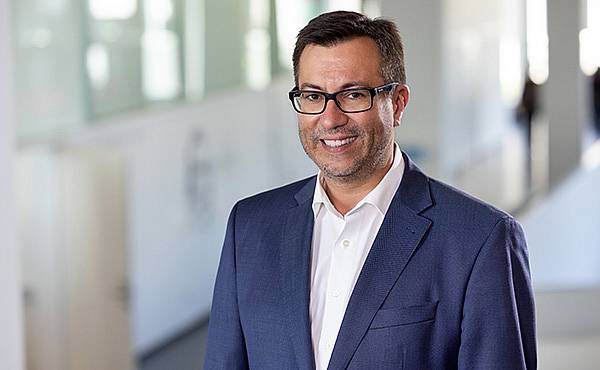
FH-Prof. Martin Maasz, MBA
Head of Degree Program
+43 1 606 68 77-4501
martin.maasz@hcw.ac.at
Frequently searched

full-time
Our life is communication. As a speech therapist you will initiate, maintain, improve or restore human communication abilities. In the degree program you will learn everything about speech disorders, speaking, the voice, swallowing and hearing and which methods you will use to treat them. The profession covers the entire spectrum of prevention, counseling, diagnosis, from therapy to rehabilitation: Your work starts with babies or young children and supports people in speaking professions or after operations or illnesses such as strokes.
Bachelor of Science in Health Studies (BSc) incl. professional qualifications
Tuition fee per semester
€ 363,361
+ ÖH contribution + costs for optional additional services, if applicable2
Application Winter semester 2027/28
15. February 2027 - 14. March 2027
40
1 Tuition fees for students from third countries € 727 per semester. Details on tuition fees can be found in the general fee regulations.
2 The costs depend on the additional services selected from the University of Applied Sciences Campus Vienna, such as work clothing, licenses, tutorials, or excursions.
You love language, the spoken word and have a good ear. You have a good voice and speak German well. In addition, you are looking for an intersection to the natural sciences. You also find medicine interesting because you can use it to help people. You like young and elderly people from all social classes and interact with them openly. You are aware that you will need special techniques and concepts to actually reach them with counseling and therapy and to support them with your expertise. You want to learn everything about language, speech, voice and hearing and the anatomical background as well as possible techniques and are physically well suited for the profession of speech therapist.
Thanks to the state-of-the-art infrastructure, you will gain valuable practical experience during your classes.
A practical learning phase abroad offers the opportunity to broaden your horizons and gain new impressions.
Numerous disciplines at one location: participate in research projects and learn from others.
Take advantage of the "FIT for a health profession?!" self-assessment test to see what a profession in health care requires and if you have the right qualities.
FIT for a health profession?! (in German only)
You need a general university entrance qualification, proven by
or a relevant professional qualification with additional examinations.
Vocational higher education entrance
You can find the entire legal regulation on the vocational higher education entrance examination act in its current version in the legal sinformation system of the Federal Chancellery of the Republic of Austria.
Limited higher education entrance qualification
Limited higher education entrance qualifications for all higher education subjects are recognized (no special compulsory subject). Limited higher education entrance qualifications without proof of the required foreign language will be recognized if the required foreign language skills are proven by an examination at a recognized training institution - preferably IELTS British Council (Graz, Vienna) or Cambridge First Certificate - at the latest at the start of the studies.
Relevant professional qualification with additional examinations
The following qualifications are defined as relevant professional qualifications:
The required language level according to the Common European Framework of Reference for Languages (CEFR) is at least
Once a study place has been offered, the following additional proof of suitability is required:
Applicants may require legalization of documents from countries other than Austria in order for them to have the evidential value of domestic public documents. Information on the required legalizations can be found here in PDF format.
For documents that are neither in German nor English, a translation by a sworn and court-certified interpreter is required. Your original documents should have all the necessary legalization stamps before translation so that the stamps are also translated. The translation must be firmly attached to the original document or a legalized copy.
As part of your online application, upload scans of your original documents including all required legalization stamps. For documents not issued in German or English, scans of the corresponding translations must also be uploaded. The head of the study program decides on the equivalence of international (higher) education qualifications. Therefore, your documents can only be checked as part of the ongoing application process.
The German "Fachhochschulreife" (German advanced technical college entrance qualification) is not formally equivalent to the Austrian general university entrance qualification. Whether access to the Bachelor's degree program is possible via a relevant professional qualification and which additional examinations must be taken for this is decided by the head of the degree program or study program after reviewing the application documents in the course of the admission procedure. In your online application in the selection field "Relevant admission requirement", please select the item “Foreign limited higher education entrance qualification”.
Your path to studying at Hochschule Campus Wien (HCW) begins with your registration on our application platform. In your online account, you can start your application directly or activate a reminder if the application phase has not yet started.
The ratio of study places to applicants in the bachelor's degree program in Logopedics is 1:5.
Proof of identity
Change of name - proof
Relevant admission requirement for the bachelor's degree program
The relevant admission requirement is a general university entrance qualification or a relevant professional qualification.
If you do not currently have a certificate, please upload your complete certificate (all pages) from the last completed school level.
German level C2 - proof of language skills
For admission, German language skills of at least level C2 of the Common European Framework of Reference for Languages (CEFR) must be provided.
The following applies as proof:
Englisch level B2 - proof of language skills
For admission, English language skills of at least level B2 of the Common European Framework of Reference for Languages (CEFR) must be provided.
The following applies as proof:
Proof of a higher language level is also valid.
Your application is valid once you have completely uploaded the required documents. If you do not have all the documents at the time of your online application, please submit them immediately upon receipt by email to the administration of your study program (see section “Contact”).
After completing your online application, you will receive an email confirmation with information on the next steps.
Once you have been accepted, you must also provide the following proof of your suitability:
The admission process includes a written online test, a practical assessment of language, speech, voice, and hearing, as well as an interview with members of the admissions committee.
Information about the written online admission test
To pass the test, you must score above zero in all three sections and receive medical confirmation from an ENT specialist that your audiogram is within the normal hearing threshold. The admission interview provides a first impression of the applicant's personal suitability. This includes professional motivation, professional understanding, performance, problem-solving skills and a capacity for careful consideration.
Points are assigned to each section of the test.
The admission committee (which comprises, among others, the head of the academic section and representatives of the teaching staff) awards places to the applicants who score highest in the tests. If necessary, further experts may be consulted. The process as a whole and all test and assessment results from the admission procedure are documented in a transparent and verifiable manner.
The entrance exam will take place online between March 26th and April 10th, 2026.
Applicants can choose the date of the exam by booking an appointment online.
The Hochschule Campus Wien is characterised by extensive expertise and a large network. Hochschule Campus Wien is the only university of applied sciences in Austria to train all seven legally regulated upper-level medical-therapeutic-diagnostic professions as well as midwifery. An important partner in the areas of education, research and development is the Vienna Healthcare Group. We also work closely with the professional association of Physio Austria and various special events are regularly held at our attractive main campus. Students benefit from the modern infrastructure of our university, this includes numerous function rooms. A highlight is the movement laboratory where force plates and cameras enable the three-dimensional analysis of movements in order to gain a better understanding of movement disorders, measurements are recorded using wireless electrodes attached to the body. Furthermore, you have the opportunity to join a professional community across disciplines. There is great potential in research projects at the interface between health and technology and practical relevance is guaranteed when we organise one of our freely accessible lecture evenings with top-class experts as part of the Campus Lectures.
This practically oriented bachelor's degree program offers extensive knowledge of disorders and their treatment methods in the areas of language, speech, voice, swallowing and hearing. You will acquire extensive therapy experience with patients during a one-week clinical internship in a hospital. During the internship you will be accompanied by professional supervision. A compulsory elective seminar also offers you the opportunity to deepen your knowledge in speech therapy areas or to acquire knowledge in adjacent areas. This includes a wide variety of fields ranging from the treatment of intubated patients in intensive care, to working with patients suffering from dementia, all the way to providing therapy to infants with mouth, eating and drinking disorders.
Those interested in international experiences and qualifications will have the opportunity to earn a certificate as a "speech therapist as a trainer" during an Erasmus-funded semester abroad at Hogeschool van Arnhem en Nijmegen, Holland (HAN). The science-based and practical case work in the form of realistic diagnostic and therapeutic settings will optimally prepare you for your future career.
In the degree program you will learn everything about speech disorders, speaking, the voice, swallowing and hearing and which methods you will use to treat them. With professional and methodical core disciplines, the bachelor's degree course in Logopedics teaches the detailed knowledge required to independently perform the complex logopedic process.
Students are able to present the positioning of the SLP profession as an academic health profession in the Austrian health care system and international comparison.
Students are able to define themselves as speech and language experts in the fields of communication, speech, speaking, voice, hearing and swallowing.
Students are able to describe the systematics of the SLP process and explain the interaction of the individual process elements.
Students are able to explain basic scientific, communicative and quality assurance aspects of speech therapy.
Students are able to link and describe acquired ICF-based SLP basic knowledge in the context of the exploration of occupational fields with observations of communication in the everyday life of heterogeneous age groups.
Students are able to present cooperative, professional communication strategies as the basis for patient-centred conversation.
Students are able to describe the basics of self-competence development for ergonomic and self-reflective action in the workplace and to demonstrate their relevance for the practice of a health professional.
Students are able to present professional, technical, legal and ethical aspects of data processing and digital applications in the context of health care.
Observations of communication behaviour of heterogeneous age groups in everyday life based on selected criteria
Personal perception in dealing with heterogeneous age groups and reflection
Students are able to link and describe basic knowledge in reference science and ICF-based SLP within the framework of the exploration of occupational fields with observations of behaviour and communication in the everyday life of heterogeneous age groups.
Students are able to communicate with people of different ages in a respectful and appreciative manner when exploring their professional fields.
Students are able to reflect on their personal approach to people of different ages.
Internship
Continuous assessment
Deutsch
Historical outline of the development of the profession
legal basis (MTD Act; FH Training Regulation) - and its consequences for studies and profession (professional duties, professional rights)
Job description (fields of activity);
Code of Ethics incl. diversity-related principles;
patient rights patient advocacy
Other relevant legal bases (FH Training Regulation; Austria. Quality Act (ÖQG); Health Professions Register Act (GRG); Basic Data Protection Regulation (DSGVO) ...)
Classification of the profession in the context of health professions - relevant other health professions (interdisciplinarity- health care professions)
National and international associations/representations
Basics of the Austrian health care system (actors, financing...)
Basics of the SDGs and their significance for speech and language therapy
Professionally relevant technical terms
Students are able to describe the profession of a speech therapist* in the health care system as a health care profession both nationally and internationally.
Students are able to present the rights and duties derived from the relevant legal foundations.
Students are able to describe ethical, diversity-related aspects of speech therapy as well as the essential points of view of the patient's perspective.
Students are able to present professional, technical, legal and ethical aspects of data processing and digital applications in the context of health care.
performing
working out
Online Teaching
Final exam: Written final exam;
Deutsch
Students are able to name the principles of movement theory in the correct professional terminology and to relate them to SLP questions and processes.
Students are able to assess postures and movements relevant to SLP according to structured criteria.
Students are able to describe the basics of developing self-competence for ergonomic behaviour in the profession and to demonstrate their relevance for the exercise of their profession as speech therapists.
Presenting and elaborating
Continuous assessment: Theoretical-practical
Deutsch
Basic models of oral communication
Cooperative appreciative therapeutic attitude and dialogical principle
Partner reference and perspective-acceptance
Non-directive, communication-promoting conversation through active listening
Resource orientation, solution orientation and constructive feedback in therapeutic discussions
Motivating interaction
Symmetry in the relationship, even with complementary roles
Basic principles of efficient, non-violent negotiation and participative decision-making
Cooperative communication as a quality assurance element of speech therapy
Students are able to explain basic communicative aspects of SLP.
Students are able to define cooperative, professional communication strategies as the basis for patient-centered communication.
The students are able to present cooperative communication and conversation as quality assuring elements of SLP
Presenting, elaborating, exploring
Continuous assessment: Theoretical-practical
service recording in partial services (50% / 50%)
Deutsch
Students are able to define themselves as a logopaedic expert in the fields of communication, speech, speaking, voice, hearing and swallowing.
The students are able to demonstrate the importance of the logopaedic profession as an academic health profession in the Austrian health care system.
The students are able to describe the systematics and the working steps of the diagnostic-logopedic process, to discuss evidence-based and ICF-oriented diagnostic findings, therapy planning, therapy implementation and documentation and to explain the interaction of the individual process elements.
The students are able to present the elements of the logopaedic decision-making process.
The students are able to name aspects of qualitiy assurance in the SLP process.
The students are able to explain the importance of adopting a perspective, patient-centred cooperative communication and participatory decision-making with the help of practical experience using the example of a precise logopaedic intervention process.
Presenting and elaborating and exploring
Continuous assessment: Theoretical-practical
performance recording in partial performances (25%/ 25%/ 25%/ 25%)
Deutsch
Students are able to define the form of counselling supervision and to distinguish its methodological possibilities and limits from counselling intervision, coaching and mediation.
Students are able to name tasks, fields of application and legal claims regarding supervision and other forms of counselling in the context of the health care system.
Students are able to describe the basics of developing self-competence for self-reflective action and to transfer their relevance to the logopaedic context.
Presenting and elaborating
Final exam: Theoretical
final test
Deutsch
Students are able to explain basic scientific terms in their relevance for logopaedic action.
Students are able to research scientific literature relevant to speech therapy in databases, to cite and reference it correctly.
Students are able to analyse trains of thought from different sources and to argue scientifically in writing.
Presenting and elaborating
Continuous assessment: Written work orders
Deutsch
Students are able to present acoustic-physical and psychoacoustic basics, phonetic-phonological and linguistic basics as well as basics in general psychology and developmental psychology.
Students are able to demonstrate the connection between the basics of reference science and the logopaedic professional field.
Students are able to describe analytical and descriptive procedures from the reference sciences and to explain their possible applications in a logopaedic context.
Students are able to use their special knowledge from the field of reference sciences to describe pathologies, impairments and their consequences for logopaedic action.
Terminology and definition of sound, sound pressure, period of oscillation, frequency, wavelength, sound propagation, sound velocity
Stimulus distribution, peripheral and central auditory processing
Hearing field
Psychoacoustic parameters: loudness, pitch perception, masking effects, beating, roughness, directional hearing, sound source localization, hearing threshold, auditory perception, perception of sound intensity, adaptation, superposition
Sound field magnitudes
Programs for signal processing
Students are able to explain acoustic-physical and psychoacoustic basics.
Students are able to demonstrate the relationship between the acoustic-physical basics and psychoacoustics and speech therapy science.
Presenting
Final exam: Final oral examination
Deutsch
- Subject of psychology and developmental psychology
- professional groups and training (psychology, psychiatry, psychotherapy)
- perception, learning, thinking, memory, intelligence, emotion, motivation, social Interaction, game
- images of people and personality models
- Social psychology
- development theories and areas
- phases of human development and their meaning: pregnancy, birth, first year of life, infancy, school age, adolescence, adulthood, age(s), death and dying
- developmental measures, educational issues
- developmental psychological characteristics in selected areas
- Physical and mental disability and its effect on mental development -
- gerontopsychology
Students are able to name objectives and areas of psychology in contrast to other professional groups.
Students are able to describe psychological and developmental psychological basics.
Students are able to illustrate developmental psychological aspects of all phases of human development.
Students are able to discuss (developmental) psychological knowledge as a necessary component of logopaedic action.
Presenting, elaborating
Continuous assessment: Oral examination, cooperation
Deutsch
Linguistics: Tasks and fields of application
The concept of language: Language as a cultural carrier, high level language, colloquial language, dialect etc.
Subject and areas of phonetics and phonology, introduction to the international phonetic alphabet IPA, transcription, phonological processes, insight into sounds and phonological processes of other languages
Topic and types of grammar
Subject matter and areas of morphology, morpheme analysis, inflection, word formation, word type classification, lexical morphology
Object and areas of syntax, traditional syntax, phrase structure grammar, valence grammar, generative syntax
Object and area of semantics, sign models, semantic relations, semantic analysis, cognitive semantics
Object and area of pragmatics, speech act theory, text analysis, conversation analysis
Students are able to name tasks and fields of application of linguistics.
Students are able to recognise linguistics as the basis for speech therapy science.
Students are able to describe linguistic basics.
Students are able to illustrate knowledge of the international phonetic alphabet IPA.
Presenting, elaborating
Final exam: in writing
Deutsch
Students are able to define themselves as SLP experts in the fields of communication, speech, language, speaking and voice.
Students are able to demonstrate their medical and clinical knowledge of the development and impairments in the core areas of speech, language and voice to explain pathologies and their consequences.
Based on the acquired logopaedic knowledge, students are able to distinguish normative functions from pathogenic functions relevant to the core areas of communication, speech, language and voice and to establish causal relationships.
The students are able to recognise the processes that influence the health and well-being of speech therapists and to take appropriate preventive and problem-solving measures.
Mental health and stress management measures
The students are able to deal with the topic of mental hygiene and stress management in a personal, critical-reflective and discursive way.
Presenting, explorative
Continuous assessment: Participation (100% attendance; active cooperation)
Deutsch
Basics of economic voice use and economic speaking using the example of breath rhythmically adjusted phonation (Coblenzer / Muhar)
Voice function circuit (Haupt)
Use of own speaking and singing voice
Warm up
Song and lyrics interpretation
Giving feedback
Reflection of own voice use
Students are able to explain criteria for economic singing and speaking.
Students are able to demonstrate criteria for economic singing and speaking.
Students are able to modify their own use of the speaking and singing voice in terms of vocal economy and expression.
Presenting, elaborating
Continuous assessment: Participation (50%)
Final presentation (50%)
Deutsch
Subject-specific terminology of the process of voice production
Phylogenesis and ontogenesis of the development of the human voice
Perception and expression of the voice
Encoding and decoding processes in communication regarding the role of the voice
Communicative and emotional aspects of voice
Historical overview of milestones in the development of voice pedagogy, phoniatrics and voice therapy relevant to speech therapy
Research landscape in the field of voice
Students are able to explain different aspects of the voice phenomenon.
Students are able to explain anatomical and functional correlations of voice formation using voice therapy terminology.
Students are able to describe phases of voice development as a prerequisite for the diagnostic assessment of voice disorders.
Presenting, elaborating
Final exam: written final exam (100%)
Deutsch
Students are able to describe milestones and boundary stones of a typical speech and language development as a prerequisite for a SLP diagnosis in this field.
Students are able to describe language and speech development as part of the general developmental process, based on previously acquired reference-scientific knowledge.
Students are able to present the classification of components of health (body function, body structures, activity and participation, environmental factors) according to the ICF-CY in the field of language and speech development.
Students are able to discuss possible deviations based on the prerequisites for and factors influencing a typical language and speech development.
Students are able to present bi- or multilingualism as challenge for the SLP process with bi- or multilingual children.
Students are able to name types of diagnostic findings for a SLP diagnosis.
presenting, elaborating, explorative
Final exam: Written examination
Deutsch
Students are able to recognise and describe the structure and system of the human organism and to explain its communication-specific characteristics.
Students are able to recognise and describe the functions and physiological processes of the human organism and to explain its communication-specific relationships.
Students are able to name and explain pathological processes as origin and development of diseases.
Students are able to understand the professionally relevant hygiene measures derived from basic medical knowledge and to integrate them into their professional understanding as health professionals.
Based on the acquired medical knowledge, students are able to differentiate regular functions from pathogenic functions relevant to the core areas of communication, speech, speaking, voice, hearing and swallowing and to establish correlations.
General Anatomy:
Special Anatomy
Students are able to name structures of the human organism in professional terms.
Students are able to describe the basic system of the human organism.
Students are able to name structures and system of those organs which are needed for food intake, speech processing and speech production and to describe their function in a basic way.
Predominantly presenting, supplementing.
Final exam: Written theoretical final examination
Deutsch
Students are able to present the physiological basics of the function of the human body.
Students are able to describe the basic physiological processes and functions of the human brain.
Students are able to explain the basic physiological processes involved in the production and processing of language and in food intake.
Predominantly presenting, supplementing.
Final exam: Written exam, 60 minutes processing time, mixed free written answers, calculations, and multiple choice test questions as practiced in the lecture (also using "team based learning") and online (moodle tests = "distance learning").
Deutsch
Pathology
Applied hygiene
Students are able to name the objectives and methods of pathology.
Students are able to describe the basic course of pathological diseases.
Students are able to discuss basic special medical knowledge in the field of hygiene.
Students are able to present hygienic measures and their use that are relevant to their profession.
Predominantly presenting, supplementing.
Final exam: Final written theoretical examination (multiple choice MC and short answers KAF)
Deutsch
Sudents are able to present pedagogical, didactical and rhythmic basics, as well as curative and special education basics.
Students are able to explain the basic related scientific knowledge from the fields of psychology and linguistics.
Students are able to demonstrate the connection between the basics of related sciences and extended special knowledge in the field of SLP.
Students are able to describe analytical, descriptive and applied procedures from related sciences and to explain their possible implementations in a SLP context.
Based on the acquired knowledge in related sciences, students are able to differentiate between regular and pathogenic functions relevant to the core areas of communication, speech, language, speaking, voice, hearing, and swallowing and to establish correlations.
Students are able to use their professional knowledge from the field of related sciences to describe pathologies, impairments and their consequences for SLP action.
Students are able to describe the basics of clinical psychology and health psychology based on the knowledge of general psychology.
Students are able to illustrate clinical psychology and health psychology as related science to the science of SLP.
Students are able to describe selected clinical-psychological diagnostic procedures and discuss their relevance for SLP action.
Students are able to illustrate the connection between clinical psychology, health psychology and SLP by means of selected psychological disorders.
performing, elaborating
Continuous assessment: Cooperation, preparation of certain topics, oral examination
Deutsch
Subject of pedagogy
Conception of man in pedagogy
Educational styles
Learning and learning theories
Definition of the concept of didactics
Didactic models and principles
Relevance of defined learning outcomes
tudents are able to present basic concepts and principles of pedagogy and didactics.
Students are able to compare didactic models.
Students are able to illustrate didactic principles as a basis for therapeutic action.
performing, elaborating
Final exam: Final written or oral examination
Deutsch
Subject of psycholinguistics
Scientific findings of psycholinguistics on inconspicuous and conspicuous language acquisition
Monolingual and bi-/multilingual language acquisition in comparison
Speech acquisition theories
Development of linguistic and non-linguistic cognitive abilities in comparison
Insight into model theoretical considerations on language processing
Students are able to explain the subject of psycholinguistics and its relation to the science of speech therapy, building on the basics of linguistics.
Students are able to describe the unobtrusive and the conspicuous acquisition of one or more languages on the basis of current scientific findings in psycholinguistics, based on the theories of language acquisition.
Students are able to compare models describing language processing.
Presenting
Final exam: Written final inspection
Deutsch
Basics of rhythmics/music-movement pedagogy: Learning areas and means of rhythmics, rhythmic principle
Application of rhythmic-musical elements in SLP
Examples for lesson plans in speech therapy prepared with rhythmic-musical means and application of the rhythmic principle
Cross-connections
Movement control and movement therapy
Exercises to connect music-movement-language-voice-exercises for creativity and improvisation
Rhythm work
Exercises for communication and interaction
Self experience and reflection
Students are able to present the contents and working methods of rhythmics and rhythmic/musical education.
Students are able to describe the connections between music, movement, language and voice.
Students are able to demonstrate selected exercises for specific disorders that are relevant to SLP.
Presenting, explorative
Continuous assessment: work orders
cooperation
Deutsch
Students are able to describe the basics of pathologies and pathomechanisms of the human organism relevant to SLP from the disciplines of ENT medicine, orthodontics and odontology, pediatrics and phoniatrics.
Students are able to present the medical basics of lSLP treatment from the disciplines of ENT medicine, orthodontics and odontology, paediatrics and phoniatrics.
Students are able to name and explain pathological processes of the origin and development of diseases and to explain their treatment options.
Students are able to name selected diagnostic methods of the respective medical disciplines, to explain specialist medical questions and diagnoses and to present the results of specialist medical diagnostics in relation to SLP.
Based on the acquired medical knowledge, students are able to differentiate regular from pathogenic functions relevant to the core areas of communication, speech, speaking, voice, hearing and swallowing and to establish correlations.
Students are able to describe the interfaces between SP and special medical disciplines.
Students are able to describe the ENT education and the ENT objectives as well as the cooperation in an inter-professional context.
Students are able to describe clinical pictures of the objectives of ENT relevant to the SLP objectives, functional effects and effects on the everyday participation of the same, as well as possible ENT treatment measures.
Students are able to explain the ENT history, the ENT status and selected diagnostic procedures in the field of ENT.
Students are able to describe ENT interventions relevant to the SLP field of activity and their functional and everyday effects.
Students are able to carry out professionally selected procedures of vestibular diagnostics considering the hygienic guidelines.
Presenting, elaborating;
Final exam: final written examination
Deutsch
Students are able to name objectives in the field of paediatrics as well as interfaces to other relevant fields - especially SLP.
Students are able to describe the physiological course of pre- and postnatal child development in an overview.
The students are able to explain models and examination procedures for the assessment of child development, including the preventive examinations in pregnancy and childhood that are mandatory or common in Austria.
Students are able to present selected pre-, peri- and postnatal diseases relevant to speech and language as well as developmental abnormalities in children and adolescents based on genesis and symptoms.
Students are able to reflect current vaccination recommendations as well as risks associated with vaccinations.
Presenting, elaborating;
Final exam: Written theoretical final examination
Deutsch
Students are able to name objectives in the field of phoniatrics as well as interfaces to other relevant professional groups and medical disciplines.
Students are able to describe in detail the anatomical structures and functions of the vocal, speech and respiratory organs as well as other structures relevant to voice function.
Students are able to differentiate functional, organic and psychogenic voice disorders based on their genesis and symptoms.
Students are able to explain instrumental diagnostic procedures for the assessment of the vocal, speech and respiratory organs.
Students are able to describe phoniatric criteria of physiological and pathological voice function.
Students are able to describe conservative therapeutic measures in case of impaired voice function.
Students are able to describe phonosurgical interventions and their functional effects on voice function.
Presenting, elaborating;
Final exam: final written exam
Deutsch
Students are able to name objectives in the field of dentistry, oral and maxillofacial medicine and relevant related disciplines.
Students are able to describe the development and structure of the organic structures of the stomatognathic system and the function of these structures.
Students are able to discuss pathologies of dental occlusion, temporomandibular joint function, chewing, parodontium and selected diseases in the field of dentistry, oral and maxillofacial medicine including their functional effects.
Students are able to assess pathologies of dental occlusion, temporomandibular joint function and chewing using medical history and diagnostic procedures in order to be able to refer patients to specialized departments if necessary.
Students are able to relate pathologies of dental occlusion, temporomandibular joint function, chewing, parodontium and selected diseases in the field of dentistry to symptoms in the field of SLP.
Students are able to explain conservative and surgical treatment measures for selected diseases in the field of dentistry, oral and maxillofacial medicine, as well as preventive measures of oral hygiene and caries prophylaxis.
Presenting, elaborating, exploring;
Final exam: Written theoretical final examination
Deutsch
Students are able to explain the phases and objectives of the SLP process in developmental disorders in the core areas of speech and language and in the consecutive skills of reading, writing and arithmetic.
Students are able to identify, describe and explain development-related symptoms and problems relevant to the core areas of language and speech by combining clinical and related scientific knowledge with SLP expertise.
Students are able to select and perform professionally specific examination procedures indicated by hypothesis-guided procedures and to record relevant diagnoses from them.
Students are able to select and apply indicated treatment methods on the basis of recorded diagnoses in a patient-centred manner.
Students are able to select and use apparative, instrumental and digital methods and applications that support the diagnosis and treatment process.
Students are able to plan, exemplarily perform and analyse the phases of the SLP process in developmental speech and language disorders based on evidence and ICF, culturally adapted to situational requirements.
Students are able to use their knowledge and clinical reasoning skills to discuss professional, evidence-based and ICF-oriented decisions in the context of the speech and language process in developmental speech disorders.
Terminology, etiology, symptoms, classification of pronunciation disorders including childhood apraxia of speech (CASP)
guidelines for disorders, diagnostics, therapy
Diagnostics - components, possibilities
Analysis of diagnostic possibilities taking into account bi- and multilingualism
Analysis and comparison of phonetically and phonologically oriented therapy approaches, taking into account bi- and multilingualism
possibilities of group therapy
analysis and comparison of therapeutic concepts for CASP
analysis of therapy-supporting materials including digital possibilities
Interdisciplinary cooperation in the context of diagnostic findings and therapy
ICF-CY oriented exemplary therapy planning (participation, activity, functional and contextual goals formulate, operationalize, methodical-didactical preparation)
Students are able to name terminology, aetiology, symptoms and classification of functional pronunciation disorders including childhood speech apraxia.
Students are able to evaluate selected pronunciation tests for mono- or bilingual children using internationally described construction criteria for a test procedure to examine pronunciation ability.
Students are able to explain the scientific background and structure of current therapeutic concepts for pronunciation disorders and childhood speech apraxia.
Students are able to analyse selected therapy material with regard to its applicability in the course of the SLP process for pronunciation disorders and childhood speech apraxia.
Students are able to plan the SLP process in phonetic-phonological pronunciation disorders and childhood speech apraxia in an ICF-CY-oriented, culturally sensitive and exemplary manner, using related-scientific principles.
Presenting, elaborating, exploring
Continuous assessment: written partial exam
preparation of case studies
Deutsch
Students are able to explain the phases and objectives of the SLP process in the core area of swallowing (disorders of the respiratory, sucking, chewing, swallowing and food intake functions).
Students are able to identify, describe and explain symptoms and problems relevant to the core area of swallowing by combining clinical and related scientific knowledge with SLP expertise.
Students are able to record relevant diagnoses through hypothesis-guided procedures in the selection and use of indicated profession-specific examination procedures.
Students are able to select indicated treatment methods on the basis of derived diagnoses in a patient-centered manner and to apply them competently.
Students are able to select and use appliances, instrumental and digital methods and applications that support the diagnosis and treatment process.
Students are able to plan, exemplarily carry out and analyse the phases of the SLP process in the area of swallowing based on evidence and ICF and adapted culturally sensitive to situational requirements.
Students are able to use knowledge relevant to SLP and clinical reasoning skills to discuss professional, evidence-based and ICF-oriented decisions in the context of the SLP process in swallowing disorders.
Students are able to theoretically present and compare approaches and phases of ICF-oriented rehabilitation processes and to explain and justify the relation to the SLP process.
Students are able to compare, allocate and interpret the results of all phases of the SLP process in the areas of speech, speaking, voice, swallowing and listening to the approaches of ICF-oriented rehabilitation processes theoretically and based on case analyses.
Students are able to identify inter- and multi-professional measures required in the SLP process in rehabilitation and to integrate them into a case analysis as well as to prepare basic evaluation and final reports.
Students are able to give professional advice to patients, caregivers and relatives with regard to everyday management.
Presenting, elaborating
Final exam: Final written or oral examination
Deutsch
Students are able to recognize the functions of the orofacial area, to classify them using SLP specific clinical diagnostic tools and to record a SLP diagnosis out of them.
On the basis of a previously established SLP diagnosis, students are able to independently plan all necessary steps of the SLP process in orofacial dysfunctions and to carry them out competently.
Students are able to select and use digital and instrumental procedures that support the diagnosis and treatment process and to recognize, organize and implement necessary interprofessional measures.
Students are able to analyse, assess and discuss their evidence-based and ICF-oriented decisions in the context of the SLP process in orofacial dysfunction.
Students are able to advise caregivers and relatives professionally and to instruct them in patient-centered support and the implementation of the therapy contents.
Presenting, elaborating, exploring
Continuous assessment: 1. Partial achievement: Submission of a completed assessment form (exam points) - submission in the Moodle folder is a prerequisite for completing the course
2. Partial performance: Demonstration of a practical therapeutic measure during the exercise blocks (exam points) - implementation is a prerequisite for completing the course
3. Partial achievement: written preparation of a case study in attendance (exam points)
Final exam grade: all points of the 3 parts will be put together
Deutsch
Students are able to explain the phases and objectives of the SLP process in the core area of voice.
Students are able to identify, describe and explain symptoms and problems of the multifactorial aetiology of voice disorders by combining medical and related scientific knowledge with SLP expertise relevant to the core area of voice.
Students are able to select and apply indicated profession-specific examination procedures and record relevant diagnoses using a hypothesis-guided approach.
Students are able to interpret the diagnostic results with special regard to voice-relevant everyday participation using structured criteria.
Students are able to select and use apparative, instrumental and digital methods and applications that support the diagnosis and treatment process.
Students are able to select indicated and complex voice therapy interventions based on recorded diagnoses and are able to use them patient-centered and with competence in their implementation.
Students are able to plan, exemplarily carry out and analyse the phases of the SLP process in the field of voice evidence- and ICF-based and culturally sensitively adapted to situational requirements.
Students are able to use knowledge relevant to SLP and clinical reasoning competence to discuss and justify professional, evidence-based and ICF-oriented decisions in the context of the SLP process in voice disorders, voice rehabilitation and voice-related issues (e.g. voice transition).
Theory focus:
Practice focus:
Students are able to interpret functional voice disorders in terms of their multifactorial etiology and their participation-related interactions using structured criteria and to formulate these interactions in a patient-centered and scientifically correct manner.
Students are able to plan, perform and reflect on the SLP process in functional voice disorders based on currently accepted scientifically relevant voice therapy models.
Students are able to carry out and reflect on complex voice therapy interventions based on currently accepted scientifically relevant voice therapy models.
Students are able to plan, carry out and reflect on exemplary preventive vocal interventions and vocal hygiene consultations on the basis of currently accepted scientifically relevant voice therapy models.
Presenting, elaborating, exploring
Continuous assessment: 2 partial exams:
1. oral practical (40%)
2. written theoretical (60%)
Deutsch
Students are able to reflect their current state of knowledge about the SLP process in the real professional field.
By working on special tasks in the process module "Diagnostics", students are able to demonstrate their ability to transfer theoretical knowledge into practice.
Students are able to research current knowledge on practice-relevant issues in international databases and to critically evaluate the results with regard to the evidence hierarchy.
Students are able to communicate with individuals in a respectful and appreciative manner in a SLP context.
Students are able to identify and analyse potential for conflict and escalation.
Students are able to recognise the processes that influence the health and well-being of speech therapists and to take appropriate preventive and problem-solving measures.
Students are able to name aspects of a successful therapeutic working relationship.
Conflict management and de-escalation techniques
Students are able to deal with the topic of conflict and escalation personally, critically-reflexively and discursively.
Presenting, explorative
Module exam
Deutsch
Students are able to research current knowledge on practice-relevant issues in international databases.
Students are able to cite criteria of the evidence hierarchy in connection with studies relevant to speech and language disorders.
Students are able to read scientific articles critically and to classify them in the context of the exploration of occupational fields.
Students are able to present the methodological structure of a literature review.
Developing and presenting
Continuous assessment: Written work orders
Deutsch
Observation in the real professional field
Introduction to the independent implementation of the SLP process under guidance and supervision in cases of pronunciation disorders, functional voice disorders or orofacial dysfunctions.
Students are able to present their current state of knowledge about the course of a SLP process in the real professional field, no matter the disorder.
In the course of the internship, the students are able to carry out partial steps of the SLP process on actual patients with selected disorders under the guidance and supervision of internship instructors.
Students are able to communicate with individuals in a respectful and appreciative manner in a real professional environment.
Supervised internship
Module exam
Deutsch
Reflection Presentation vs. reality of the practical implementation of SLP process modules
Reflection Presentation vs. reality of the trainee*internal role
Role play for cooperative communication and conversation
Students are able to reflect the current state of knowledge about the course of a SLP process.
Students are able to reflect on the role of the intern as an introduction to independent therapeutic action.
Students are able to demonstrate the practical application of the acquired basic knowledge on cooperative communication and conversation in selected practice-oriented situations.
elaborating, exploratory
Module exam
Deutsch
Diagnostics process module:
Requirements for speech diagnostics as a professional knowledge and decision-making process
ICF-CY-oriented assessment using selected case studies
Analysis/evaluation of tests already performed
Optional testing of tests on subjects* including evaluation
Assessing the need for treatment, deriving therapy priorities as a result of the test evaluations from the aspect of diagnostic reasoning (diagnosis, prognosis, treatment)
By working on special tasks in the field of speech and language therapy for children, students are able to demonstrate their ability to transfer theoretical knowledge from the process module "diagnostics" into practice.
explorative
Module exam
Deutsch
Sudents are able to present pedagogical, didactical and rhythmic basics, as well as curative and special education basics.
Students are able to explain the basic related scientific knowledge from the fields of psychology and linguistics.
Students are able to demonstrate the connection between the basics of related sciences and extended special knowledge in the field of SLP.
Students are able to describe analytical, descriptive and applied procedures from related sciences and to explain their possible implementations in a SLP context.
Based on the acquired knowledge in related sciences, students are able to differentiate between regular and pathogenic functions relevant to the core areas of communication, speech, language, speaking, voice, hearing, and swallowing and to establish correlations.
Students are able to use their professional knowledge from the field of related sciences to describe pathologies, impairments and their consequences for SLP action.
Education and training of disabled, disadvantaged and marginalised people
Education and lifelong learning
Inclusive and special needs education
Themes, tasks and issues of inclusive education/special needs education with special attention to interdisciplinary cooperation
Integration and inclusion
Students are able to reflect the essential objectives of the education and training of disabled, disadvantaged and marginalised people.
Students are able to explain the concepts of education and lifelong learning.
Students are able to describe the tasks of inclusive education/special education considering interdisciplinary cooperation.
Students are able to specify the concepts of integration and inclusion using examples.
Students are able to describe support and educational offers for disabled people.
Students are able to explain and describe different training options and school and out-of-school support systems in the inclusive/special education field.
Presenting, elaborating and exploring
Continuous assessment: Orally and/or in writing
Deutsch
Introduction to the theoretical approaches and research topics of patho- and neurolinguistics
Connection of language processing and the underlying neuronal structure, neuronal representation of language
Neurologically induced speech disorders and their linguistic analysis
Neurologically conditioned deviations in language development
Linguistic analysis of language ability in selected syndromes
history of aphasiology
Building on the buildings of linguistics and psycholinguistics, students are able to explain the subject of neuro- and patholinguistics and its relation to SLP science.
Students are able to present criteria for a survey of language developmental abnormalities using selcted methods based on linguistic evidence.
Students are able to present criteria for an analysis of neurologically caused speech disorders using selected procedures based on lingutistic evidence.
Presenting
Final exam: Written exam
Deutsch
Organization and localization of neuropsychological skills
SLP-relevant neuropsychological disorders such as memory and attention disorders,
disorders of visual perception, spatial perception and spatial thinking (agnosia, neglect, apraxia,...),
disorders of disease insight (anosognosy, anosodiaphoria),
disorders of executive functions,
disorders of number processing and numerical abilities (acalculia)
Neuropsychological diagnostics and differential diagnosis
Neuropsychological rehabilitation
Students are able to describe the tasks of neuropsychology.
Students are able to recognize and assign neuropsychological syndromes based on characteristic symptoms and lesion patterns.
Students are able to present neuropsychological diagnostics or differential diagnostics.
Students are able to describe focal points of neuropsychological rehabilitation in an interdisciplinary team.
Presenting and elaborating
Final exam: Written examination
Deutsch
Students are able to explain the basics of specialized medicine from the disciplines of psychiatry, neurology, neurosurgery and neurorehabilitation and extended specialized medical knowledge from phoniatrics in relation to SLP.
Students are able to name selected diagnostic methods of the respective medical disciplines.
Students are able to interpret the results of specialized medical diagnostics.
Students are able to assign specialized medical questions and diagnoses to SLP topics.
Students are able to use their medical-clinical knowledge of the development and impairments in the core areas of speech, language, speaking, voice, hearing and swallowing to describe pathologies and their consequences in complex problems.
Based on the acquired medical knowledge, students are able to differentiate regular functions from pathogenic functions relevant to the core areas of communication, speech, language, speaking, voice, hearing and swallowing and to derive causal relationships.
Neurorehabilitation
Students are able to describe neurological, neurosurgical and neurorehabilitative specialized medical basics and to explain them in relation to SLP action.
Students are able to define centrally conditioned disorders of breathing, voice, speech and language based on genesis and symptoms.
Students are able to describe selected neurological diseases on the basis of their genesis and symptoms.
Students are able to explain the examination including diagnostic procedures in the context of selected neurological diseases.
Students are able to describe conservative and neurosurgical treatment measures for selected neurological diseases.
Based on the acquired neurological, neurosurgical and neurorehabilitative knowledge, students are able to differentiate relevant regular functions from pathogenic functions in the core areas of speech, voice, speaking, swallowing and hearing.
Students are able to interpret the results of the examination in relation to logopaedic action and logopaedic questions.
Presenting
Final exam: Final written or oral examination
Deutsch
Students are able to define facial nerve palsies on the basis of their genesis and symptoms.
Students are able to explain the physiological act of swallowing over the life span in detail .
Students are able to differentiate between different forms of dysphagia, considering tracheostoma systems, on the basis of their genesis and symptoms, and to describe the respective characteristics of the individual swallowing phases.
Students are able to explain and interpret the phoniatric anamnesis and diagnostic procedures in the context of the assessment of dysphagia and facial palsy.
Students are able to describe conservative, surgical and phonosurgical measures for the treatment of swallowing disorders and facial nerve palsy.
Presenting
Final exam: Oral or written final examination
Deutsch
Students are able to describe selected psychiatric illnesses of any age on the basis of their genesis and symptoms and to explain them in relation to logopaedic action.
Based on the acquired psychiatric knowledge, students are able to differentiate relevant regular functions from pathogenic functions in the core areas of speech, voice, speaking, swallowing and hearing.
Students are able to present the psychiatric assessment including selected psychiatric diagnostic methods.
Students are able to interpret the results of the examination in relation to logopaedic action and logopaedic questions.
Presenting
Final exam: Final written or oral examination
Deutsch
Students are able to explain the phases and objectives of the SLP process in developmental disorders in the core areas of speech and language and in the consecutive skills of reading, writing and arithmetic.
Students are able to identify, describe and explain development-related symptoms and problems relevant to the core areas of language and speech by combining clinical and related scientific knowledge with SLP expertise.
Students are able to select and perform professionally specific examination procedures indicated by hypothesis-guided procedures and to record relevant diagnoses from them.
Students are able to select and apply indicated treatment methods on the basis of recorded diagnoses in a patient-centred manner.
Students are able to select and use apparative, instrumental and digital methods and applications that support the diagnosis and treatment process.
Students are able to plan, exemplarily perform and analyse the phases of the SLP process in developmental speech and language disorders based on evidence and ICF, culturally adapted to situational requirements.
Students are able to use their knowledge and clinical reasoning skills to discuss professional, evidence-based and ICF-oriented decisions in the context of the speech and language process in developmental speech disorders.
Etiology, symptomatology and possible effects of early language acquisition disorders
Terminology, etiology, symptomatology and possible effects of disorders of language development at lexical-semantic, morphological-syntactic level, taking into account the interfaces of the linguistic levels.
Preventive measures
Guidelines for disorders, diagnostics, therapy
Findings - components, possibilities
Analysis of diagnostic possibilities under consideration of bilingualism and multilingualism
Definition of language abilities - SLP therapy with special consideration of bi- and multilingualism
Analysis and comparison of selected therapeutic concepts
Analysis of therapy-supporting materials including digital possibilities
ICF-CY-oriented exemplary therapy planning (formulating and operationalizing participation, activity, functional and contextual goals, methodical-didactical preparation)
Possibilities of parental work under consideration of a migration-sensitive approach
Interdisciplinary cooperation in the context of diagnosis and therapy
Students are able to name the aetiology, symptomatology and possible effects of early language acquisition disorders and disorders of language development on a lexical-semantic, morphological-syntactic level.
Students are able to analyse selected diagnostic materials, considering monolingual and multilingualism, using given criteria.
Students are able to explain the scientific background and structure of current therapy concepts for early language acquisition disorders and language development disorders.
Students are able to analyse selected therapy material with regard to its practical relevance in the course of the SLP process in speech development disorders.
Students are able to plan and evaluate the SLP process in early language acquisition disorders and language development disorders on the basis of case vignettes in an ICF-CY-oriented, culturally sensitive manner using related scientific principles.
Presenting, elaborating, exploring
Continuous assessment: Written part performance, case study, analysis of diagnostic possibilities and therapy material
Deutsch
Scientific basics of dyslexia research with special consideration of the SLPfield of action,
appearance and essential risk factors for the development of reading and writing disorders
Evidence-based diagnostics and SLP relevant therapeutic approaches
Significance of interdisciplinary cooperation
Guidelines of the DGKJP on reading, writing, arithmetic
Basics of dyscalculia
Students are able to explain the phases and objectives of the SLP process of reading, writing and arithmetic disorders.
Students are able to identify risk factors in the acquisition of reading and writing and to describe the appearance of reading and writing disorders by combining specialist knowledge from the field of language development and language development disorders with the scientific principles of dyslexia research.
Students are able to plan the therapeutic process of disorders of reading, writing and arithmetic, considering SLP-specific examination procedures and evidence-based therapeutic approaches.
Students are able to compare the objecives of the professional groups in the interdisciplinary team for the diagnosis and therapy of disorders in reading, writing and arithmetic.
Presenting, elaborating, exploring
Continuous assessment: Analysis of video examples, case studies, analysis of diagnostic possibilities
Deutsch
Students are able to explain the phases and objectives of the SLP process in the core area of hearing (hearing disorders and their effects on speech and language function).
Students are able to identify, describe and explain symptoms and problems relevant to the core area of hearing by combining clinical and related scientific knowledge with SLP expertise.
Students are able to record relevant diagnoses through hypothesis-guided procedures in the selection and use of indicated profession-specific examination procedures.
Students are able to select the indicated treatment methods based on derived diagnoses and to apply them competently.
Students are able to select and use appliances, instruments and digital methods and applications that support the diagnosis and treatment process and to check their results for correlation and plausibility.
Students are able to plan, exemplarily carry out and analyse the phases of the SLP process in the field of hearing in an evidence- and ICF-based, culturally sensitive manner adapted to situational requirements.
Students are able to use knowledge relevant to SLP and clinical reasoning skills to discuss professional, evidence-based and ICF-oriented decisions in the context of the speech therapy process for hearing impairment.
Students are able to document the SLP process for hearing disorders according to international standards both manually and electronically.
Students are able to explain relevant aspects of diagnostics and care in connection with systems and implants to improve hearing for adults and children and to present them in an understandable way in the context of counselling interviews.
Based on physiological principles, students are able to explain pathological changes and their causes in hearing, as well as possible associated diagnoses.
Students are able to explain the indications and purpose of subjective and objective audiometric procedures.
Students are able to assess the conditions for audiometric test procedures (compliance with standards within the audiometric setting, otoscopic findings and other relevant elements of the ENT status).
Students are able to demonstrate the functioning of audiometric devices and test systems in a comprehensible way.
Students are able to prepare the examination setting including the necessary hardware and software settings for subjective and objective audiometric procedures.
Students are able to explain the purpose of the audiometric examination, the examination process itself as well as the necessary cooperation of the patient in simple and understandable terms.
Students are able to perform subjective and objective audiometric procedures in a professional, patient-centered and culturally sensitive manner, while adhering to hygienic guidelines.
Students are able to solve technical problems largely independently, drawing on knowledge of how devices and test systems work, or to request technical support if necessary.
Students are able to critically check the plausibility of their measurement results based on the available preliminary information (anamnesis, ENT status, additional findings).
Students are able to correctly document the examination results of audiometric procedures both manually and electronically, considering internationally standardised labelling.
The students are able to interpret the present examination results in the context of simple case studies, taking into account the patient's medical history, ENT status and additional findings.
Presenting, elaborating;
Final exam: Oral theoretical final examination (50%), as well as practical final examination (50%); both parts of the examination must be passed;
Deutsch
Students are able to explain the phases and objectives of the SLP process in the core area of swallowing (disorders of the respiratory, sucking, chewing, swallowing and food intake functions).
Students are able to identify, describe and explain symptoms and problems relevant to the core area of swallowing by combining clinical and related scientific knowledge with SLP expertise.
Students are able to record relevant diagnoses through hypothesis-guided procedures in the selection and use of indicated profession-specific examination procedures.
Students are able to select indicated treatment methods on the basis of derived diagnoses in a patient-centered manner and to apply them competently.
Students are able to select and use appliances, instrumental and digital methods and applications that support the diagnosis and treatment process.
Students are able to plan, exemplarily carry out and analyse the phases of the SLP process in the area of swallowing based on evidence and ICF and adapted culturally sensitive to situational requirements.
Students are able to use knowledge relevant to SLP and clinical reasoning skills to discuss professional, evidence-based and ICF-oriented decisions in the context of the SLP process in swallowing disorders.
Students are able to consider their own ergonomic actions in the course of carrying out all phases of the SLP process in the areas of speech, speaking, voice, swallowing and hearing using the principles of movement theory, and to optimise them for the respective situation.
Students are able to compare the principles of movement and positioning with the corresponding areas of the SLP process and to define their relevance for patients and SLPs.
Students are able to define and design the ergonomic starting position for patients suitable for carrying out the SLP processe, to qualify their changes and, if necessary, to correct them competently.
Developing
Continuous assessment: Partial services
Deutsch
Students are able to compare, combine and elaborate all phases of the speech and language therapy process in the areas of speech, speaking, voice, swallowing and hearing with the approaches of ICF-oriented rehabilitation processes.
Students are able to carry out, evaluate and discuss all phases of the logopaedic process in rehabilitation in the areas of speech, speaking, voice, swallowing and hearing in a practical, ICF-oriented manner and implement them competently.
Students are able to identify, plan and theoretically organise inter- and multi-professional measures required in the SLP process in rehabilitation.
working out
Continuous assessment: Assessment of practical group work
Deutsch
Students are able to describe and differentiate upper motor neuron facial palsy and peripheral facial nerve palsy and to classify them using SLP-specific clinical diagnostic tools and to record a SLP diagnosis and identify problems.
On the basis of a previously established SLP diagnosis, students are able to independently plan all necessary steps of the SLP process in upper motor neuron facial palsy and peripheral facial nerve palsy and to carry them out competently.
Students are able to select and use appliances that support the diagnosis and treatment process.
Students are able to identify, organise and carry out inter- and multi-professional measures required in the SLP process.
Students are able to analyse, evaluate and discuss their evidence-based and ICF-oriented decisions in the SLP process in upper motor neuron facial palsy and peripheral facial nerve palsy.
Students are able to advise patients, caregivers and relatives professionally and to instruct them in patient-centered support and/or the implementation of therapy contents.
Developing
Continuous assessment
Deutsch
Students are able to describe the swallowing function in neurogenic dysphagia with or without tracheal cannula, to classify it using clinical, digital and instrumental diagnostic tools and to record a SLP diagnosis and identify problems.
On the basis of a previously established SLP diagnosis, students are able to independently plan all necessary steps of the ICF-oriented SLP process in neurogenic dysphagia with or without tracheal cannula, to carry out these steps competently and to select and use digital and instrumental procedures to support the diagnosis and treatment process.
Students are able to recognize, organize and carry out inter- and multi-professional measures required within the scope of the SLP process, as well as to professionally advise caregivers and relatives and instruct them in patient-centered support and the implementation of the therapy contents.
Presenting, elaborating, exploring.
Final exam
Deutsch
Students are able to describe the swallowing function in structural dysphagia with or without tracheal cannula, to classify it using clinical, digital and instrumental diagnostic tools and to record a SLP diagnosis and identify problems.
On the basis of a previously established SLP diagnosis, students are able to independently plan and competently carry out all necessary steps of the SLP process in structural dysphagia with or without tracheal cannula.
Students are able to select and use technical and adaptive methods that support the treatment process.
Students are able to analyse, evaluate and discuss their evidence-based and ICF-oriented decisions in the SLP process in structural dysphagia.
The students are able to identify, organise and carry out inter- and multi-professional measures required in the SLP process.
The students are able to advise caregivers and relatives professionally and to instruct them in patient-centered support and the implementation of the therapy contents.
Presenting, elaborating, exploring
Final exam: final oral or written examination
Deutsch
Students are able to explain the phases and objectives of the SLP process in the core area of voice.
Students are able to identify, describe and explain symptoms and problems of the multifactorial aetiology of voice disorders by combining medical and related scientific knowledge with SLP expertise relevant to the core area of voice.
Students are able to select and apply indicated profession-specific examination procedures and record relevant diagnoses using a hypothesis-guided approach.
Students are able to interpret the diagnostic results with special regard to voice-relevant everyday participation using structured criteria.
Students are able to select and use apparative, instrumental and digital methods and applications that support the diagnosis and treatment process.
Students are able to select indicated and complex voice therapy interventions based on recorded diagnoses and are able to use them patient-centered and with competence in their implementation.
Students are able to plan, exemplarily carry out and analyse the phases of the SLP process in the field of voice evidence- and ICF-based and culturally sensitively adapted to situational requirements.
Students are able to use knowledge relevant to SLP and clinical reasoning competence to discuss and justify professional, evidence-based and ICF-oriented decisions in the context of the SLP process in voice disorders, voice rehabilitation and voice-related issues (e.g. voice transition).
Students are able to plan, carry out and reflect on the SLP process in organic voice disorders, in voice rehabilitation and special disorders (childhood voice disorders, professional dysphonia, singing voice disorders) as well as voice transition in an exemplary manner.
Students are able to plan, carry out and reflect on exemplary preventive vocal interventions and vocal hygiene consultations for organic vocal disorders, in voice rehabilitation and special disorders (childhood vocal disorders, professional dysphony, singing voice disorders) as well as voice transition on the basis of currently accepted voice therapy scientifically relevant models.
Presenting, elaborating, explorative
Online: Tutorials, Assignments
Final exam: Oral theoretical-practical final examination
Deutsch
Students are able to reflect on their current state of knowledge in the actual professional field on the SLP process in developmental speech, written language and speech development disorders, voice disorders, swallowing disorders and hearing disorders.
By working on special tasks in the process module "Therapy", the students are able to demonstrate their ability to transfer theoretical knowledge of the subject and science into practice.
Students are able to document therapy units in an ICF-oriented manner.
Students are able to discuss criteria of a professional attitude towards test persons, patients and their relatives.
Students are able to recognise the processes that influence the health and well-being of speech therapists and to take appropriate preventive and problem-solving measures.
Students are able to communicate with individuals in a respectful and appreciative manner in the SLP context.
Students are able to consciously establish a SLP therapeutic working relationship.
Professional distance and demarcation in the therapeutic relationship
Students are able to deal with the topic of professional therapeutic relationship/closeness/distance personally, critically-reflexively and discursively.
Module exam
Deutsch
Introduction to the independent implementation of the SLP process under guidance and supervision optionally in the core areas of speech (developmental abnormalities), speaking (developmental abnormalities), voice, swallowing, hearing (diagnostics).
Students are able to perform anamnesis interviews under supervision in selected SLP fields of activity.
Students are increasingly able to independently select examination measures in selected SLP fields of action based on hypotheses.
Students are able to stipulate under guidance a SLP diagnosis based on the results of the examination in selected SLP fields of action .
Students are able to stipulate under guidance specfic therapeutic goals considering the ICF/ICF-CY .
Students are able to select measures to achieve objectives in selected areas and to implement them under supervision.
Students are able to evaluate their practice under supervision.
Under the guidance of the internship instructors, the students are increasingly able to adopt a professional attitude towards patients and their relatives.
Under guidance and supervision, students are able to integrate increasingly individual, intercultural, gender and generational aspects into the SLP process.
Supervised internship
Module exam
Deutsch
Reflection of SLP-methodical and social-communicative competence
Personal SWOT analysis
Example analysis of process documentation
Students are able to reflect on the SLP-methodical and social-communicative challenges experienced during the internship.
Based on identified methodical and communicative strengths and weaknesses, the students are able to develop personal goals for achieving a professional ability to act as an SLP in the context of further internships.
Exploratory, elaborating
Module exam
Deutsch
Process module therapy:
Students are able to demonstrate their professional and scientific-theoretical competence using the example of a voice therapy process by planning, carrying out and reflecting on this process in a self-responsible and structured way.
Students are able to adopt a professional, patient-centred and ethical attitude towards test persons, to reflect, analyse and discuss them constructively and critically in a team.
Students are able to develop their own initiative, to establish a cooperative, SLP-therapeutic working relationship and to lead into participative decision-making processes on the basis of equal participation of both the test person and the therapist.
Exploratory and exploratory
Module exam
Deutsch
Students are able to define basic scientific aspects of SLP action on the based on their special knowledge in the core areas of SLP.
Students can use their Clinical Reasoning competence to discuss professional evidence- and ICF-based decisions during the SLP process.
Students are able to critically analyse their therapeutic perfomance and their level of knowledge continuously and to expand it in a targeted manner.
Students are able to describe methods for empirical research.
After developing a concise research question, students are able to select the appropriate scientific method to answer it.
Students are able to write short scientific texts whith adequate form, structure and writing style.
Students are able to autonomously evaluate decisions for the SLP research process in in- and outpatient settings.
Students are able to take on tasks in logopaedic and interprofessional working groups and to carry out complex projects independently.
Students are able to describe the basics of evidence-based practice and evidence-based actions.
Students are able to lead a scientific discourse on relevant topics SLP.
Presenting and elaborating
Final exam: Written work order
Deutsch
Students are able to carry out a SLP project.
Students are able to reflect on the implementation of a SLP project.
Students are able to analyse the results of a finished project.
presenting, elaborating, explorative
Continuous assessment: Implementation and evaluation of a SLP project
Deutsch
Students are able to describe and apply common qualitative and quantitative methods in the field of empirical research.
Students are able to present the basics of descriptive and conclusive statistics.
Students are able to outline a survey design for a simple empirical study in SLP.
Presenting, elaborating
Continuous assessment: Written work orders and statistics test
Deutsch
Students are able to formulate a concise research question and select the appropriate scientific method to answer it.
Students are able to write short scientific texts using adequate form, structure and writing style.
Developing
Continuous assessment: Writing a seminar paper
Deutsch
Students are able to roughly characterize those scientific methods which are applied in medical-therapeutic research and clinical routine.
Students are able to describe fundamental ethical aspects of research.
Presenting
Final exam: Written final inspection
Deutsch
Students are able to explain the phases and objectives of the SLP process in the core areas of communication - language - speech.
Students are able to identify, describe and explain symptoms and problems relevant to the core areas of communication, language, speech and language learning by combining clinical and related science knowledge with SLP expertise.
Students are able to correctly select and apply diagnostic procedures and use them to diagnose through generating hypotheses.
Students are able to select and apply indicated patent-centered treatment methods based on recorded diagnoses.
Students are able to select and use devices and digital methods and applications that support the diagnosis and treatment process.
Students are able to plan, exemplarily carry out and analyse the phases of the SLP process in the fields of communication/language/speaking based on evidence and ICF, adapted to situational requirements in a culturally sensitive way.
Students are able to use knowledge relevant to SLP and clinical reasoning competence to discuss professional, evidence-based and ICF-oriented decisions in the context of the SLP process in selected communication disorders.
Classification, cause, symptoms, therapy of dysglossia;
classification, diagnostics and therapy of resonance disorders;
diagnostics and therapy of velum dysfunction;
clefts - origin, classification, terminology, Syndromes in association with lip-jaw-palate clefts, consequences of the cleft formation, diagnostics in Lip-jaw-palate clefts;
infant treatment and therapy in lip-jaw-palate clefts
Students are able to identify, describe and explain the symptoms and problems of dysglossia and nasal disorders by combining clinical and SLP expertise.
Students are able to select and apply adequate examination procedures using a hypothesis-guided approach.
Students are able to select and apply treatment methods on the basis of recorded diagnoses in a patient-centred manner.
Students are able to correctly use aids for suction, drinking and swallowing in the context of therapy with infants with orofacial cleft.
Students are able to plan and carry out all phases of the SLP process for dysglossia and nasal disorders in an evidence- and ICF-based, culturally sensitive manner adapted to situational requirements.
Presenting, explorative
Final exam: Final inspection
Deutsch
Epidemiology, terminology, phenomenology, symptomatology, theories, effects of speech flow disorders (stuttering and rumbling)
SLP diagnosis/differential diagnosis of stuttering and rumbling
Therapy concepts: Stuttering modification and fluency shaping with practical exercises, therapy according to Van Riper, Wendlandt, Breitenbach, Sandrieser- Schneider, Katz-Bernstein, Zückner etc.
Therapy planning for affected children and adults, counselling and self-experience
Students are able to present epidemiology, terminology, phenomenology, symptomatology and theories of fluency disorders.
Students are able to discuss the effects of fluency disorders by combining related scientific and SLP knowledge.
Students are able to compare and apply diagnostic tools for patients of all ages with fluency disorders.
Students are able to analyse and compare therapy concepts for fluency disorders and to select the appropriate SLP treatment method.
Students are able to plan and evaluate the SLP process in fluency disorders in an ICF-oriented, culturally sensitive manner and using related scientific principles.
Presenting, elaborating, exploring
Continuous assessment: Cooperation, written part performance, implementation of the practical exercises
Deutsch
Students are able to describe the developmental challenges of orofacial functions, food intake, speech and language in children with cerebral palsy, selected syndromes and prematurely born children.
Students are able to demonstrate the effects of persistent early childhood reflexes on the development of stability, orofacial functions, speech and language.
Students are able to correctly demonstrate selected exercises.
Students are able to exemplarily plan the SLP process in neurogenic developmental disorders in an ICF-orientated manner.
presenting, explorative
Final exam: Theoretical-practical final test
Deutsch
Terminology, aetiology, symptoms of disorders of pragmatic-communicative skills
Common features of communication skills in selected syndromes (e.g. Down's syndrome), mutism, profound developmental disorders, hyperkinetic disorders and childhood dysarthria of various causes.
Special features of diagnostics and differential diagnostics
Therapeutic concepts to promote communication skills
UN Convention on the Rights of Persons with Disabilities
Assisted communication and assistive technologies
Target groups for support and communication
Forms of communication
Fields of application of AAC with special regard to its use in the logopaedic process
Learn about counselling centres
Testing of different communication and assistive technologies
Students are able to identify challenging conditions for the acquisition of communication skills using their medical, reference science and SLP knowledge.
Students are able to describe relevant symptoms and problems of limited communication skills.
Students are able to select and apply SLP relevant examination procedures to determine the ability to communicate for different causes.
Students are able to select and apply adequate treatment methods in a patient-centred manner.
Students will be able to discuss the use of AAC considering the UN Convention on the Rights of Persons with Disabilities.
Students are able to plan, exemplarily perform and analyse all phases of the SLP process in communication disorders of different genesis based on ICF, culturally sensitively adapted to situational requirements.
Presenting, elaborating, exploring
Continuous assessment: Written partial performance, elaborations
Deutsch
Students are able to explain the phases and objectives of the SLP process in acquired neurogenic disorders in the core areas of communication, speech and language, as well as in the consecutive skills of reading, writing and arithmetic.
Students are able to identify, describe and explain relevant acquired symptoms and problems by combining medical and related scientific knowledge with SLP expertise in the core areas of communication, language and speech, as well as in the consecutive skills of reading, writing and arithmetic.
Students are able to select and perform professionally specific examination procedures indicated by hypothesis-guided processes and to record relevant diagnoses from them.
Students are able to select the indicated treatment methods based on recorded diagnoses and to apply them competently.
Students are able to select and use appliances, intruments and digital methods and applications that support the diagnosis and treatment process.
Students are able to plan, exemplarily carry out and analyse the phases of the SLP process in the areas of communication, language and speech based on evidence and ICF, culturally sensitive, adapted to situational requirements.
Students are able to use SLP relevant knowledge and clinical reasoning skills to discuss professional, evidence-based and ICF-oriented decisions in the SLP process in acquired speech and language disorders.
Students are able to stipulate a hypothesis about possible central language disorders on the basis of neurological findings.
Students are able to diagnose central neurogenic language disorders by selecting the appropriate instrument.
Students are able to carry out the planning and stipulating of the therapy and its goals in central language disorders within the phase-orientated rehabilitation, considering further diagnoses and interprofessional ethical aspects.
Students are able to assess the planned therapy implementation with regard to the selected interventions and treatment methods ICF- and evidence-oriented.
Students are able to evaluate the therapeutic process in central speech disorders.
Mainly elaborating teaching methods such as group work, mind-mapping, case studies, presentations, supplementary teaching methods
Module exam
Deutsch
Students are able to stipulate a hypothesis about possible central speech disorders based on neurological findings.
Students are able to diagnose central neurogenic speech disorders by selecting the appropriate instrument.
Students are able to carry out the planning and stipulating of the therapy and its goals in central speech disorders within the phase-orientated rehabilitation, considering further diagnoses and interprofessional ethical aspects.
Students are able to assess the planned therapy implementation with regard to the selected interventions and treatment methods ICF- and evidence-oriented.
Students are able to evaluate the therapeutic process in central speech disorders.
Mainly elaborating teaching methods such as group work, mind-mapping, case studies, presentations, supplementary teaching methods
Module exam
Deutsch
Students are able to describe brain-organic functions and their neural networks in relation to speech, language, voice, swallowing and hearing.
Students are able to characterize changes in speech, speaking, voice, swallowing and hearing due to pathological processes at the neuroanatomical, neurofunctional and neuromuscular level.
Students are able to distinguish those neuronal functions and networks that have a specific influence on the ability to communicate, articulate and speak as well as their abnormalities, from accompanying neurological, neuropsychological and psychiatric disorders.
Students are able to classify pathological changes of language.
Students are able to correlate central speech, language and communication disorders to a differential diagnosis.
Presenting, elaborating
Module exam
Deutsch
Students are able to explain the phases and objectives of the SLP process in the core area of hearing (hearing disorders and their effects on speech and language function).
Students are able to identify, describe and explain symptoms and problems relevant to the core area of hearing by combining clinical and related scientific knowledge with SLP expertise.
Students are able to record relevant diagnoses through hypothesis-guided procedures in the selection and use of indicated profession-specific examination procedures.
Students are able to select the indicated treatment methods based on derived diagnoses and to apply them competently.
Students are able to select and use appliances, instruments and digital methods and applications that support the diagnosis and treatment process and to check their results for correlation and plausibility.
Students are able to plan, exemplarily carry out and analyse the phases of the SLP process in the field of hearing in an evidence- and ICF-based, culturally sensitive manner adapted to situational requirements.
Students are able to use knowledge relevant to SLP and clinical reasoning skills to discuss professional, evidence-based and ICF-oriented decisions in the context of the speech therapy process for hearing impairment.
Students are able to document the SLP process for hearing disorders according to international standards both manually and electronically.
Students are able to explain relevant aspects of diagnostics and care in connection with systems and implants to improve hearing for adults and children and to present them in an understandable way in the context of counselling interviews.
Students are able to describe the elements of the ENT status relevant for audiometric procedures.
Students are able to explain the indications and purpose of subjective and objective audiometric procedures.
Students are able to demonstrate the functioning of audiometric devices and test systems in a comprehensible way.
Students are able to prepare the examination setting including the necessary hardware and software settings for subjective and objective audiometric procedures.
Students are able to design the examination setting and instruction in a way that is age-based and comprehensible for accompanying persons.
Students are able to perform subjective and objective audiometric procedures in a professional, patient-centered and culturally sensitive manner considering hygienic guidelines.
Students are able to solve complex technical problems independently, drawing on knowledge of how devices and test systems work, or to request technical support if necessary.
Students are able to critically check the plausibility of their measurement results based on the available preliminary information (anamnesis, ENT status, additional findings).
Students are able to correctly document the examination results of audiometric procedures both manually and electronically, considering the internationally standardizd labelling.
Students are able to independently interpret the available examination results within the framework of complex case studies, taking into account the medical history, ENT status and additional findings.
Students are able to record adequate further diagnostic measures based on anamnesis, ENT status and all available findings and to make adequate recommendations.
Presenting, elaborating;
Final exam: Oral theoretical final examination (50%), as well as practical final examination (50%); both parts of the examination must be passed;
Deutsch
Students are able to explain the connection between existing findings on hearing and symptoms of audiogenic speech and language disorders.
Students are able to carry out a structured anamnesis interview (including documentation) in a patient-oriented and culturally sensitive manner, considering the special communication situation with hearing-impaired patients and their accompanying persons.
Students are able to select adequate examination procedures for further diagnostics based on existing findings and the results of the anamnesis interview.
Students are able to carry out the chosen examination procedures (including documentation) in a professional manner.
Students are able to draw up a therapy plan (including the definition of therapy goals and selection of suitable therapeutic measures) with reference to the results of anamnesis and examination procedures.
Students are able to implement the therapy plan that has been created, considering the individual (communication) needs and cultural identity of patients.
Students are able to evaluate the course of therapy, set interventions in terms of quality assurance and to adapt them if necessary.
Students are able to give professional advice on intervention and rehabilitation measures outside the field of speech therapy.
Presenting, elaborating;
Final exam: Written theoretical final examination
Deutsch
Students are able to describe the causes of childhood hearing disorders and possible clinical pictures or diagnoses.
Students are able to explain various test procedures for determining hearing thresholds (including screening procedures) in children of all ages.
Students are able to explain the special features of hearing-impaired children with regard to diagnostics and the fitting of hearing systems or implants to improve hearing.
Students are able to explain the necessary requirements, the test procedures required to establish indications and the tests required for follow-up checks when fitting hearing aids or implants to improve hearing to people of all ages.
Students are able to present the design, function and application of hearing systems or implants to improve hearing and technical accessories in a comprehensible manner.
Students are able to explain the fitting process of hearing aids and implants to improve hearing in a comprehensible manner during consultations with patients and their accompanying persons.
Students are able to assess the expected success or limitations of hearing improvement with hearing aids and implants.
Students are able to professionally advise patients and accompanying persons with regard to further diagnostics and follow-up.
Presenting, elaborating
Final exam: Written theoretical final examination
Deutsch
Students are able to reflect their current state of knowledge in the actual professional field on the SLP process in acquired speech and language disorders, swallowing disorders and hearing disorders.
By working on special tasks in the process module "Evaluation 1 - SLP-methodical approach", students are able to demonstrate their ability to transfer theoretical knowledge of the subject and science into practice.
Students are able to independently carry out and document all steps of the SLP process ICF-oriented with the patient and test person in the actual professional field.
Students are able to discuss criteria of a professional attitude towards test persons, patients and their relatives.
Students are able to recognise the processes that influence the health and well-being of SLPs and to take appropriate preventive and problem-solving measures.
Students are able to communicate with individuals in a respectful and appreciative manner in the SLP context.
Students are able to consciously establish a SLP therapeutic working relationship
Professional handling of chronic diseases/dyingand death
Students are able to deal with the topic of chronic diseases/dying and death in a personal, critical-reflective and discursive way.
Presenting, explorative
Module exam
Deutsch
Introduction to the independent implementation of the SLP process under guidance and supervision optionally in the core areas of communication, speech, speaking, voice, hearing, swallowing.
Students are increasingly able to perform anamnesis interviews under supervision in selected SLP fields of activity.
Students are increasingly able to independently select examination measures in selected logopaedic fields of action based on hypotheses.
Students are able to stipulate a SLP diagnosis increasingly independently on the basis of the results of the examination measures in selected SLP fields of action, under guidance.
Students are able to stipulate specific goals oriented on the ICF/ICF-CY under guidance and increasingly independently.
Students are able to select measures for achieving objectives in selected areas and to carry out these measures increasingly independently under guidance.
Students are able to evaluate under supervision those measures taken .
Students are able to document the SLP process.
Students are able to adopt an increasingly professional attitude towards patients and their relatives.
Students are able to increasingly integrate individual, intercultural, gender and generational aspects into the SLP process.
Module exam
Deutsch
Evaluation of the achievement of personal goals from previous internship reflections
Reflection of the SLP-methodical and social-communicative competence development
Personal SWOT analysis
Students are able to reflect on the SLP-methodical and social-communicative challenges experienced during the internship.
Based on identified methodological and communicative strengths and weaknesses, the students are able to develop personal goals for achieving a professional SLP ability to act in the context of further internships.
Exploratory, exploratory
Module exam
Deutsch
Process module Evaluation:
Evaluation of SLP-methodical approach
Analysis of therapy documentation from theSLP departments on the basis of selected criteria regarding diagnostic findings, formulation of therapy goals, therapy planning, methodical approach.
Interpretation with regard to transparency, conclusiveness and causality.
Evaluation of the selected methods in the context of professional and scientific theory.
Determination of process-oriented, continuative measures.
Students are able to demonstrate their ability to transfer theoretical knowledge of the subject and science into practice by working on special tasks in the process module "Evaluation of SLP-methodical approach".
Exploratory, exploratory
Module exam
Deutsch
Students are able to research current knowledge in scientific English.
Students are able to critically evaluate studies in terms of clinical reasoning with regard to their evidence strength and scientific significance.
Students are able to apply those social-communicative and organisational strategies that are necessary to cope with complex research projects, also in an inter-professional or international context.
Students are able to take on leadership tasks in SLP and interprofessional working groups.
The students are able to carry out complex research projects independently and fully responsibly.
Students are able to formulate a concise research question relevant to SLP, to select the appropriate empirical method to answer it and to independently carry out the data collection.
Students are able to scientifically evaluate the results of their research project, considering the current state of research, and to present them together in a scientific paper.
Students are able to present and discuss research-related findings to the scientific community at an internationally recognized scientific level.
Students are able to plan and write their bachelor thesis in all necessary phases with regard to the necessary content as well as ethical and formal criteria.
Students are able to critically reflect their own research process.
Students are able to articulate and reflect on problems while writing their bachelor thesis.
Students are able to recognise deviations of the research process, to discuss possible solutions and to react adequately to current organisational and practical research conditions.
Explorative, elaborating
Continuous assessment: Active participation in the seminar
Deutsch
The students are able to articulate questions regarding the choice of methods, data collection, evaluation and interpretation in the context of the bachelor thesis and to incorporate feedback.
Continuous assessment: Upload the methodological concept to moodle
Deutsch
Students are able to understand the meaning of texts in scientific English and to reproduce their contents.
Students are able to structure and reproduce scientific texts in English both orally and in writing in a way that is understandable to outsiders.
Developing and presenting
Text analysis, group discussions, vocabulary expansion through pair work; group evaluation of language function using relevant examples
Continuous assessment: Analysis of a research article comprising the following aspects:
- reading a research article and visually representing its structure
- presenting the content of the chosen research article and discussing a
relevant question in class
- analyzing a section of the scientific article according to formal and language
criteria as practiced in class
Englisch
Students are able to use knowledge relevant to SLP and clinical reasoning competence to discuss professional, evidence-based and ICF-oriented decisions in the context of the SLP process in all core areas.
Due to their professional, therapeutic-ethical attitude, students are able to implement diversity-related aspects in their actions.
Students are able to identify potential need for action in health promotion and prevention, to analyse the individual or system-related context and to structure resource- and solution-oriented activities for personal and digital application in practice.
Students are able to plan and provide services for patient-centered or community-centered care, taking into account economic, ecological and business management considerations and legal framework conditions.
Based on a responsible attitude as SLPs, students are able to identify development trends in practice and research, as well as in the health and social services.
Students are able to communicate with individuals, groups and communities in a respectful, appreciative, target-group oriented, cooperative and situationally appropriate manner in analog and digital form in a SLP context and to act interprofessionally in the interface context.
Students are able to reflect on and evaluate therapeutically relevant parameters of their personal and professional behaviour and their effects.
Students are able to form networks in organisations, while recognising systemic principles, and to work with internal and external stakeholders and institutions at different hierarchical levels.
Students are able to recognise the processes affecting the health and well-being of patients and society and to develop suitable preventive and problem-solving measures.
Students are able to express themselves scientifically in English, to communicate with patients and in an international context using scientific English and to exchange contents.
Students are able to work out and exchange overarching health-related topics in an international context within the framework of inter-professional networks.
Profession, interprofessionalism and multiprofessionalism in an international context
Paradigms of the different professional groups (in the health care sector) in an international comparison
Interprofessional cooperation - opportunities and challenges in an international comparison
International view of challenging situations in the therapeutic field of action
Selected methods for coping with challenging situations
Analysis and processing of selected challenging situations from everyday therapeutic life in interprofessional and international teams
Students are able to compare national and international perspectives on challenging situations in the therapeutic field of action.
Students are able to analyse challenging situations in the therapeutic field of action in interprofessional and international teams.
Students are able to present the position of their own profession in an inter-professional and international context.
Students are able to deal with challenging situations in a therapeutic context in interprofessional and international teams in a solution-oriented manner.
Students are able to apply selected methods to cope with challenging situations in a practice context.
Students are able to adequately prepare strategies for coping with challenging situations in interprofessional and international teams and to present them in plenary sessions.
Presenting, elaborating and exploring
Final exam: Group presentations and reflection
Englisch
Holding scientific presentations in English
Describing results and trends
Chairing a discussion
Scientific posters
Students are able to express themselves professionally in English in the medical-logopedic field. Students are able to give a scientific presentation in English.
Students are able to conduct a professional discourse at an international level in English.
Developing
Discussion of relevant videos; language analysis and vocabulary expansion; role plays, group work
Continuous assessment: Classroom participation, scientific presentation and discussion of a relevant question, graph description
Englisch
Students are able to implement information, clarification and counselling interviews based on a therapeutic-ethical attitude in a professional, structured, partner-centred, appreciative, solution-oriented and efficient manner.
Students are able to assess therapeutically relevant parameters of their personal and professional conversational and counselling behaviour and their effects in a constructive and critical reflective manner and to discuss them discursively.
Students are able to present cooperative communicative skills, which are necessary to cope with complex inter-professional tasks, in the context of their own counselling sessions.
Presenting and elaborating and exploring
Continuous assessment: Oral
Practical
Service recording in partial services
Successful participation!
Deutsch
By working on specific tasks in the process module "Evaluation 2 - Social-Communicative Competence", students are able to demonstrate their ability to transfer theoretical and scientific knowledge of the subject into practice.
Students are able to plan, reflect and justify the SLP procedure in all phases of the SLP process, in the sense of a patient-centered and situational professional reasoning.
Students are able to independently carry out and document all steps of the SLP process ICF-oriented with patients in the actual professional field.
Students are able to discuss criteria of a professional attitude towards patients and their relatives.
Due to their professional therapeutic-ethical attitude, students are able to implement diversity-related aspects in their actions.
Students are able to lead professional conversational situations in a culturally sensitive, appreciative, understandable and efficient manner.
Students are able to recognise the processes affecting the health and well-being of speech therapists* and to take appropriate preventive and problem-solving measures to achieve a professional therapeutic relationship.
Students are able to continuously and critically analyse their knowledge and their therapeutic actions, to derive strategies for their professional development from this, to implement them and to communicate them to specific target groups.
Students are able to communicate with individuals, groups and communities in a respectful, appreciative, target group-oriented, cooperative and situational context.
Students are able to consciously establish a logopaedic-therapeutic working relationship and to design it in a situationally appropriate way.
Students are able to reflect on and evaluate therapeutically relevant parameters of their personal and professional behaviour and their effects.
Students are able to identify the communication needs of individuals, groups and populations and develop patient-centred advocacy measures.
Concepts of psychotherapy, helper syndrome, co-dependence, dealing with psychopathologies in everyday professional life.
Students are able to develop an understanding of their own patterns, psychosomatic mechanisms and unconscious processes through self-awareness in practice and theory.
Students are able to recognise their own patterns and needs, to align with reality and to become aware of the limits of social possibilities in dealing with others.
Presenting, explorative
Module exam
Deutsch
The students are able to plan, carry out, analyse and discuss all phases of the logopaedic process in neurological patients with or without tracheal cannulas independently and ICF-oriented in a clinical practice setting under supervision.
The students are able to engage in changing situations of clinical practice settings through self-initiative and self-reflective action, development and implementation of new ideas, to qualify them and to solve them competently under supervision with neurological patients with and without tracheal cannula.
The students are able to professionally advise nursing staff and relatives as well as patients in a clinical practice setting under supervision and to instruct them in patient-oriented support and/or the implementation of the therapy contents.
Developing
Final exam: Module examination
Deutsch
Application of the SLP process under guidance and supervision, optionally in the core areas of communication, speech, speaking, voice, hearing, swallowing, taking into account the role of the logopaedist as an expert in speech therapy.as a professional, as a communicator, as a health promoter or advocate
evaluation of professional competence in selected areas:
Implementation of the basics of evidence-based SLP therapy in practice
Problem oriented procedure in the SLP process
Synopsis of SLP relevant basics and measures
Students are able to perform anamnesis interviews under supervision in selected areas of SLP fpractice
Students are able to independently select examination measures in selected areas of SLP practice guided by hypotheses.
Students are able to independently stipulate a SLP diagnosis under supervision based on the results of the examination measures in selected areas of SLP action.
Students are able to independently stipulate specific therapeutic goals based on the ICF/ICF-CY under supervision.
Students are able to select measures for achieving objectives in selected areas and to carry out these measures independently under supervision.
Students are able to evaluate measures taken under supervision.
Students are able to document the SLP process.
Students are able to adopt a professional attitude towards patients and their ralatives to generate an ethically correct approach in all in- and outpatient interactions and settings.
Students are able to communicate with individuals, groups and communities in a respectful, appreciative, target-group oriented, cooperative and situational appropriate manner in the actual professional field.
Students are able to identify the communication needs of individuals, groups and populations and develop patient-centred advocacy measures.
Students are able to integrate individual, intercultural, gender and generational aspects into the SLP process.
Guided and supervised internship
Module exam
Deutsch
Evaluation of the achievement of personal goals from previous internship reflections
SWOT-analysis regarding the role as expert, professional, communicator, team worker, manager and
health promoter/spokesperson
The students are able to reflect on the logopaedic-methodical and social-communicative challenges experienced during the internship.
The students are able to reflect their professional attitude towards patients* and their relatives as a basis for an ethically correct approach in all clinical and extra-clinical interactions and settings.
Based on identified methodological and communicative strengths and weaknesses, the students are able to develop personal goals for achieving a professional logopaedic ability to act in the context of further internships.
Exploratory, exploratory
Module exam
Deutsch
Process module Evaluation:
Evaluation of social-communicative competence
Analysis of observations/experiences from the internship on the topic of narrative reasoning in the SLP process and identification of good practice.
Evaluation of one's own social-communicative competence and derivation of lessons learned to optimize cooperative communication and conversation in the SLP field of action.
Students are able to demonstrate their ability to transfer theoretical knowledge of the subject and science into practice by working on specific tasks in the field of "Evaluation of Social-Communicative Competence".
Exploratory, exploratory
Module exam
Deutsch
The students are able to plan and carry out the phases of the logopaedic process in special contexts of intensive care, neonatology, geriatrics and palliative care, to adapt them to situational requirements in a culturally sensitive way and to analyse them.
The students are able to select and use apparatus, instruments and digital methods and applications in special clinical contexts to support the diagnosis and treatment process.
Students are able to use knowledge relevant to speech therapy and clinical reasoning skills to discuss professional, evidence- and ICF-based decisions in selected specific clinical contexts.
The students are able to identify the needs relevant to the respective logopaedic process on an individual, organisational and social level.
Students are able to act ethically by adopting a professional attitude in all clinical interactions and settings.
The students are able to use ICF as an interprofessional model and to bring the specific logopaedic focus into teamwork in order to achieve efficient cooperation.
Students are able to apply those social-communicative and organisational strategies that are necessary to cope with complex inter-professional tasks.
Students are able to take on leadership tasks in logopaedic and inter-professional working groups and to carry out complex projects independently and on their own responsibility.
The students are able to develop support measures for patients and clients to strengthen their self-competence and to advocate resource-oriented care.
The students are able to recognise the processes affecting the health and well-being of patients and society and to take appropriate preventive and problem-solving measures.
Students are able to identify the communication needs of individuals, groups and populations and develop patient-centred advocacy measures.
-Social, biological and physiological aspects of ageing; ICF
-neurobiology, neurology and psychology of ageing
-physiological changes in cognition, communication and sensorimotor functions in the elderly
-differentiation of the elderly, primary and secondary changes and pathologies during the process of ageing
-geriatric leading syndromes/chronicity and multimorbidity; basics of care and handling
-handling in gerontology: Basics and special features of the SLP process in swallowing, speech, language, speaking, voice and hearing disorders in old age (e.g. oro-pharyngo-esophageal choking and food management, logopaedics in dementia and speech decay (incl. cognitive impairment, cognitive aphasia, progressive aphasia, speech therapy and multimorbidity)
-Geriatric assessment
-diagnostics of cognition and communication in older people
-Diagnostics of swallowing and voice function and speech motor skills in older people
-Therapy for cognitive and communicative disorders (e.g.(e.g. biographical work, validation)
-therapy of sensorimotor disorders
-SLP process in the context of acute geriatrics and palliative care
- palliative SLP therapy
-care requirements and preventive measures
The students are able to differentiate age-physiological changes from pathogenic changes in the areas of cognition, communication and sensorimotor functions in order to derive ICF-based care measures.
Building on theoretical and logopaedic-methodological basic knowledge of the logopaedic process, the students are able to integrate the special features in the diagnosis and therapy of cognitive, communicative and sensorimotor disorders in older people into the exemplary planning of the logopaedic approach, taking into account the interdisciplinary work.
The students are able to adapt logopaedic measures for the examination and treatment of people with palliative/hospital problems according to their needs and phases, and to organise the support of those affected in a patient-centred manner with the involvement of relatives.
Presenting and elaborating, case work
Final exam: theoretical-practical final examination
Deutsch
-Basics and organization of intensive care medicine (ICU vs. IMC)
-Intensive care, early rehabilitation and its basic medical principles
-Theory and practice of monitoring
-Theory and practice of ventilation (ventilation modes)
-Basics of pharmacotherapy (interpretation of laboratory parameters, vigilance-impairing medication)
-Resuscitation guidelines for children and adults, emergency management (incl. for cannula)
-selected assessment procedures and bedside -suitable SLP examination procedures for the evaluation of primary and secondary functions
-evaluation of the defence mechanisms
-cough evaluation, secretclearance and endotracheal/therapeutic suction
-tracheal cannula management, decannula
-Weaning process for ventilation and exploratory
-communication and interaction with intensive care patients and handling of intensive care patients
-Planning and adaptation of the SLP process for the treatment of primary and secondary functions to the intensive care environment
-Importance of intradisciplinary and interprofessional collaboration, documentation
The students are able to describe the organisation and interprofessional treatment strategies of intensive care medicine, as well as the monitoring of patients requiring intensive care, in order to recognise potential danger moments in the context of early logopaedic mobilisation and rehabilitation.
The students are able to plan and perform endotracheal suctioning in the context of initiation, facilitation and mobilization of the primary functions of breathing, sucking, chewing, coughing, swallowing, taking into account the individual respiratory and conditional starting position of the patient and to perform it in a simulated environment.
The students are able to plan the weaning process for patients requiring intensive care for weaning from respiration, tracheal cannula and tube feeding, as well as the tracheal cannula management required in advance, taking into account medical-therapeutic and nursing aspects as well as the individual needs and context factors of the patients.
The students are able to manage the selection and application of indicated examination and treatment procedures (taking into account contraindications and precautions), as well as the planning and execution of the logopaedic process (while maintaining intimacy, diversity aspects and the needs of the patients) adapted to the intensive care environment.
Presenting and activating methods, practising on the model (simulation)
Final exam: Theoretical and practical final test
Deutsch
Specialist terminology
Characteristics of babies of different gestational age with regard to food intake
General observation criteria and SLP diagnostics
Step-by-step concept of oral intake, pillars of therapy incl. parent counselling
Handling of premature and newborn babies on a model
The students are able to describe the role of speech therapy in early childhood swallowing disorders and drinking difficulties.
Building on theoretical and logopaedic-methodological basic knowledge of the logopaedic process, the students are able to integrate the particularities in the context of the diagnosis and therapy of early childhood swallowing disorders and drinking difficulties, taking into account the interdisciplinary work, into the exemplary planning of the logopaedic approach.
The students are able to demonstrate the safe handling of premature infants and newborns in the context of speech therapy by testing the handling on a model.
Presenting, explorative
Final exam: theoretical and practical final test
Deutsch
Final exam
Deutsch
Students are able to research current knowledge in scientific English.
Students are able to critically evaluate studies in terms of clinical reasoning with regard to their evidence strength and scientific significance.
Students are able to apply those social-communicative and organisational strategies that are necessary to cope with complex research projects, also in an inter-professional or international context.
Students are able to take on leadership tasks in SLP and interprofessional working groups.
The students are able to carry out complex research projects independently and fully responsibly.
Students are able to formulate a concise research question relevant to SLP, to select the appropriate empirical method to answer it and to independently carry out the data collection.
Students are able to scientifically evaluate the results of their research project, considering the current state of research, and to present them together in a scientific paper.
Students are able to present and discuss research-related findings to the scientific community at an internationally recognized scientific level.
The students are able to write the bachelor thesis in all required phases based on the necessary content and formal criteria.
The students are able to critically reflect on their own research process.
Students are able to articulate and reflect on problems when writing their Bachelor thesis.
Students are able to recognise deviations from the research logical structure, discuss possible solutions and react adequately to current organisational and practical research conditions.
The students are able to formulate and reflect on problems in the evaluation of the empirical study.
The students are able to present empirical data for the bachelor thesis in a comprehensible way.
Explorative, elaborating
Final exam: Assessment of the Bachelor thesis
Deutsch
Students are able to use knowledge relevant to SLP and clinical reasoning competence to discuss professional, evidence-based and ICF-oriented decisions in the context of the SLP process in all core areas.
Due to their professional, therapeutic-ethical attitude, students are able to implement diversity-related aspects in their actions.
Students are able to identify potential need for action in health promotion and prevention, to analyse the individual or system-related context and to structure resource- and solution-oriented activities for personal and digital application in practice.
Students are able to plan and provide services for patient-centered or community-centered care, taking into account economic, ecological and business management considerations and legal framework conditions.
Based on a responsible attitude as SLPs, students are able to identify development trends in practice and research, as well as in the health and social services.
Students are able to communicate with individuals, groups and communities in a respectful, appreciative, target-group oriented, cooperative and situationally appropriate manner in analog and digital form in a SLP context and to act interprofessionally in the interface context.
Students are able to reflect on and evaluate therapeutically relevant parameters of their personal and professional behaviour and their effects.
Students are able to form networks in organisations, while recognising systemic principles, and to work with internal and external stakeholders and institutions at different hierarchical levels.
Students are able to recognise the processes affecting the health and well-being of patients and society and to develop suitable preventive and problem-solving measures.
Students are able to express themselves scientifically in English, to communicate with patients and in an international context using scientific English and to exchange contents.
Students are able to work out and exchange overarching health-related topics in an international context within the framework of inter-professional networks.
The course serves as preparation for the extended roles of the SLP as a "professional" and as a "learner/teacher" with regard to the required individual further education management due to the legal obligation for further education and training in the health care professions.
Students are able to identify contributions with problem-solving potential of national and international services in the field of further education and training in accordance with the current discourse of the SLP discipline.
Students are able to organize the completion of selected contributions on the basis of self-directed learning.
Students are able to link the technical-methodological innovations and developments in the professional field with current evidence, as well as to discuss the cumulative knowledge gained in a collegial manner.
The students have to prove the required 0.5 ECTS from a pool of current continuing education courses or relevant courses by the end of the 6th semester. The workload can be covered either by attending congresses, further education courses or external seminars.
Examples of courses: (the list can be extended and must be updated according to the respective offers)
Logopaedic congresses; logopaedic symposia; logopaedic further training courses; workshops; public courses relevant to logopaedics from universities and universities of applied sciences
The nature and extent of the courses must be approved in advance by the course director (or the department coordinator*).
The individual knowledge gained by each student must be made available to the colleagues in written form for knowledge multiplication.
Final exam
Deutsch
Updating of professional duties with special consideration of data protection and ethical obligations
Professional law issues arising from the ASVG, or Social insurance institutions
Forms of professional activity: intramural area; extramural area: (possibilities of contractual situation with the SV institutions); possibility as an employer; other possibilities of exercising the profession (primary health care centres...) etc.
Canmed Roles - Relation to future activities
Institutions of the Austrian health care system - Health policy in Austria vs. international; health professions in international comparison
Future challenges for the health care sector (demography; climate change...)
Students are able to develop solution strategies for questions concerning professional law and ethics as well as data protection.
Students are able to design services in the context of intra- and extramural activities, taking into account economic, ecological and business management considerations and legal framework conditions.
Students are able to communicate with groups and different stakeholders in the health care system in a respectful, appreciative, target group-oriented and situationally appropriate manner and to act interprofessionally in the interface context.
Presenting
Developing
Online Teaching
Continuous assessment: service recording in partial services
Deutsch
Basics of business administration
Specifics of service marketing - especially in health care facilities
Tools and information on the preparation of a business plan
Basics of organizing a practice (steps to self-employment, registration...)
The students are able to explain the basics of business administration, which are necessary for the organisation of a practice.
The students are able to plan the steps towards opening their own practice in terms of professional, organizational, coordinating and administrative professional requirements.
The students are able to explain the steps to opening their own practice according to economic and ecological principles.
Students are able to apply the knowledge they have acquired about marketing strategies and specifics of service marketing, which are necessary to cope with complex interdisciplinary tasks in the intra- and extramural area, according to the requirements.
Predominantly presenting, supplementing.
Final exam: Written test, case study,
Deutsch
Definitions, basic terms and concepts of ethics
Relationship between ethics and morals
Ethics in Health Care Organizations
Ethical reasoning - approach to ethical problem areas and ethical decision-making in speech therapy
Professional ethical aspects (ethics committee; code of ethics...)
Diversity in the health care professions; basics of inter- and transcultural competence and diversity - focus on intercultural communication
Diversity management in the health care system
Selected SLP relevant issues
The students are able to name basic ethical concepts and explain ethical concepts.
The students are able to present professional ethical aspects.
Students are able to reflect and contrast their own and other people's attitudes and values.
Students are able to reflect on and evaluate therapeutically relevant parameters of their personal and professional behaviour and their effects.
Students are able to define categories of social diversity and to assess current discourses by means of transcultural competent attitudes.
Presenting, Developing;
Online Teaching ,Online Tutorials
Continuous assessment: performance evaluation in partial performances
Deutsch
Salutogenesis
Prevention and health promotion (as distinct from curative medicine)
Health Literacy,
Models and concepts for prevention and health promotion
Selected aspects of preventionprevention and health promotion, such as educational or social science prevention research
SLP prevention work and possible fields of activity
Students are able to define the terms salutogenesis, prevention and health promotion more precisely and to show possibilities of prevention and health promotion.
Students are able to describe models and concepts of prevention and health promotion and to present the basics of pedagogical or social science prevention research relevant to speech therapy.
The students are able to identify and discuss prevention work and possible fields of activity for health promotion in speech therapy.
Presenting, elaborating, exploring
Final exam: viva voce
Deutsch
Definition -Health (WHO, Ottawa Charter,...) and economy
Historical and legal development;(introduction of social security; establishment of the welfare state of Austria...)
Health - Disease - Influencing factors; models, social inequality of health
Basics of epidemiology
Goals and tasks of the health care system (Österr. Framework Health Goals; Publications; Health Reform; §15a)
The Austrian health care system (structure, financing, health care, .......)
Structure and actors in the Austrian health care system
Millenium Goals of the UNO - Sustainable Development Goals...
Health promotion (at a glance - reference to teaching: Health Promotion and Prevention)
Principal Agent Theory
Primary Care in Austria
Challenges for the Austrian Health Care System
The students are able to present the basics of health economics and public health.
The students are able to describe the Austrian health care system in terms of structure, actors and financing.
Students are able to present the different models and influencing factors of health and illness and to relate the social determinants to them.
Students are able to recognise the processes affecting the health and well-being of patients* and society and to discuss suitable preventive and problem-solving measures.
Presenting, elaborating
Final exam: Written final inspection
Deutsch
Basic concepts of legal doctrine
Basics of civil and criminal lawBasics of fundamental
rights and freedoms with regard to patients' rights
Data protection in the health care system - basic data protection regulation
Sanitary law (establishment of authorities, occupational groups in the health care system, MTD Act, Medicines and Medical Devices Act)
Social insurance law; basic principles of labour law
Special legal provisions - exemplary: Liability law, consent, informed consent; confidentiality;
legal regulations for documentation in the health care system;
discussion of professional legal aspects and questions related to everyday life
Students are able to describe the basic concepts of legal doctrine and explain the basics of civil and criminal law.
The students are able to interpret the basic rights and freedoms with regard to patients' rights and to illustrate them with examples.
The students are able to reproduce the guidelines of data protection in the health care system and to derive the necessary measures for the logopaedic-therapeutic area.
The students are able to describe the principles of medical, social security and labour law and to transfer them to the special circumstances of speech therapy.
The students are able to discuss aspects of professional law and questions from the logopaedic context that are close to everyday life.
Predominantly presenting, supplementing.
Final exam: Written examination
Deutsch
By working on special tasks in the process module "Documentation - Logopaedic Reports", students are able to demonstrate their ability to transfer theoretical knowledge of the subject and science into practice.
The students are able to lead patients through all phases of the logopaedic process in a transparent, goal-oriented and efficient way and to link the role of the expert with other relevant roles.
The students are able to comply with legal requirements and implement quality assurance measures.
Students are able to act ethically by adopting a professional attitude in all clinical interactions and settings.
Students are able to recognise the processes affecting the health and well-being of speech therapists* and to take appropriate preventive and problem-solving measures to achieve a professional therapeutic relationship.
The students are able to continuously and critically analyse their knowledge and their therapeutic actions, to derive strategies for their professional development from this, to implement them and to communicate them to specific target groups.
Students are able to communicate with individuals, groups and communities in a respectful, appreciative, target group-oriented, cooperative and situational context.
The students are able to consciously establish a logopaedic therapeutic working relationship and to design it in a way that is appropriate to the situation.
Students are able to reflect on and evaluate therapeutically relevant parameters of their personal and professional behaviour and their effects.
The students are able to apply professional, ethical, economic, ecological and quality assurance principles relevant to the work of speech therapists.
The students are able to take responsibility for autonomous decisions for planning, organisation, implementation and evaluation of the logopaedic work process in different clinical and extra-clinical settings.
Students are able to identify the communication needs of individuals, groups and populations and develop patient-centred advocacy measures.
The students are able to structure experiences, problems, challenges and conflicts on a personal, procedural and system level in the context of patient work in order to reflect on mechanisms and interactions on an intra- and interpersonal level in relation to patient work.
Exploratory, exploratory
Module exam
Deutsch
Application of the SLP process under supervision optionally in the core areas of communication, speech, speaking, voice, hearing, swallowing, taking into account the role of the SLP as an expert in the field of speech and language therapy as a professional, as communicator and team worker, as health promoter and advocate
evaluation of professional competence in selected areas:
Implementation of the basics of evidence-based SLP therapy in practice
Problem oriented procedure in the lSLP process
Synopsis of SLP relevant basics and measures
The students are able to conduct departmental anamnesis interviews under supervision in selected logopaedic fields of activity.
The students are able to independently select examination measures in selected logopaedic fields of action, guided by hypotheses.
The students are able to independently formulate a logopaedic diagnosis under supervision based on the results of the examination measures in selected logopaedic fields of action.
The students are able to independently formulate departmental goals based on the ICF/ICF-CY under supervision.
The students are able to select measures for achieving objectives in selected areas and to carry out these measures independently under supervision and application.
The students are able to evaluate measures taken under supervision.
The students are able to act in their expert role in multi-, inter- and intra-professional teams for the benefit of the patients for whom they are responsible.
The students are able to document the logopaedic process.
The students are able to adopt a professional attitude towards patients and their relatives as the basis for an ethically correct approach in all clinical interactions and settings.
The students are able to take responsibility for autonomous decisions for planning, organisation, implementation and evaluation of the logopaedic work process in different clinical and extra-clinical settings.
Students are able to communicate with individuals, groups and communities in a respectful, appreciative, target-group oriented, cooperative and situational appropriate manner in the real professional field.
Students are able to identify the communication needs of individuals, groups and populations and develop patient-centred advocacy measures.
The students are able to integrate individual, intercultural, gender and generational aspects into the speech therapy process.
Module exam
Deutsch
Evaluation of the SWOT analysis with regard to the role of expert, professional, communicator, team worker, manager and
health promoter
lifelong learning
After the internship, students are able to reflect on their role as experts, professionals, communicators, team workers, managers and health promoters.
Students are able to take on the role of learner/teacher as a mandate for lifelong learning and professional development.
Exploratory, exploratory
Module exam
Deutsch
Documentation process module
Creation of SLP reports based on therapy documentation from various areas of SLP, taking into account the legal documentation obligation and data protection.
Students are able to demonstrate their ability to transfer theoretical knowledge into practice by working on special tasks in the process module "Documentation/Logopedic Reports".
Exploratory, exploratory
Module exam
Deutsch
The students are able to plan and carry out the phases of the logopaedic process in special contexts of intensive care, neonatology, geriatrics and palliative care, to adapt them to situational requirements in a culturally sensitive way and to analyse them.
The students are able to select and use apparatus, instruments and digital methods and applications in special clinical contexts to support the diagnosis and treatment process.
Students are able to use knowledge relevant to speech therapy and clinical reasoning skills to discuss professional, evidence- and ICF-based decisions in selected specific clinical contexts.
The students are able to identify the needs relevant to the respective logopaedic process on an individual, organisational and social level.
Students are able to act ethically by adopting a professional attitude in all clinical interactions and settings.
The students are able to use ICF as an interprofessional model and to bring the specific logopaedic focus into teamwork in order to achieve efficient cooperation.
Students are able to apply those social-communicative and organisational strategies that are necessary to cope with complex inter-professional tasks.
Students are able to take on leadership tasks in logopaedic and inter-professional working groups and to carry out complex projects independently and on their own responsibility.
The students are able to develop support measures for patients and clients to strengthen their self-competence and to advocate resource-oriented care.
The students are able to recognise the processes affecting the health and well-being of patients and society and to take appropriate preventive and problem-solving measures.
Students are able to identify the communication needs of individuals, groups and populations and develop patient-centred advocacy measures.
-discourse and reflection of acquired knowledge, skills and abilities from the areas of special clinical context, health promotion and prevention and interprofessional context against the background of current national and international trends and developments in health care
-problem identification and needs analysis in the context of the development
-solutions and ideas for specific professional fields using the steps of the creative process
Students are able to derive open problems and needs specific to their professional field from the knowledge gained in the optional areas "special clinical context", "health-promoting and preventive context" and "interprofessional context".
The students are able to develop suggestions for solutions and ideas for the further planning of innovative development approaches, in the context of problems and needs specific to the field of work, from the optional areas of "special clinical context", "health-promoting and preventive context" and "interprofessional context" using creative techniques in a team.
working out
Continuous assessment: In writing
Deutsch
- In connection with the innovation seminar, ideas from the fields of "special clinical context", "health promotion", "health care and health care policy", which have been externalized to solve the problem, will be discussed.preventive context", as well as "interprofessional context", development approaches and product proposals for the SLP care field are generated.
The drafts are backed up with a corresponding set of arguments and communicated to specific target groups according to methodical criteria.
The students are able to communicate innovative proposals for solutions to open, occupational field-specific problems and development approaches as occupational field and care-specific innovation needs (by linking the "expert role" with the "learner/teacher role") in a didactically appropriate way and for specific target groups.
Exploratory, exploratory
Continuous assessment: verbally
Deutsch
Presentation, analysis and discussion of selected cases and problems in different clinical contexts
-case work, therapeutic decision-making, goal management and process planning in special clinical contexts
-selected interventions and methods in the context of the SLP treatment of severely affected patients
-SLP action in complex cases and multifactorial problems
-Identification and analysis of individual needs and diversity aspects of patients for the derivation of need- and patient-centered interventions within the framework of ICF-based therapy planning of the clinical care process
-Current Issues in current clinical contexts
-The contents of this course can be acquired in a broader context as free ECTS from elective courses
.
The students are able to understand the therapeutic need for action in the clinical care process in selected specific clinical contexts and to identify the respective challenges to the logopaedic process.
Students are able to discuss therapeutic decisions to overcome the identified challenges and multifactorial problems in the logopaedic care process in complex cases.
The students are able to use clinical reasoning competence to plan the logopaedic process in complex clinical contexts based on ICF, taking into account the individual needs and diversity aspects of the patients.
performing and elaborating
Continuous assessment: orally or in writing
Deutsch
-Health-promoting and preventive SLP
-task fields of speech therapy in the field of prevention and health promotion in the context of the health framework goals
-Preventive and health-promoting SLP in the context of the core areas of communication, speech, speaking, voice, swallowing and hearing
-Deduction and identification of needs from SLP, voice therapy and audiotherapy diagnostics and analytics
-Development of SLP, voice therapy and audiotherapy ICF-oriented consulting services in the context of setting, consulting and training
-creation of preventive and health-promoting, SLP, voice therapy and audiotherapy, ICF-oriented measures
-conceptual work in the SLP prevention and health promotion process against the background of target group specificityt
-individual feedback for the extension of SLP competence in the context of prevention and health promotion
The contents of this course can be acquired in the extended context as free ECTS from elective courses
.
Students are able to analyse the factors and processes influencing health and well-being and to identify the resulting needs and requirements of individuals and specific groups in the context of health promotion and prevention.
The students are able to develop client- and patient-centred counselling and training settings to strengthen their self and health competence (empowerment) and to generate preventive and problem-solving measures.
The students are able to design a health promotion/prevention project adapted to the needs of individuals, specific groups and institutions.
performing and elaborating
Continuous assessment: in writing
Deutsch
Treatment methods in an interprofessional context:
- Possibilities and limits of interprofessional and interdisciplinary cooperation
- Interprofessional teamwork in health care
- Discussion of holistic treatment methods as well as functional and complementary treatment methods in an interprofessional treatment context (e.g. Bobath, PNF, FoTT, NAP, manual therapeutic approaches)
Interfaces in the logopaedic context:
- Complex interprofessional tasks in the intra- and extramural area, taking into account the logopaedic process and the context in the health care system
- Optional intervention possibilities in the interface area, in cooperation with selected actors from other health care professions and the health care system
- Familiarisation with relevant occupational groups, occupational profiles, occupational fields
- Familiarisation with interfaces and the demarcation from the occupational profile of logopaedicsd*in as well as working out the occupation-specific aspect
- conducting a case management process in the context of relevant occupational groups
- realistic assessment of one's own abilities with regard to technical, organisational, coordinating andadministrative job requirements
- efficient negotiation and responsible representation of own decisions
everyday transfer and everyday management in an inter-professionalcontext:
- Everyday transfer of therapeutic contents: ICF-based promotion of communicative deficits and resources in the everyday life of those affected, therapeutic homework, home therapy planning
- everyday management: Change training, strategy training as well as adaptive measures to secure communication and cope with everyday life
- Structured counselling for relatives, forms of counselling/accompaniment
- Care and communication in an interprofessional team within the framework of patient-centred everyday care
The contents of this course can be acquired in a broader context as free ECTS from elective courses
The students are able to discuss approaches of selected holistic treatment concepts and methods as well as functional and complementary treatment approaches with regard to their application in the context of interprofessional patient care.
The students are able to identify case-related possibilities and limitations of speech therapy in the context of interprofessional patient care and to introduce the speech therapy focus into the areas of interprofessional goal management and treatment planning in order to derive patient-centered, ICF-based professional and interdisciplinary treatment measures.
Students are able to link interprofessional sub-competencies such as role clarity, patient-centered and community-centered care, interprofessional communication, teamwork, cooperative leadership qualities and interprofessional conflict management with the expert role and thus structure patient-centered case management in the interprofessional treatment process in terms of interface and everyday management.
performing and elaborating
Continuous assessment: in writing
Deutsch
Semester dates
Winter semester 2020/21: 30th August 2021 to 30th January 2022
Summer semester 2022: 14th February to 17th July 2022
Number of teaching weeks 18 per semester, including 28 weeks of work experience
Times
Mon. to Fri. 8.00 a.m. to 12.00 a.m.
In order to enable all students to gain the necessary practical experience and thus to complete their studies within the regular period of study, there may be practical learning phases during the summer months if required. Four vacation weeks in July or August are planned in any case.
As a graduate of this program, a wide range of occupational fields and career opportunities are open to you. Find out here where your path can take you.
As a speech therapist, you will cover a wide spectrum in the areas of language, speech, voice, swallowing, and hearing: from counseling to diagnostics, from therapy to evaluation and prevention. You can readily recognize speech, voice and hearing disorders in children and adults. In addition you will help patients in their rehabilitation after surgeries, accidents and illnesses such as a stroke. In this broad field you will treat dysphagia, counsel family members about communication problems and help patients to reintegrate into their school, work and social environments. As a speech therapist you will be active in health, social and education institutions. In the meantime, more and more speech therapists are now also active in clinical research and in basic research. As a trainer, you go to companies where you train the voice and diction of employees so that they learn to use them effectively and gently. You will work as a staff member or in a private practice, alone or in an interdisciplinary team. Only with this degree is it possible to practice the profession of speech therapist. The MTD Act is the basis for this degree program.
You will work in the fields of counseling, diagnosis, therapy or prevention:
We work closely with the Vienna Healthcare Group, universities like the Medical University of Vienna, the professional association logopädieaustria and other health care facilities. This guarantees you strong contacts for internships, employment or participation in research and development activities. You will complete the extensive internships at, among others, the hospitals of the Vienna Healthcare Group. You can find information about our cooperation activities and much more at Campusnetzwerk. It's well worth visiting the site as it may direct you to a new job or interesting event held by our cooperation partners!

Find job offers, build valuable mentoring relationships and expand your professional network - become part of our community!
Head of Degree Program
+43 1 606 68 77-4501
martin.maasz@hcw.ac.at
Favoritenstraße 232, I.2.02
1100 Vienna
+43 1 606 68 77-4500
logopaedie@hcw.ac.at
Office hours during the semester
Mon to Fri, 8.00 a.m.-12.00 p.m.
Speech and Language Therapist; Senior Lecturer
Speech and Language Therapist; Senior Lecturer
Senior Lecturer
Speech and Language Therapist; Senior Lecturer
Speech and Language Therapist; Senior Lecturer
Speech and Language Therapist; Senior Lecturer
Speech and Language Therapist; Senior Lecturer
Speech and Language Therapist; Senior Lecturer
Speech and Language Therapist; Senior Lecturer
Speech and Language Therapist; Senior Lecturer
Speech and Language Therapist; Senior Lecturer
Speech and Language Therapist; Senior Lecturer
Speech and Language Therapist; Senior Lecturer
Speech and Language Therapist; Senior Lecturer