Frequently searched

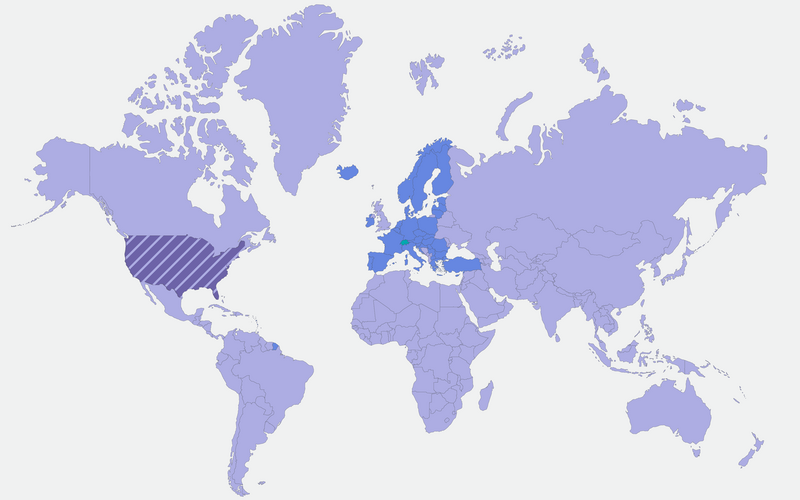
Changing universities or study programs within Europe, the recognition of academic achievements, internationally comparable final degrees or an easier start to a career abroad: this is precisely what the European Higher Education Area makes possible. The basis for this is the Bologna Process. Its aim is to create a common European Higher Education Area (EHEA) and to better harmonise higher education systems across Europe.
The process was launched in 1999 when the education ministers of 29 European countries signed the Bologna Declaration. Since then, the member states have been pursuing the common goal of shaping and continuously developing the European Higher Education Area. Regular Bologna follow-up conferences evaluate the progress of the Bologna Process, ensure its further development and set future goals and priorities.
The Bologna Process makes it easier for students to complete part of their degree at a European higher education institution. Mobility programmes such as Erasmus+ offer the opportunity to spend a semester, undertake an internship or take part in a short-term mobility programme abroad. Thanks to the ECTS system and common recognition principles, academic credits earned abroad can be transferred more easily to the home university. Staff, lecturers and researchers benefit from international collaboration, professional exchange and expanded opportunities in teaching, research and professional development.
ECTS stands for the European Credit Transfer and Accumulation System and enables the mutual recognition of academic achievements within the European Higher Education Area.
Higher education institutions award credit points for each successfully completed academic achievement (e.g. courses). In Austria, a full-time degree programme comprises 60 ECTS Credits per academic year. Within the European Higher Education Area, this number corresponds to an annual workload of between 1,500 and 1,800 hours, meaning that one ECTS Credit is equivalent to 25 to 30 hours of study. The number of hours of study required for one ECTS Credit may therefore vary from country to country. In Austria, a full-time academic year is calculated as 1,500 hours, meaning that one ECTS Credit corresponds to 25 hours of study.