




Academic Expert Program

Nursing Education

part-time

This page contains automated translations.

Evidence-based care is becoming increasingly important as the basis for high-quality, professional care. Therefore, research and scientific studies play an important role in healthcare and nursing training. In this academic expert program, you will deepen your knowledge in applied healthcare and nursing, underpin this with knowledge from nursing science and research and combine numerous didactic methods. The academic university course is recognized in accordance with § 65a GuKG as training for teaching tasks in accordance with § 17 GuKG and qualifies you as a nursing educator.

When applying, you can choose between two specializations: Simulation Training or Practice Mentoring.
You complete the simulation training specialization with the certificate Simulation training in the Educational Setting. If you complete Practice Mentoring, you will be recognized as a practice instructor in accordance with § 64 GuKG.

Department
Applied Nursing Science
Topic
Quality of life
Stay up to date

Stay up to date!

Highlights

  • Applied professional education combined with nursing expertise, nursing science, education management and practical learning phases in professional education teaching fields

  • Practice Mentoring: professional didactics and practical guidance for trainees at all training levels

  • Simulation Training: Practical specialist training on various simulation scenarios in interdisciplinary settings


    Facts

    Final degree

    Academic teacher for health care and nursing

    Duration of course
    3 semesters
    Organisational form
    part-time

    Tuition fee

    once payment € 9.9901

    + ÖH contribution + costs for optional additional services, if applicable2 / semester

    ECTS
    90 ECTS
    Language of instruction
    German

    Application Winter semester 2027/28

    15. September 2026 - 20. August 2027

    1 Alternative model for semester installments can be found under "Costs". 
    2 The costs depend on the additional services selected from the University of Applied Sciences Campus Vienna, such as work clothing, licenses, tutorials, or excursions.

    Before the studies

    You see the potential of healthcare and nursing and want to pass on your enthusiasm to trainees. It is important to you to expand the spectrum of your current work. Nursing education is your area of interest and you are motivated to expand your skills in the areas of practice mentoring or simulation in educational settings. You recognize the importance of evidence-based nursing for the development of new roles in theoretical and practical education at different educational levels. 
    With the in-depth focus on practice mentoring or simulation training in the educational setting, you can expand your expertise in healthcare and nursing with specialist practical skills. To this end, you want to underpin your previous nursing experience with science and research and reflect on it. You are keen to develop your profession further. You would like to take responsibility for the individual and professional guidance and supervision of trainees at all levels of training. You are aware of the relevance of practice-oriented learning, professional didactic expertise and skills in simulation training settings.

    Why you should study with us

    360° practical training

    You will be learning in real-life situations right from the start: either with our cooperation partners or in our well-equipped functional rooms.

    Research in applied nursing

    You will gain experience and learn from others in interdisciplinary research projects.

    Study with a future

    Continue your basic education with unique continuing education opportunities for new career fields.

    Relevant admission requirement

    For admission you need

    • a completed bachelor's degree with a professional authorization for health care and nursing or
    • a diploma in general health care and nursing or child and adolescent nursing or psychiatric health care and nursing
    • and in both cases 2 years of previous or accompanying professional experience in the respective field. 

    In case of submitting a diploma you will also need either

    • a general university entrance qualification, proven by a
      • Austrian secondary school leaving certificate (AHS, BHS, vocational higher education entrance qualification) or
      • Austrian certificate of a limited higher education entrance qualification for the respective group of studies or
      • equivalent foreign certificate
    • or a relevant additional examination in English B2 and German B2
      • the assignment from the diploma program is recognized as equivalent for the additional examination in German


    Language requirements for admission

    The required language level according to the Common European Framework of Reference for Languages (CEFR) is at least

    • German - level B2.
    • English - level B2.

    Legalization of foreign documents

    Applicants may require legalization of documents from countries other than Austria in order for them to have the evidential value of domestic public documents. Information on the required legalizations can be found here in PDF format.

    Translation of your documents

    For documents that are neither in German nor English, a translation by a sworn and court-certified interpreter is required. Your original documents should have all the necessary legalization stamps before translation so that the stamps are also translated. The translation must be firmly attached to the original document or a legalized copy.

    Online application - uploading documents

    As part of your online application, upload scans of your original documents including all required legalization stamps. For documents not issued in German or English, scans of the corresponding translations must also be uploaded. The head of the study program decides on the equivalence of international (higher) education qualifications. Therefore, your documents can only be checked as part of the ongoing application process.

    Your path to studying at Hochschule Campus Wien (HCW) begins with your registration on our application platform. In your online account, you can start your application directly or activate a reminder if the application phase has not yet started.

    Documents for your online application

    Proof of identity

    • passport or
    • identity card or
    • Austrian driving license (proof of citizenship required) or
    • residence permit (proof of citizenship required)

    Change of name - proof

    • e.g. marriage certificate - only required if your current name does not match the name on your proof of identity or on the documents required to prove the admission requirements

    Relevant admission requirement for the academic expert program

    • Bachelor's certificate in Health Care and Nursing or
    • diploma in general health care and nursing, psychiatric health care and nursing or child and adolescent nursing and
      • Austrian secondary school leaving certificate (AHS, BHS, vocational higher education entrance qualification) or
      • Austrian certificate of a limited higher education entrance qualification for the respective group of studies or
      • equivalent foreign certificate or
      • proof of successful completion of the additional examinations in English B2 and German B2 (or German assignment)

    Proof of language skills German B2

    For admission, German language skills of at least level B2 of the Common European Framework of Reference for Languages (CEFR) must be provided.

    The following applies as proof:

    • secondary school leaving certificate from a German-language school
    • completion of at least three years of studies in German
    • supplementary examination pre-study course - German B2
    • German certificate (not older than 3 years), for example:
      • Austrian German Language Diploma: ÖSD Certificate B2
      • Goethe Institute: Goethe Certificate B2
      • telc: German B2
      • German language test for university admission for foreign applicants: DSH-2
      • German Language Diploma of the Standing Conference of the Ministers of Education and Cultural Affairs of the Länder in the Federal Republic of Germany: DSD II
      • Test of German as a foreign language (Test DaF): Level TDN 4 in all parts
      • Language Center of the University of Vienna: Course and successfully passed exam at level B2

    Proof of a higher language level is also valid.


    Curriculum vitae in tabular form in German


    Letter of motivation in German


    Proof of your relevant two years of professional experience


    Legalizations and translations, if applicable

    • see tab “Foreign documents and degrees” above

    Your application is valid once you have completely uploaded the required documents. If you do not have all the documents at the time of your online application, please submit them immediately upon receipt by email to the administration of your study program (see section “Contact”).

    After completing your online application, you will receive an email confirmation with information on the next steps.

    The admission procedure consists of an interview in which we want to find out more about your motives, skills and knowledge.

    Do you still have questions about the program?

    Make an appointment with our office at anp@hcw.ac.at and arrange a personal consultation with programme director Sabine Schweiger via Zoom. The program managers also provide information and advice in regular (online) info sessions and at live events.

    Online-Infosessions

    • Tuesday, November 10, 2026, 4.30 pm
    • Tuesday, December 15, 2026, 4.30 pm
    • Wednesday, January 13, 2027, 4.30 pm
    • Thursday, February 18, 2027, 4.30 pm
    • Tuesday, March 16, 2027, 4.30 pm
    • Thursday, April 15, 2027, 4.30 pm
    • Tuesday, May 11, 2027, 4.30 pm
    • Tuesday, May 25, 2027, 4.30 pm
    • Tuesday, June 8, 2027, 4.30 pm
    • Tuesday, June 29, 2027, 4.30 pm

    Link for all online sessions via Zoom (Meeting-ID: 915 4667 6983)

    If you have any questions regarding the online info sessions, please contact anp@hcw.ac.at

    Meet Hochschule Campus Wien LIVE

    5.-6.11.2026, Pflegekongress, Austria Center Vienna, Bruno-Kreisky-Platz 1, 1220 Wien
    13.11.2026, Master & More, Austria Center Vienna, Bruno-Kreisky-Platz 1, 1220 Wien
    20.11.2026, Open House der Hochschule Campus Wien, Favoritenstraße 222-232, 1100 Wien 
    4.-7.3.2027 BeSt, Messe Wien, Halle C, Trabrennstraße, 1020 Wien
    12.3.2027, Open House der Hochschule Campus Wien, Favoritenstraße 222-232, 1100 Wien


    Costs

    The tuition fee is determined according to the actual costs. You can choose between three payment models, which are linked to different payment modalities. In addition to the tuition fee, you pay the ÖH fee each semester.

    Note for employees of the Vienna Healthcare Group:
    For employees of the Vienna Healthcare Group, the financing of the academic expert program can be covered by the GD/PEA after verification of the requirements. A release from work by the respective clinic is required in any case. The application for funding must be submitted to the GD/PEA in good time.

    Option A

    This model assumes that you will complete and pay for the entire  program. The cost of € 9.990 is due in full at the start of the  program and is non-refundable in the event of early termination of the program, unless HCW is at fault.
    One-time payment: € 9.990
    (due approximately four weeks before the start of the first semester)

    Option B

    This option allows you to pay the course fee in three installments of € 3.495 each. If you withdraw from the program early, you must still pay the full course fee. Installments already paid will not be refunded.
    Semester installment: € 3.495
    (due approximately four weeks before the start of each semester)
    Total amount: € 10.485

    Can I afford my studies?

    You can apply for financial aid for academic programs, master’s programs, as well as courses and seminars.

    For information on funding agencies, see Funding and Scholarships.
     

    Insights into the specializations

    <
    >
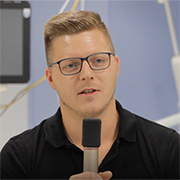
    Markus Altrichter

    " There are so many professional fields, new professions. It was clear to me that if I wanted to stay up to date, I had to continue my education."

    Markus Altrichter studied healthcare and nursing, practice mentoring.


    During the studies

    Hochschule Campus Wien was the first university of applied sciences in Austria to launch a bachelor's degree program in Healthcare and Nursing in 2008 and has extensive expertise and a large network. Our students also benefit from innovative teaching methods with current best practice examples as well as application-oriented research. Practical relevance is also guaranteed when we organize our freely accessible Campus Lectures with top-class experts.

    As the largest university of applied sciences for nursing and health sciences in Austria, Hochschule Campus Wien covers a broad spectrum of training for highly qualified healthcare and nursing: starting with the bachelor's degree program, the Continuing Education master's programs (CE) Advanced Nursing Counseling (Healthcare and Nursing Counseling), Advanced Nursing Practice (Management) and Advanced Nursing Education (Teaching) through to subject-specific academic expert programs. Students and lecturers thus have the opportunity to exchange ideas and network across disciplines.

    The aim of this course is for you as a teacher to actively accompany the learning process of students and support them in their personal responsibility. You will provide the next generation of professionals with an innovative approach to healthcare and nursing that combines science and professional practice. The academic expert program helps to link theory, practice and science even better and to further improve the quality of healthcare and nursing. Based on your professional experience as a qualified healthcare and nursing professional, you will use your new knowledge to increase the effectiveness of your nursing decisions. You will also specialize in either practice mentoring or simulation training. As a graduate, you will be authorized to instruct trainees of all levels and hold the additional title of practice instructor or you will receive the certificate that qualifies you for simulation in educational settings.

    The academic expert program combines the following six core elements:

    Applied professional education

    You will differentiate between different educational theories, didactic models and concepts. In addition, you will apply individual communication strategies and rhetorical skills and develop presentation techniques. You will classify role models on the basis of teaching and learning theories and develop individual roles from them. 

    Nursing expertise

    You will identify age and population cohorts and justify epidemiological care priorities. You will specify current challenges relating to health and illness concepts from a social science and socio-medical perspective, as well as ethics, and justify diversity as a central requirement for social relationships and networks in a professional context. 

    Nursing science

    You will acquire basic skills required for scientific work and systematic consideration of care from a scientific perspective and you will implement applied research in teaching practice; you will also write your final thesis based on these prerequisites. 

    Teaching and learning processes

    You will develop methodological and didactic concepts, plan teaching and learning processes to suit the content and the target groups, validate and apply them. You will differentiate between different media and design specific e-learning settings and digital learning spaces. You will evaluate the results and performance of trainees and employees and assess and measure their competences. 

    Education management

    You will analyze topics in knowledge, project and quality management in educational institutions. You will systematically and independently record curriculum developments and training plans. Furthermore, you will explain education-specific legal bases and conduct professional counselling interviews with trainees, employees and colleagues at all organizational levels in the setting of teaching practice.

    Practical learning phase

    You will develop professional competence and organize yourself in specific fields of practice. You will plan, carry out and evaluate teaching sequences. 
    As part of the in-depth focus on practice mentoring

    • In the academic expert program you will acquire a systematic understanding of science and, on the basis of your newly acquired scientific and evidence-based expertise, an enhanced ability to act.
    • In addition to a focus on professional didactics, you will also be trained in practical instruction, which is equivalent to § 64 GuKG.
    • Increased practical requirements such as applied professional didactics and methodology are reflected in the content of the academic expert program.

    As part of the in-depth focus on simulation training in the educational setting

    • In the academic expert program in nursing education, you will acquire additional systematic skills in simulation.  
    • You will expand your expertise in the execution of mono- and interprofessional simulations. 

    Curriculum

    Module Fundamentals of teaching and didactics

    Fundamentals of teaching and didactics

    2.5 SWS   5 ECTS

    Learning results

    • Graduates...> learn the basics of educational science and educational theories

    • Graduates...> describe didactic models and concepts and derive them for concrete teaching and learning scenarios

    • Graduates...> reflect on individual didactics suitable for their professional role

    2.5 SWS
    5 ECTS
    Introduction to educational science and educational theories | ILV

    Introduction to educational science and educational theories | ILV

    1.5 SWS   3 ECTS

    Content

    > Basics of educational science

    > Lines of thought in educational science

    Learning results

    • Students...> reflect on educational science in its contexts

    • Students...> classify the emergence of educational science theories

    • students...> differentiate currents and disciplines of pedagogy

    Teaching method

    Lecture, presentation, discussion, group work

    Examination

    Final exam: Final exam, standard assessment in the Austrian grading system (1 to 5) (course final written exam)

    Teaching language

    Deutsch

    1.5 SWS
    3 ECTS
    Didactic models and concepts | ILV

    Didactic models and concepts | ILV

    1 SWS   2 ECTS

    Content

    > Didactics as a science of vocational education
    > Didactics: etymology and meaning of terms
    > Didactics and their object theories – connection between theories, models and concepts
    > Task and object and didactics
    > Special didactics (e.g. subject didactics, didactics of adult education)
    > didactic theories and models: educational theory didactics, learning theory didactics, constructivist didactics
    > Ways to personal didactics

    Learning results

    • Students...> name didactic tasks

    • Students... > classify central didactic theories, models and concepts, explain them and select suitable ones for themselves

    • Students...> explain didactic structural elements (e.g. content, goals, methods)

    • Students...> explain and assess learning theories with regard to their didactic consequences

    • Students...> name quality criteria for teaching and learning processes (M1) [international, ethics]

    Teaching method

    Lecture, discussion, group work

    Examination

    Final exam: Final exam, standard assessment in the Austrian grading system (1 to 5) (course final written exam)

    Teaching language

    Deutsch

    1 SWS
    2 ECTS
    Module Nursing practice in the health care sector

    Nursing practice in the health care sector

    2.5 SWS   5 ECTS

    Learning results

    • Graduates...accompany trainees in dealing with patients with chronic illnesses based on internal and external evidence

    • Graduates...shape nursing-ethical action in nursing and teaching practice

    • Graduates... > name the basics and possible applications of prevention and health promotion in the setting of training in health and nursing

    • Graduates... justify diversity and individuality as central requirements and create framework conditions for successful communication processes in the teaching-learning setting

    • Graduates... > Use and maintain social relationships and networks in a professional context

    2.5 SWS
    5 ECTS
    Ethics and ethical action in nursing practice | ILV

    Ethics and ethical action in nursing practice | ILV

    1.5 SWS   3 ECTS

    Content

    > General ethics: clarification of essential ethical terms and positions that play an important role in a professional context

    > Introduction to the basic positions of ethical judgment and argumentation

    > Applied ethics: values ​​and conflicting values ​​in healthcare, professional codes and areas of responsibility

    > Organizational ethics: organization of communicative self-reflection

    > Ethics advice, Clinical Ethics Committee (KEK)

    > Ethical decision-making processes: methods and models

    > Case discussions to form and strengthen the ability to reflect, judge and argue in interdisciplinary and interdisciplinary dialogue

    Learning results

    • Students have a critical awareness of ethical fields of action and problems in their own professional practice.

    • Students can competently and independently introduce, discuss and apply knowledge of basic positions of ethical judgment in concrete conflict situations in ethical discourses.

    • Students...> learn about models and methods for ethical decision-making, can apply them in a structured manner using case studies and participate more competently in interdisciplinary (ethical) discourse

    • Students...> acquire ethical competence in relation to ethical problems in the health sector and interpersonal conflicts

    Teaching method

    Lecture, presentation, discussion, group work

    Examination

    Continuous assessment: Immanent performance review, standard assessment in the Austrian grading system (1 to 5) (Immanent)

    Teaching language

    Deutsch

    1.5 SWS
    3 ECTS
    Nursing epidemiology with a focus on chronic diseases | ILV

    Nursing epidemiology with a focus on chronic diseases | ILV

    1 SWS   2 ECTS

    Content

    > Models of chronic disease (e.g. Grypdonck,...)

    > The course and management of chronic illness – the Corbin & Strauss model

    > Living with chronic illnesses

    > Significance of the chronic disease for those affected, their families and loved ones

    > Quality of life and chronic illness

    > Chronic illness, experience of illness and burden of illness

    > Symptom coping & symptom management

    Learning results

    • Graduates research, evaluate and analyse current scientific work on the care of people with chronic diseases

    • Graduates justify the use of disease models

    • Graduates describe the experience of those affected by chronic illness and take into account the individual burden of illness of those affected in the care process

    • Graduates work on scientific papers on the subject areas of symptoms & symptom management, adherence, disease burden,...

    • Graduates create didactic concepts and use care models to convey chronic diseases

    Teaching method

    Lecture, group work, presentation

    Examination

    Continuous assessment: Immanent performance review, standard assessment in the Austrian grading system (1 to 5) (immanent)

    Teaching language

    Deutsch

    1 SWS
    2 ECTS
    Module Professionalization

    Professionalization

    2.5 SWS   5 ECTS

    Learning results

    • Graduates...> reflect on their own role ideas as teachers and develop an individual role

    • Graduates...> select situation and target group-specific communication strategies and apply them

    • Graduates... > demonstrate security in presentations

    • Graduates... > reflect on attitudes and values in the context of diversity competence.

    2.5 SWS
    5 ECTS
    Basics of communication in teaching | ILV

    Basics of communication in teaching | ILV

    0.5 SWS   1 ECTS

    Content

    > Basics of interviewing with trainees
    > Active listening techniques
    > Communication in class (motivation, instruction, class management)
    > Interaction in the classroom

    > disturbances and conflicts
    > institutional and diversity-sensitive communication

    Learning results

    • Students...> apply discussion techniques in exchange and discussion scenarios with trainees

    • Students...> use de-escalating methods.

    • Students...> illustrate the importance of promoting diversity-sensitive communication in teaching and learning settings

    • Students...> reflect on interview scenarios with trainees.

    Teaching method

    Lecture, presentation, discussion

    Examination

    Final exam: Final exam, standard assessment in the Austrian grading system (1 to 5) (course final written exam)

    Teaching language

    Deutsch

    0.5 SWS
    1 ECTS
    Rhetoric and presentation techniques | UE

    Rhetoric and presentation techniques | UE

    1 SWS   2 ECTS

    Content

    > Presentation technique and communication of topics and content
    > Verbal presentations and media rhetoric
    > Diversity-competent language
    > Facial expressions, posture, body language
    > Media in the use of presentations(image, text, video, social media)

    > advantages and disadvantages of different media


    Learning results

    • Students...> use various visualization options

    • Students...> plan and conduct presentations

    • Students...> use different interview techniques

    • Students...> use diversity competent language.

    Teaching method

    Lecture, group work, presentation

    Examination

    Continuous assessment: Immanent performance review, standard assessment in the Austrian grading system (1 to 5) (immanent)

    Teaching language

    Deutsch

    1 SWS
    2 ECTS
    Teacher professionalization | ILV

    Teacher professionalization | ILV

    1 SWS   2 ECTS

    Content

    > Professionalization research
    > Strategies for coping with stressful and challenging situations in the field of education
    > Acquiring competencies in health care and nursing - conducive and inhibiting factors
    > Identity learning and professional action in health care and nursing

    > Comparison of heterogeneous and homogeneous groups (trainees*/ students*)

    > Needs and their reflection of heterogeneous groups

    Learning results

    • Students...> discuss the importance of didactics as the basis for the professionalization of teachers

    • Students...> define terms such as profession and professionalization

    • Students...> recognize the importance of the professionalization efforts in healthcare and nursing in the professionalization discourse

    • Students...> recognize situation- and setting-specific potential for change and development

    • Students...> grasp the needs of heterogeneous groups and adapt the didactic implementation of teaching according to their needs

    Teaching method

    Lecture, group work, presentation

    Examination

    Continuous assessment: Immanent performance review, standard assessment in the Austrian grading system (1 to 5) (Immanent)

    Teaching language

    Deutsch

    1 SWS
    2 ECTS
    Module Applied Teaching and Didactics

    Applied Teaching and Didactics

    2.5 SWS   5 ECTS

    Learning results

    • Graduates… > plan teaching and learning processes and implement them

    • Graduates... > apply selected methodical concepts individually with regard to the relevant target group

    • Graduates...> evaluate the performance of trainees objectively

    2.5 SWS
    5 ECTS
    Teaching and learning process design, including training 1 | ILV

    Teaching and learning process design, including training 1 | ILV

    2.5 SWS   5 ECTS

    Content

    > Basics of planning a teaching performance
    > Preparation and planning of lessons
    > Conducting lessons
    > Reflection on teaching
    > 1st teaching 

    Learning results

    • students...> transfer curricula to teaching and learning situations

    • Students...> orient themselves in the planning and implementation of the lessons to the goals and the competencies to be acquired as well as to the respective target groups.

    • Students...> develop a teaching draft, prepare a teaching sequence and implement it

    • Students...> reflect on teaching situations and their own role and draw well-founded conclusions for further draft teaching

    • Students...> perceive different target groups and people in their complexity in the context of teaching and learning in the educational field of health and nursing and communicate them accordingly

    Teaching method

    Lecture, presentation, discussion, teaching draft

    Examination

    Final exam: Final exam, standard assessment in the Austrian grading system (1 to 5) (course final written exam)

    Teaching language

    Deutsch

    2.5 SWS
    5 ECTS
    Vertiefung 2: Praxismentoring
    Module Introduction to communication, guidance and mediation

    Introduction to communication, guidance and mediation

    2.5 SWS   5 ECTS

    Learning results

    • Graduates...apply the principles of professional interviewing in the setting of guidance and performance assessment as part of the practical learning phase;

    • Graduates... identify communication barriers in the instructional setting and initiate adequate assistance and measures;

    • Graduates... apply feedback rules and give differentiated feedback;

    • Graduates... name and argue quality criteria for teaching and learning processes;

    2.5 SWS
    5 ECTS
    Vocational and university didactic concepts in practical guidance | ILV

    Vocational and university didactic concepts in practical guidance | ILV

    0.5 SWS   1 ECTS

    Content

    > Didactics as a university discipline: on the etymology, meaning of the term, task and subject
    > Higher education/didactics and their object theories:
    > Basics of teaching and learning at the university - in the practical guide

    - Change in learning culture (“shift from teaching to learning”)

    - Linking research and teaching

    - Planning and implementation of learning settings

    - Proof of performance

    - Evaluation and feedback

    > University didactic concepts in practical instructions

    - Concrete examples for building a didactic action repertoire

    Learning results

    • Students...> apply knowledge regarding selected pedagogical and university didactic concepts and implement them in the context of instruction situations with trainees

    • Students...> select suitable instruction models for practical instruction situations and implement them

    • Students...> guide trainees of different qualification levels in a goal-oriented and systematic manner

    • Students...> design and apply methods of peer group learning

    Teaching method

    Lecture, GA

    Examination

    Final exam: Final exam, standard assessment in the Austrian grading system (1 to 5) (course final written exam)

    Teaching language

    Deutsch

    0.5 SWS
    1 ECTS
    Conversation management in the setting of practical guidance | ILV

    Conversation management in the setting of practical guidance | ILV

    0.5 SWS   1 ECTS

    Content

    > favorable framework conditions in the practical learning phase

    > Case-based conversation analysis

    > Inform, explain and demonstrate

    > Order, instruction and delegation

    > Criticism and conflict talks as part of the practical learning phase

    > Talking about fear and perceived fears

    > Error management - feedback & feedback

    > Conducting interviews as part of the assessment (intermediate assessment, final assessment)

    Learning results

    • Students...> name and explain criteria for observing and describing communication and interaction experienced;

    • Students...>carry out simulated criticism and conflict talks as part of the practical learning phase

    • Students...> name and classify the steps of case-based conversation analysis.

    • Students...> Distinguish order, instruction and delegation

    • Students...> apply concepts of interviewing in the context of the assessment (intermediate assessment, final assessment).

    Teaching method

    Lecture, GA

    Examination

    Final exam: Final exam, standard assessment in the Austrian grading system (1 to 5) (course final written exam)

    Teaching language

    Deutsch

    0.5 SWS
    1 ECTS
    General conditions, guidance models & concepts in practical guidance | ILV

    General conditions, guidance models & concepts in practical guidance | ILV

    1.5 SWS   3 ECTS

    Content

    > General conditions in the practical manual
    > Generation management, characteristics of trainees in the context of the teaching and learning process
    > Design learning locations & learning location analysis, learning locations and learning phases
    > Role understanding as a practical instructor
    > Self and time management as a practical instructor
    > Theory-practice transfer
    > Learning - Training and Transfer (LTT)
    > Stage model Dewey
    > Competence-theoretical model of nursing didactics according to Olbrich
    > Cognitive Apprenticeship

    Learning results

    • Students...> have an overview of the importance and classification of professional practice learning;

    • Students...> evaluate the respective learning outcomes and apply professional and university didactic concepts in the setting of the instruction

    • Students...> complement and combine theoretical learning and professional practical learning (theory-practice transfer)

    • Students...> grasp different methods of instruction and select and apply them according to the situation (Problem-oriented action instruction, case work, Argumentative judgment formation, cooperative development of problem solutions,...).

    Teaching method

    Lecture

    Examination

    Final exam: term paper

    Teaching language

    Deutsch

    1.5 SWS
    3 ECTS
    Module In-depth communication, guidance and mediation

    In-depth communication, guidance and mediation

    2.5 SWS   5 ECTS

    Learning results

    • Graduates... > simulate different conversation and instruction scenarios for trainees of all training levels (PA, PFA, BSc)

    • Graduates... > grasp and apply different feedback and assessment scenarios

    • Graduates... > reflect on phenomena and problems of practical guidance

    2.5 SWS
    5 ECTS
    Instruction training in the practical learning phase | PR

    Instruction training in the practical learning phase | PR

    1.5 SWS   3 ECTS

    Content

    > Practical implementation of instruction models in nursing practice

    > Application of situation-specific methods for reflection in the context of (university pedagogical) practical instructions

    Learning results

    • Students...> apply situation-specific methods for reflection in the context of (university pedagogical) practical instructions

    • Students...> simulate instruction and training sequences

    • Students...> compare appropriate instructional models for the practice setting.

    Teaching method

    Reflection

    Examination

    Continuous assessment

    Teaching language

    Deutsch

    1.5 SWS
    3 ECTS
    Feedback & assessment in the practical learning phase | SE

    Feedback & assessment in the practical learning phase | SE

    1 SWS   2 ECTS

    Content

    > systemic observation, observation errors, observation scenarios

    > Feedback, guidance and criticism

    > Feedback rules, sandwich feedback

    > Criteria of assessment, assessment errors

    > Intermediate and final assessment

    > Self and external evaluation as part of the assessment

    > GuKG, training regulation, curricula & target agreements in the context of feedback & assessment

    > (digital) training protocol

    Learning results

    • Students...> observing and describing experienced communication and interaction

    • Students...> name aspects of motivational, volitional and social dimensions of learning

    • Students...> plan systematic diagnosis and theory-based reflection

    • Students...> shape and reflect on peer feedback

    Teaching method

    Lecture, group work

    Examination

    Final exam: Final exam, standard assessment in the Austrian grading system (1 to 5) (course final written exam)

    Teaching language

    Deutsch

    1 SWS
    2 ECTS
    Vertiefung 1: Simulationstraining im Ausbildungssetting
    Module Basics of simulation training in the training setting

    Basics of simulation training in the training setting

    2.5 SWS   5 ECTS

    Learning results

    • Graduates... > identify with the role as instructor*.

    • Graduates... > adapt simulation models and resources to the individual simulation trainings

    • Graduates... > plan and reflect on the individually created simulation scenario

    2.5 SWS
    5 ECTS
    Instructor* Professionalisierung | ILV

    Instructor* Professionalisierung | ILV

    0.5 SWS   1 ECTS

    Content

    > Development and reflection of the instructor* role

    > Topics and tasks of the instructor* in the entire simulation process

    > Best practice examples/experience reports

    > Attitude development and self-reflective learning

    > Challenges and solution strategies


    Learning results

    • Students...> develop a professional understanding of their role as an instructor* and reflect on it.

    • Students...> record existing and define new task areas and discuss possible simulation scenarios

    • Students...> identify potential barriers and challenges and develop solution strategies in simulation scenarios.

    Teaching method

    Lecture, group exercise, case based learning

    Examination

    Final exam: Final written test

    Teaching language

    Deutsch

    0.5 SWS
    1 ECTS
    Simulation design of scenarios | SE

    Simulation design of scenarios | SE

    1 SWS   2 ECTS

    Content

    > Sequence of a simulation (3 phases)

    > Role and process descriptions

    > Situation analysis, learning outcome definitions, tasks and outcome

    > Organization and preparation of the simulation

    > Creation of a simulation scenario

    Learning results

    • Students...> create a simulation scenario

    • Students...> define roles and describe processes in the simulation setting

    • Students...> analyze, organize and evaluate an exemplary scenario

    Teaching method

    Lecture, group work

    Examination

    Final exam: Final written exam

    Teaching language

    Deutsch

    1 SWS
    2 ECTS
    Theoretical basics of simulation training | ILV

    Theoretical basics of simulation training | ILV

    1 SWS   2 ECTS

    Content

    > Definitions and terminology of simulation (fidelity, high fidelity, low fidelity, operator or instructor, ...)

    > Operation Setting

    > Role of the teacher in the simulation setting

    > Simulated learning environment

    > Resources (materials, premises, technology,...)

    > Simulation models at a glance

    > Curriculum organization and curriculum location

    Learning results

    • Students...> name the simulation models and definitions of the terms used in simulation

    • Students...> identify needed resources and tools to design a simulation environment conducive to learning.

    • Students...> embed simualtion training into curricula and syllabi

    Teaching method

    Lecture, group work, research-based learning (research)

    Examination

    Final exam: Final written exam

    Teaching language

    Deutsch

    1 SWS
    2 ECTS
    Module In-depth simulation training in the training setting

    In-depth simulation training in the training setting

    2.5 SWS   5 ECTS

    Learning results

    • Graduates... > manage simple and complex simulation processes for trainees

    • Graduates... > design framework and setting of a simulation briefing

    • Graduates... > apply different feedback and reflection methods

    2.5 SWS
    5 ECTS
    Simulation briefing and debriefing | ILV

    Simulation briefing and debriefing | ILV

    1 SWS   2 ECTS

    Content

    > Constructivist reflective teaching methods

    > Definitions of terms (feedback, reflection, briefing, debriefing,...)

    > Methods of briefing and debriefing

    > Communication methods in the simulation process

    Learning results

    • Students...> explain and differentiate between relevant simulation terms

    • Students...> use communication strategies in the context of briefing and debriefing

    • Students...> identify methods of briefing and debriefing

    Teaching method

    Lecture, group work, reflection

    Examination

    Final exam: Final oral exam

    Teaching language

    Deutsch

    1 SWS
    2 ECTS
    simulation training | PR

    simulation training | PR

    1.5 SWS   3 ECTS

    Content

    > Practical implementation of simulation in teaching

    > Application of situation-specific methods for reflection in the context of simulation in courses.

    Learning results

    • Students...> simulate training sequences

    • Students...> organize preparation and follow-up of training sequences

    • Students...> reflect on training sequences

    Teaching method

    Reflection, exercise

    Examination

    Final exam

    Teaching language

    Deutsch

    1.5 SWS
    3 ECTS

    Module Nursing practice in the health care sector

    Nursing practice in the health care sector

    2 SWS   5 ECTS

    Learning results

    • Graduates...accompany trainees in dealing with patients with chronic illnesses based on internal and external evidence

    • Graduates...shape nursing-ethical action in nursing and teaching practice

    • Graduates... > name the basics and possible applications of prevention and health promotion in the setting of training in health and nursing

    • Graduates... justify diversity and individuality as central requirements and create framework conditions for successful communication processes in the teaching-learning setting

    • Graduates... > Use and maintain social relationships and networks in a professional context

    2 SWS
    5 ECTS
    Health promotion and prevention | SE

    Health promotion and prevention | SE

    1 SWS   2 ECTS

    Content

    > Health promotion in different settings
    > Health promotion in a European comparison
    > Health literacy
    > Concrete implementation of health promotion measures
    > Epidemiological measures in the context of health promotion
    > Risk factors and resources
    > Preventive measures in the setting of health and nursing
    > Austrian health care
    > Public Health - clarification and implementation

    Learning results

    • Students...> name basics and possible applications of prevention and health promotion in different settings in health care and nursing

    • Students...> differentiate terms, models and methods of health literacy consolidation

    • Students...> analyse health promotion and public health measures in a national and European context

    • Students...> proactively plan and implement preventive measures in different healthcare and nursing settings

    Teaching method

    lecture, discussion, group work, presentation

    Examination

    Final exam: Final exam, standard assessment in the Austrian grading system (1 to 5) (course final written exam)

    Teaching language

    Deutsch

    1 SWS
    2 ECTS
    Diversity-sensitive care concepts | ILV

    Diversity-sensitive care concepts | ILV

    1 SWS   3 ECTS

    Content

    > Comparison of different images of people and the basic attitudes associated with them

    > Privilege awareness and the associated discrimination

    > Intersectionality research

    > Structural and individual forms of discrimination

    > Requirements and building blocks for diversity-sensitive teaching and learning settings

    > Diversity as a parameter against the background of the professional field

    > Focus on individuality

    Learning results

    • Students...> discuss definitions and definitions of diversity management and reflect on them in relation to communication situations in everyday work (M4) [international, ethics, SDGs]

    • Students...> describe the dimensions of the Diversity Wheel according to Gardenswartz and Rowe and analyze it

    • Students...> develop an awareness of individuality and individual needs and analyze and discuss them with regard to everyday work

    • Students...> characterize images of people and link the associated basic attitudes in advising and communication in teaching

    Teaching method

    Lecture, group work, discussion


    Examination

    Continuous assessment: Immanent performance review, standard assessment in the Austrian grading system (1 to 5) (Immanent)

    Teaching language

    Deutsch

    1 SWS
    3 ECTS
    Module Applied Nursing Research

    Applied Nursing Research

    2.5 SWS   5 ECTS

    Learning results

    • Graduates... >describe the basics of nursing science and nursing research

    • Graduates... > combine previously acquired knowledge from healthcare and nursing with newly gained, scientific findings from systematic literature research

    • Graduates...> formulate current issues in healthcare and nursing

    • Graduates... > independently research scientific and evidence-based literature

    • Graduates... > write an exposé on a topic of their own choice for their final thesis.

    • Graduates... > name and differentiate the basics of quantitative and qualitative research

    2.5 SWS
    5 ECTS
    Introduction to Nursing Science | ILV

    Introduction to Nursing Science | ILV

    1 SWS   2 ECTS

    Content

    > structured and unstructured sources of knowledge

    > Basics of quantitative and qualitative research

    > quality criteria

    > Research designs & methods

    > research process

    Learning results

    • Students...> describe the basics of quantitative and qualitative research

    • Students...> describe the quality criteria of quantitative and qualitative research

    • Students...> explain the steps of the research process using application examples

    • Students...> derive questions from a problem/phenomenon from healthcare and nursing in accordance with the research process

    Teaching method

    Lecture, presentation, discussion, group work

    Examination

    Module exam

    Teaching language

    Deutsch

    1 SWS
    2 ECTS
    In-depth nursing research | ILV

    In-depth nursing research | ILV

    0.5 SWS   1 ECTS

    Content

    > Intensification of quantitative and qualitative research

    > Collection and evaluation methods of quantitative and qualitative research

    Learning results

    • Students...> name the respective advantages, possibilities and limitations of quantitative and qualitative research

    • Students...> name survey and evaluation methods in quantitative and qualitative research

    • Students...> interpret and classify research results

    Teaching method

    Lecture, group work

    Examination

    Module exam

    Teaching language

    Deutsch

    0.5 SWS
    1 ECTS
    EBN and literature research | ILV

    EBN and literature research | ILV

    1 SWS   2 ECTS

    Content

    > EBN process

    > internal and external evidence (Behrens, Langer)

    > research process

    > citation

    > Evaluation of scientific texts

    Learning results

    • Students...> carry out the processing of questions using the EBN process

    • Students...> identify the structure and requirements of scientific texts

    • Students...> implement the research process

    • Students...> name citation rules and can use them in a differentiated way

    • Students...> assess scientific texts using assessment criteria/instruments and integrate them according to the research question and the inclusion and exclusion criteria

    Teaching method

    Lecture, exercises

    Examination

    Module exam

    Teaching language

    Deutsch

    1 SWS
    2 ECTS
    Module Applied Teaching and Didactics

    Applied Teaching and Didactics

    2.5 SWS   5 ECTS

    Learning results

    • Graduates… > plan teaching and learning processes and implement them

    • Graduates... > apply selected methodical concepts individually with regard to the relevant target group

    • Graduates...> evaluate the performance of trainees objectively

    2.5 SWS
    5 ECTS
    Teaching and learning process design, including training 2 | ILV

    Teaching and learning process design, including training 2 | ILV

    1.5 SWS   3 ECTS

    Content

    > Planning and designing teaching processes
    > Develop teaching drafts (suitable teaching concept, suitable methods and media)
    > Assess learning requirements
    > Selected teaching techniques in practice (problem-centered learning scenarios, case studies, small group settings, PQ4R method, discussions, Learning Training Transfer (LTT), learning fields, role-playing games, learning team coaching, teaching-learning contract, team teaching)
    > 2nd teaching performance

    Learning results

    • Students...> prepare and initiate collective and individual learning

    • Students...> solve challenging situations while learning based on the theoretical basics

    • Students...> assign learning drafts that have already been created to the learning tasks and adapt the skills to be acquired

    • Students...> provide orientation in the learning process of trainees, stimulate learning actions and accompany them

    • Students...> determine the individual learning status of trainees at regular intervals and give constructive feedback orally and in writing

    • Students...> strengthen and expand competencies of trainees and ensure their learning outcomes.

    Teaching method

    Lecture, presentation, discussion, teaching draft

    Examination

    Final exam: final examination, standard assessment in the Austrian grading system (1 to 5) (LV-final written final examination) must be entered.

    Teaching language

    Deutsch

    1.5 SWS
    3 ECTS
    Performance assessment | ILV

    Performance assessment | ILV

    1 SWS   2 ECTS

    Content

    > Basic terms: performance, performance culture
    > Self and external perception
    > Feedback culture
    > Legal basis for performance assessment and assessment
    > Forms/functions of performance assessment and assessment
    > Benchmarks and criteria for performance assessment and assessment
    > Conducting performance appraisals

    Learning results

    • Students...> name the legal basis of performance assessment

    • Students...> provide feedback on the performance of trainees according to objective criteria

    • Students...> provide motivational feedback

    • Students...> describe the challenges and opportunities of performance diagnostics

    • Students...> explain options for performance evaluation and appraisal

    Teaching method

    Lecture, group work, presentation

    Examination

    Final exam: Final exam, standard assessment in the Austrian grading system (1 to 5) (course final written exam)

    Teaching language

    Deutsch

    1 SWS
    2 ECTS
    Module Media and Methods

    Media and Methods

    5 SWS   10 ECTS

    Learning results

    • Graduates... > plan a multimedia learning environment and create digital teaching and learning scenarios

    • Graduates...>implement teacher- and learner-centred methods

    • Graduates... > consider and integrate current digital trends and changes in their planning of teaching and learning scenarios

    5 SWS
    10 ECTS
    Methodical conception of the lesson 2 | SE

    Methodical conception of the lesson 2 | SE

    1.5 SWS   3 ECTS

    Content

    > Basics of learner-centered methods & learning techniques
    > Possibilities and limits of self-direction and learning focus
    > Implications and conditions of learning centered
    > Selected methodological concepts: LTT

    Learning results

    • Students...> explain learner-centred methods and apply them

    • Students...> grasp the basics of self-directed and self-motivated learning.

    • Students...> create a motivational teaching and learning environment

    • Students...> apply feedback that promotes motivation and the learning process

    Teaching method

    Lecture, presentation, discussion

    Examination

    Final exam: Final written exam, standard assessment in the Austrian grading system (1 to 5) (Immanent).

    Teaching language

    Deutsch

    1.5 SWS
    3 ECTS
    Media didactics and e-learning | ILV

    Media didactics and e-learning | ILV

    2 SWS   4 ECTS

    Content

    > Basics of media education, media didactics and e-learning/e-teaching
    > Learning theories in the field of media didactics and media education
    > Problem areas in the conception of media learning offers
    > Practical implementation of a multimedia learning environment
    > Technologies in teaching
    > Concepts of blended learning
    > Basic knowledge of using Learning Management (LMS) systems

    Learning results

    • Students...> name selected concepts and theories in the field of media didactics and didactic designs

    • Students...> > develop basic skills in the field of media didactics (Moodle)

    • Students...> name different digital teaching and learning scenarios

    • Students...> orientate themselves in the LMS system (e.g. Moodle), provide working materials and set up forums

    • Students...> moderate communication processes in web-based LMS systems

    Teaching method

    Blended learning, group work, presentation

    Examination

    Continuous assessment

    Teaching language

    Deutsch

    2 SWS
    4 ECTS
    Methodical conception of the lesson 1 | SE

    Methodical conception of the lesson 1 | SE

    1.5 SWS   3 ECTS

    Content

    > Basics of teacher-centred methods and teaching techniques
    > Characteristics of "good teaching"

    Learning results

    • Students...> explain the variety of teacher-centred methods (function, variants, use)

    • Students...> use teacher-centred methods for specific target groups

    • Students...> apply teaching techniques in a targeted manner

    Teaching method

    Lecture, presentation, discussion

    Examination

    Final exam: written Final exam, standard assessment in the Austrian grading system (1 to 5) (course final written exam)

    Teaching language

    Deutsch

    1.5 SWS
    3 ECTS
    Module Organization and management in education

    Organization and management in education

    3 SWS   5 ECTS

    Learning results

    • Graduates... > justify the relevance of the legal foundations and framework conditions for individual professional action.

    • Graduates... > justify the conceptualization of the learning fields within the framework of a curriculum

    • Graduates... > carry out their role as teachers in crisis and conflict management

    3 SWS
    5 ECTS
    Legal bases in professional and school law | ILV

    Legal bases in professional and school law | ILV

    1 SWS   1 ECTS

    Content

    > Development and overview of the legal basis in Austrian school law

    > Health and Nursing Act

    > Legislation on social care professions

    > Legislation for nursing assistant professions - training ordinance

    > Examination regulations

    Learning results

    • Students...> give an overview of the historical development and the current situation of professional and school law

    • Students...> classify their professional activity within the legal framework

    • Students...> derive relevant actions in the context of training for social care professions and nursing assistant professions on the basis of case studies

    Teaching method

    Speech

    Examination

    Final exam: Final exam, standard assessment in the Austrian grading system (1 to 5) (course final written exam)

    Teaching language

    Deutsch

    1 SWS
    1 ECTS
    Curriculum and curriculum development | ILV

    Curriculum and curriculum development | ILV

    1 SWS   2 ECTS

    Content

    > Introduction to curricula and syllabi
    >Curriculum variants, especially learning field concept (minimum, simple, standard and integrated training curricula, learning field concept)
    > Exemplary presentation of curriculum variants
    > Curricular elements

    Learning results

    • Students...> describe curriculum variants and give examples

    • Students...> describe curricular elements

    • Students...> create an example of a learning field based on a selected topic of the curriculum

    Teaching method

    Lecture, group work

    Examination

    Continuous assessment: Immanent performance review, standard assessment in the Austrian grading system (1 to 5) (immanent)

    Teaching language

    Deutsch

    1 SWS
    2 ECTS
    Coaching, consulting and conflict management | SE

    Coaching, consulting and conflict management | SE

    1 SWS   2 ECTS

    Content

    > Coaching and advice for trainees
    > Educational advice

    > Behavioral coaching
    > Peer mediation and conflict resolution
    > Crisis management for trainees

    Learning results

    • Students...> apply techniques and strategies in coaching and advising trainees

    • Students...> accompany trainees in crisis situations

    • Students...> know about their own areas of competence and activity in the context of crisis management

    • Students...> implement interdisciplinary interface management in crisis situations for trainees

    Teaching method

    Presentation, seminar work

    Examination

    Final exam: Final exam, standard assessment in the Austrian grading system (1 to 5) (course final written exam)

    Teaching language

    Deutsch

    1 SWS
    2 ECTS

    Module Information systems in education

    Information systems in education

    2.5 SWS   5 ECTS

    Learning results

    • Graduates… > participate as employees and independently contribute to projects

    • Graduates... > critically justify connections between project, quality and knowledge management

    2.5 SWS
    5 ECTS
    Project and process management | SE

    Project and process management | SE

    1.5 SWS   3 ECTS

    Content

    > Basics of project management
    > Project management sub-processes
    > Phase-oriented use of selected project management methods
    > Project definition and project environment analysis
    > Project planning and project organization
    > Communication in projects
    > Introduction to project controlling
    > Project completion

    Learning results

    • Students...> name the basics of project management

    • Students...> name the steps of project planning and the basics of project organization and communication in projects

    • Students...> have an insight into project controlling

    • Students...> name the characteristics of the project completion

    Teaching method

    Lecture, presentation, discussion, term paper

    Examination

    Final exam: written Final exam, standard assessment in the Austrian grading system (1 to 5) (course final written exam)

    Teaching language

    Deutsch

    1.5 SWS
    3 ECTS
    Knowledge and quality management | SE

    Knowledge and quality management | SE

    1 SWS   2 ECTS

    Content

    quality management

    > Basics of quality management

    > Quality methods and tools

    > Quality management systems


    knowledge management

    > Basics of knowledge management
    > Models, barriers and obstacles of knowledge management
    > Connections: process management – ​​quality management – ​​knowledge management

    Learning results

    • Students...> develop an understanding of quality as the result of a social coordination process and as a basic component of daily work

    • Students...> name the terms, models and instruments of quality work

    • Students...> explain connections between quality and knowledge management

    Teaching method

    Lecture, seminar paper

    Examination

    Continuous assessment: Immanent performance review, standard assessment in the Austrian grading system (1 to 5) (immanent)

    Teaching language

    Deutsch

    1 SWS
    2 ECTS
    Module Thesis

    Thesis

    0.5 SWS   5 ECTS

    Learning results

    • Graduates...> write a thesis in accordance with general scientific guidelines and the guidelines of the FH Campus Wien

    • Graduates...> present their thesis and conduct a professional discussion

    • Graduates... > clearly and concisely present their thesis project in small groups

    0.5 SWS
    5 ECTS
    Accompanying seminar thesis | SE

    Accompanying seminar thesis | SE

    0.5 SWS   1 ECTS

    Content

    > Coaching of small groups to accompany the preparation of the thesis, in particular the exposé

    > Presentation of the synopsis in small groups

    Learning results

    • Students...> analyze and identify technically relevant problems

    • Students...> work on a current topic and discuss it in writing as part of a thesis

    • Students...> provide constructive feedback to colleagues regarding their academic work

    Teaching method

    Presentation, discussion, group work

    Examination

    Final exam: Final exam, standard assessment in the Austrian grading system (1 to 5) (course final written exam)

    Teaching language

    Deutsch

    0.5 SWS
    1 ECTS
    Thesis | SE

    Thesis | SE

    0 SWS   3 ECTS

    Content

    > Independent processing of a technically relevant topic under the guidance of a supervisor
    > Design of the thesis

    Learning results

    • Students...> analyze and identify technically relevant problems in healthcare and nursing

    • Students...> work on a current topic and discuss it in writing as part of their thesis

    • Students...> write a thesis in accordance with general scientific guidelines and the guidelines of the FH Campus Wien

    Teaching method

    Independent work supported by coaching

    Examination

    Final exam: Immanent performance review, standard assessment in the Austrian grading system (1 to 5) (immanent)

    Teaching language

    Deutsch

    3 ECTS
    final exam | AP

    final exam | AP

    0 SWS   1 ECTS

    Content

    > The final final examination is an oral commissioned overall examination in front of an examination senate and provides for checking the scientific competence and the relevant professional areas (this comprises two parts, whereby each part must be assessed positively).
    > Presentation and discussion of the thesis
    > Specialist discussion

    Learning results

    • Students...> present their thesis with a focus on nursing education

    • Students...> lead a professional and scientific discussion

    • Students...> derive methodical didactical contexts (especially with focus on instruction or simulation) for their individual actions as nursing educators

    Teaching method

    presentation

    Examination

    Final exam: Final exam, standard assessment in the Austrian grading system (1 to 5) (course final written exam

    Teaching language

    Deutsch

    1 ECTS
    Module Practical learning phase

    Practical learning phase

    1 SWS   20 ECTS

    Learning results

    • Graduates... > Organize themselves in specific practical fields of nursing education

    • Graduates… > plan methods and techniques of teaching and learning according to the institutional framework

    • Graduates... >apply practical skills in a targeted manner in the practical field

    • Graduates... > reflect on the variations of professional roles in the respective professional field

    1 SWS
    20 ECTS
    Teaching practice | PR

    Teaching practice | PR

    0 SWS   18 ECTS

    Content

    > Teaching appearance(s) in the context of subjects taught at educational institutions in the field of training, further education, advanced training

    > Support from a mentor/instructor at educational institutions

    Learning results

    • Students...> plan, implement and evaluate teaching and learning sequences for a target group in the educational sector

    • Students...> determine the performance of trainees

    • Students...> use constructive feedback as a motivational factor in the learning process of trainees.

    Teaching method

    Teaching appearance(s) as part of the practical learning phase

    Examination

    Module exam

    Teaching language

    Deutsch

    18 ECTS
    reflection | PR

    reflection | PR

    1 SWS   2 ECTS

    Content

    > Support and reflection by mentor/instructor at educational institutions

    Learning results

    • Students...> carry out reflections on their own teaching and role

    • Students...> explain and describe conditions within teaching practice that promote and inhibit learning.

    • Students...> describe and reflect on stress factors and apply coping strategies.

    Teaching method

    presentation, reflection

    Examination

    Module exam

    Teaching language

    Deutsch

    1 SWS
    2 ECTS

    Class Schedule  HLP29

    Twice a month in blocks 
    Thursday afternoons or Friday through Saturday, all day

    Thursday 4:30 p.m. – 8:45 p.m.
    Friday 8:45 a.m. – 8:45 p.m.
    Saturday 8:45 a.m. – 8:45 p.m.

    Winter Semester 2027/28

    Start of semester: Calendar Week 36 (2027)
    End of semester: Calendar Week 6 (2028)

    • September 
      Calendar Week 36 (Thu/Fri/Sat): September 2, 2027–September 4, 2027 
      Calendar Week 38 (Thu/Fri/Sat): September 16, 2027–September 18, 2027
    • October
      Calendar Week 41 (Thu/Fri/Sat): October 7, 2027–October 9, 2027
      Calendar Week 43 (Thu/Fri/Sat): October 21, 2027–October 23, 2027
    • November 
      Calendar Week 45 (Thu/Fri/Sat): November 4, 2027–November 6, 2027 
      Calendar Week 47 (Thu/Fri/Sat): November 18, 2027–November 20, 2027
    • December
      Calendar Week 49 (Thu/Fri/Sat): Dec. 2, 2027–Dec. 4, 2027
      Calendar Week 51 (Thu/Fri/Sat): Dec. 16, 2027–Dec. 18, 2027
    • January 
      Calendar Week 3 (Thu/Fri/Sat): Jan. 13, 2028–Jan. 15, 2028 
      Calendar Week 5 (Thu/Fri/Sat): Jan. 27, 2028–Jan. 29, 2028
    • February 
      Calendar Week 6 (Fri): February 4, 2028*

    Summer Semester 2028

    Start of semester: Week 8 (2028)
    End of semester: Week 28 (2028)

    • February 
      Week 8 (Thu/Fri/Sat): February 17, 2028–February 19, 2028
    • March 
      Week 10 (Thu/Fri/Sat): March 2, 2028–March 4, 2028 
      Week 12 (Thu/Fri/Sat): March 16, 2028–March 18, 2028
    • April
      Calendar Week 14 (Thu/Fri/Sat): March 30, 2028–April 1, 2028
      Calendar Week 17 (Thu/Fri/Sat): April 20, 2028–April 22, 2028
    • May 
      Calendar Week 19 (Thu/Fri/Sat): May 4, 2028–May 6, 2028 
      Calendar Week 21 (Thu/Fri/Sat): May 18, 2028–May 20, 2028
    • June/July
      Calendar Week 23 (Thu/Fri/Sat): June 1, 2028–June 3, 2028
      Week 26 (Thu/Fri/Sat): June 22, 2028–June 24, 2028 
      Week 27 (Thu/Fri/Sat): June 29, 2028–July 1, 2028 
      Week 28 (Fri): July 7, 2028*

    Winter Semester 2028/29

    Start of semester: Calendar Week 38 (2028)
    End of semester: Calendar Week 47 (2028)

    • September 
      Calendar Week 38 (Thu/Fri/Sat): September 14, 2028–September 16, 2028 
      Calendar Week 40 (Thu/Fri/Sat): September 28, 2028–October 30, 2028
    • October
      Calendar Week 42 (Thu/Fri/Sat): Oct. 12, 2028–Oct. 14, 2028
    • November
      Calendar Week 46 (Thu/Fri/Sat): Nov. 9, 2028–Nov. 11, 2028
      Calendar Week 48 (Fri): Nov. 24, 2028*

    *Mandatory additional exam day

    Clinical observership

    July 1, 2028 – December 15, 2028

    • Duration:
      • 450 hours
    • Content Requirements:
      • 90 instructional units of classroom observation (under the supervision of a teacher)
      • Plan and prepare 45–90 teaching units
      • Conduct 45–90 teaching units independently
      • 180 teaching units of reflection and insight into school organization
    • Requirements for 250-hour clinical observership (external):
      • 50 teaching units of classroom observation (under the supervision of a teacher)
      • Approx. 100 teaching units, including planning, preparation, and independent delivery
      • Approx. 100 teaching units of reflection and insight into school organization

    Expected Final Exams

    January 15, 2029 – January 19, 2029 (subject to change)

    Expected Graduation Ceremony

    February/March 2029 (Date to be announced)

    Class times may vary slightly; minor changes are possible each semester. Due to the exam schedule, classes on Thursdays may start as early as 3:30 p.m. Up to approximately 50% of the class sessions take place online (each semester; information subject to change!)


    After graduation

    As a graduate of this academic expert program, you will have a wide range of professional fields and career opportunities to choose from. Read here where your career path can take you. 

    You have already gained your first professional experience in healthcare and nursing in the higher intermediate service. With this program, you can help shape the field of practice as a teacher and support evidence-based nursing care. You will work in teaching primarily at training institutes for nursing assistant professions (PA, PFA), schools for medical assistant professions (MFA), schools for social care professions and colleges for social care and nursing (BHS). As a teacher, you can also offer teaching and learning guidance. In addition to teaching, you are also active in education management. You will work in public and private healthcare and education institutions. 

    • further education and training institutions in the social, health and care sectors

    • institutions of the public education system

    • centers for teaching or learning guidance


      Studying made easy

      People smiling at each oter
      Try out studying

      Try out your desired study program (content only in German)

      >
      Bücher mit Geld
      Funding & Scholarships

      More information here

      >
      Hände zeigen auf Weltkarte
      Time abroad

      Expertise, language skills, broadening horizons

      >
      Fish jumps out of fishbowl into another fishbowl
      Open Lectures

      Find out more

      >
      Center for academic writing
      >
      Intensive German course
      >
      EICC
      >
      Recognition of Qualifications
      >
      Accessibility
      >
      queer@HCW
      >

      Networking with graduates and organizations

      We work closely with the Vienna Healthcare Group, the Vinzentinum Vienna, the Barmherzige Brüder Vienna, the University of Vienna, the professional association and other healthcare institutions. Our cooperations provide you with starting points for your career or your collaboration in research and development activities. Many of our cooperations are shown in the campus network. It is always worth taking a look and may lead you to a new job or an interesting event organized by one of our cooperation partners!


      Kontakt

      Head of program

      Administration

      Joanne Li, BA
      Marion Schaufler

      Application management
      Favoritenstraße 222, F.1.16
      1100 Vienna

      Contact
      +43 1 606 68 77-4040
      anp@hcw.ac.at

      Opening hours
      Monday, Wednesday, Friday: 8.00-13.00 
      Tuesday: 8.00-15.30 
      Thursday: 8.00-17.00 

      Teaching staff and research staff


      You want to know more? We will help you.


      Have you found all the information you are looking for?

      • Yes
      • No