



Master's Degree Program

Molecular Biotechnology

Molecular Biotechnology

full-time

The English-language master's degree program in Molecular Biotechnology is unique in Austria: the emphases of the master's degree program are molecular medicine, human genetics, drug discovery and immunology. You will investigate the causes of diseases at the cellular level and learn how to develop new treatments and methods for them. You will learn about the hot topics of big data, personalized data analysis and data security. The degree program is part of a large national and international network at university level.

Department
Applied Life Sciences
Topic
Technologies

Highlights

  • English-language degree program with focus in cancer research, immunology, drug discovery, human genetics and stem cells

  • R&D-Projects in cooperation with Universities and Companies: allergy research, cell-based test systems and cellular signaling pathways


    Facts

    Final degree

    Master of Science in Natural Sciences (MSc)

    Duration of course
    4 semesters
    Organisational form
    full-time

    Tuition fee per semester

    € 363,361

    + ÖH contribution + costs for optional additional services, if applicable2

    ECTS
    120 ECTS
    Language of instruction
    English

    Application Winter semester 2027/28

    01. January 2027 - 02. April 2027

    Study places

    40

    1 Tuition fees for students from third countries € 727 per semester. Details on tuition fees can be found in the general fee regulations.
    2 The costs depend on the additional services selected from the University of Applied Sciences Campus Vienna, such as work clothing, licenses, tutorials, or excursions.

    Perspectives

    All videos
    <
    >

    Internship at the renowned Massachusetts Institute of Technology

    Florian Kabinger completed the English Master program Molecular Biotechnology in 2020. Equipped with the Austrian Marshall Plan Scholarship, he went abroad to do his internship at the renowned Massachusetts Institute of Technology (MIT). And he will continue his top-class education.

    3:21

    Before the studies

    Your interest in breaking new ground in the development of vaccines and other medicines or in areas such as stem cell research and a desire to take on management responsibilities are excellent prerequisites for studying in this degree program. You want to be at the forefront of developing new technologies. You are not interested in a routine job, but want major challenges in research and development. You are a very curious individual who wants to examine things in fine detail and to this end you have the necessary patience to undertake the required steps in order to reach your goals. You know that you can achieve a lot on your own, but in a team you can achieve everything. English as the language of life sciences is part of your everyday working life.

    Why you should study with us

    Study place = lab place

    Sharing is good, however, not your lab space, please. You are guaranteed your own.

    Highly sought-after knowledge

    What you learn here is crucial to solving global problems.

    International network

    Going abroad for an internship or a job: this is the next logical step when studying with us.

    Relevant admission requirement

    The relevant admission requirement is

    • a completed bachelor's degree in a relevant subject or
    • the completion of an equivalent degree at a recognized domestic or foreign post-secondary educational institution.

    A total of 180 ECTS credits in the fields of molecular biology, biology with a focus on genetics, biology with a focus on microbiology, biotechnology, pharmacy, medicine, food biotechnology or biomedical sciences, of which at least

    • 30 ECTS credits - biology (at least 20 ECTS credits from molecular biology, genetics, cell biology, microbiology, genome research or biotechnology and at least 10 ECTS credits from biological laboratory exercises as part of the degree program),
    • 15 ECTS credits - general, analytical, physical, organic, bioorganic chemistry, biochemistry,
    • 5 ECTS credits - mathematics, statistics, computer science.

    In order to check whether you can provide the required ECTS credits, you must upload the completed table for proof of ECTS credits as part of the online application. In the case of a degree program without the ECTS system, it is the applicant's responsibility to provide proof of equivalence. In exceptional cases, the head of degree program will decide. If the applicant falls slightly short of the specified ECTS credits, the head of degree program will decide on an individual basis whether the missing ECTS credits can be compensated for by additional examinations.


    Language requirements for admission

    The course is taught entirely in English. The required language level according to the Common European Framework of Reference for Languages (CEFR) is at least

    • English - level C1.

    Legalization of foreign documents

    Applicants may require legalization of documents from countries other than Austria in order for them to have the evidential value of domestic public documents. Information on the required legalizations can be found here in PDF format.

    Translation of your documents

    For documents that are neither in German nor English, a translation by a sworn and court-certified interpreter is required. Your original documents should have all the necessary legalization stamps before translation so that the stamps are also translated. The translation must be firmly attached to the original document or a legalized copy.

    Online application - uploading documents

    As part of your online application, upload scans of your original documents including all required legalization stamps. For documents not issued in German or English, scans of the corresponding translations must also be uploaded. The head of the study program decides on the equivalence of international (higher) education qualifications. Therefore, your documents can only be checked as part of the ongoing application process.

    Your path to studying at Hochschule Campus Wien begins with your registration on our application platform. You can start your application directly in your online account or activate a reminder if the application phase has not yet started.

    The ratio of study places to applicants in the master's degree program in Molecular Biotechnology is currently approx. 1:4.5.

    For organizational reasons, we recommend that applicants from outside the EU, EEA and Switzerland submit their application by the end of February at the latest.

    Documents for your online application

    Proof of identity

    • passport or
    • identity card or
    • Austrian driving license (proof of citizenship required) or
    • residence permit (proof of citizenship required)

    Change of name - proof

    • e.g. marriage certificate - only required if your current name does not match the name on your proof of identity or on the documents required to prove the admission requirements

    Proof of fulfillment of the relevant admission requirement

    • degree certificate and
    • Transcript of Records or Diploma Supplement

    If you have not yet completed your studies, please upload proof of all courses completed to date as part of the relevant degree program, including ECTS credits.


    English level C1 - proof of language skills

    For admission, English language skills of at least level C1 of the Common European Framework of Reference for Languages (CEFR) must be provided.

    The following applies as proof:

    • Transcript of Records/Diploma Supplement of at least two years of studies completed at a higher education institution in an EU/EEA member state, Switzerland, the United Kingdom of Great Britain and Northern Ireland, the USA, Australia, New Zealand or Canada – no additional certificate for proof of language skills in English necessary.
    • English certificate (not older than 3 years), e.g. obtained from:
      • Hochschule Campus Wien: Oxford Test of English Level C1 (score range = 141-170)
      • TOEFL: 95+ points
      • IELTS Academic: Overall Band Score = at least 7
      • Cambridge: Overall score level C1 (minimum scale score = 180 in B2 First (FCE) or C1 Advanced (Certificate in Advanced English CAE))

    Proof of a higher language level is also valid.


    Curriculum vitae in tabular form in English


    Letter of motivation in English


    Legalizations and translations, if applicable

    • see tab “Foreign documents and degrees” above

    Proof of ECTS credits


    Your application is valid once you have completely uploaded the required documents. If you do not have all the documents at the time of your online application, please submit them immediately upon receipt by email to the administration of your study program (see section “Contact”).

    After completing your online application, you will receive an email confirmation with information on the next steps.

    If the application documents are fully provided and meet the admission requirements, you will be invited to participate in the first part of the admission procedure. The first part is a written admission test on the computer on site, where your knowledge of biology, molecular biology, cell biology, English on Life Science Bachelor’s level, as well as cognitive questions are tested.

    For the written admission test, which takes place at the main location of the Hochschule Campus Wien, your personal presence in Vienna is required.

    After positive completion of the written admission test, you will be invited to the second part of the admission procedure, which is planned as an online interview. You will have the opportunity to present your motivation, your studies and your professional and scientific goals, as well as to answer knowledge questions at Life Science Bachelor’s level. The interview will be conducted with an online meeting tool.

    The test and the interview are scored and ranked.

    • Criteria
      The criteria for acceptance are based solely on performance. The geographical origin of the applicant has no influence on the decision. The admission requirements must be met in all cases. Applicants are evaluated according to the following system:
      • Written test 60%
      • Interview 40%

    The committee, consisting of the head of the degree program and representatives of the teaching staff, awards places to the applicants who score highest in the admission procedure. The admission procedure as a whole, including tests and assessment results, are documented in a transparent and verifiable manner.

    • Waiting list
      If you are not offered a place in the degree program but your score is considered good in comparison to others, you will be placed on the waiting list. This means that if another person declines their offer of a study place for the upcoming winter semester, applicants from the waiting list will be contacted. This can happen at short notice and no deadline can be determined in advance. You will be informed immediately if you are offered a spot in the degree program.  
    • Rejection by the degree program
      If you receive a rejection after the admission process, you can reapply for the next winter semester as soon as the application window is open again. You will then have to reapply online, submit all the necessary documents and go through the entire admission procedure again.
    • Acceptance of the study place
      You will be informed via e-mail about the opportunity of receiving a place in the degree program. Attached to that you will find your training contract and a number of regulations. You need to return the signed contract in time (clearly stated in the e-mail) to secure and accept your place in the degree program. The accounting department will forward you the invoice for the tuition fee separately. This may take a few days. The timetable for the respective degree program is expected to be online one to two weeks BEFORE the beginning of each semester. All other study-relevant information will either be sent to you via e-mail, or you will receive it at the beginning of the academic year.
    • Cancellation from the applicant’s side
      If you are unable or unwilling to accept your place in the degree program, please inform the administration office at biotechnologie@hcw.ac.at as soon as possible. Your place will then be allocated to the next person on the waiting list. Cancellations or withdrawal from the training contract will only be accepted in writing.

    Information regarding the admission procedure will be provided on time.

    Semester times

    Winter semester 2026/27: August 24th to January 31st, 2026
    Course start: September 7th, 2026 

    Summer semester 2027: February 15th to July 18th, 2027


    During the studies

    You will be able to study and conduct research in state of the art lecture halls and laboratories. In addition, your education and research benefit from our close partnerships with the University of Vienna and the Medical University of Vienna. We have built a strong international network that provides you with the opportunity to study or conduct research at prestigious universities such as the King's College in London or the Stockholm University in Sweden. Numerous R&D projects in the degree program’s labs offer you the opportunity to participate in application-oriented practical research and to make valuable contacts for your future career.

    The Molecular Biotechnology Section is active in medical and pharmaceutical research. Your education benefits from the results of our already established research priorities cellular signaling pathways and immunology. In allergy research, we focus on food allergies as well as the pathological mechanisms of inhalational allergies, such as pollen allergies, with the help of epithelial cell culture systems. Thus, the degree program is not only a strong foundation for medical and pharmaceutical research, but also for a doctoral program at a university.

    • This English language master’s degree program, which is unique in Austria, offers you a balanced mix of molecular-biological subjects as well as key transversal skills.
    • You will acquire knowledge und practical skills in the fields of molecular medicine and drug discovery.
    • You will follow the main steps of modern drug development, from the first screening until the drug is approved.
    • The degree program focuses on the following subjects: immunology, neurobiology, stem cells, pathology, as well as signaling pathways, pharmacology, and data analysis.
    • You will improve your employment prospects with practical vocational auxiliary qualifications. You will learn more about innovation and the clinical development of drugs  and will be able to move among the different cultures in the biotech industry. You will learn about bioethics as well as entrepreneurship and strategic business management.
    • During your studies, you will refine your English, the international language of applied life sciences. In addition, you will learn interdisciplinary skills that are required in research and in management.
    • The entire 4th semester of your studies is reserved for the research project, which you can undertake nationally or internationally. The studies will culminate in the master’s thesis, comprising the results of the research project.
     

    Graduate voices

    <
    >
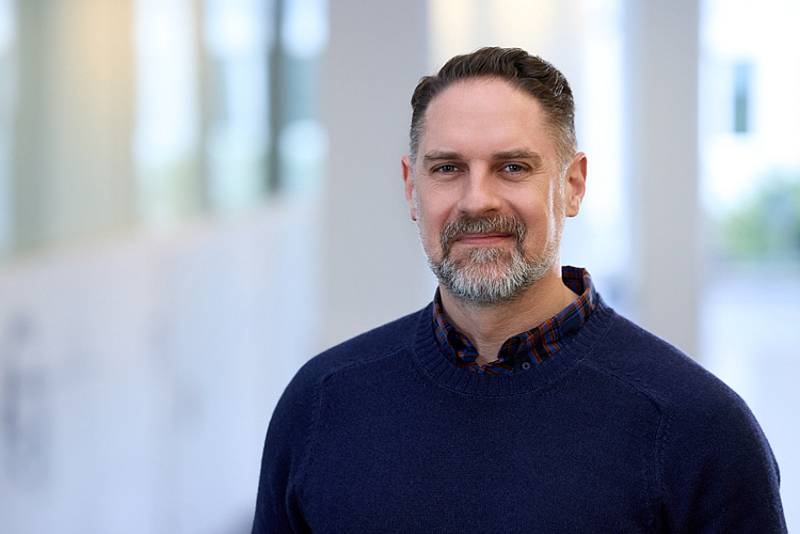
    Portrait Florian Kabinger

    “Having completed your master's degree, you have a wide range of options: you can continue with a doctoral degree or work in industry, for example, in quality management or other areas.”

    Florian Kabinger studied Molecular Biotechnology.


    Curriculum

    Module Bioinformatics, In Silico Biology & AI

    Bioinformatics, In Silico Biology & AI

    2 SWS   2 ECTS

    Learning results

    • Upon successful completion of the module, students are able to perform and critically analyze bioinformatic tasks, such as sequence alignments, substitution matrix applications, and PSSM usage, while overcoming common tool-related challenges.

    • Students demonstrate proficiency in navigating and using biological databases, conducting advanced searches, filtering data, and extracting actionable insights from genomic, proteomic, and literature resources.

    • Students are able to utilize generative AI tools (e.g., ChatGPT) for scientific tasks, including creating and refining prompts, critically evaluating their outputs, and applying foundational knowledge of machine learning and AI algorithms to biological data analysis.

    • Students are able to analyse and predict protein features (e.g., conserved domains, secondary and tertiary structures) using relevant algorithms and visualization tools, integrating insights into functional and structural biology.

    • Students can design and simulate virtual cloning experiments, including plasmid mapping, virtual restriction digests, primer design, and result interpretation, addressing common experimental challenges.

    • Students are skilled in data management and analysis, using SQL commands to import, join, query, and export biological datasets, ensuring robust integration and interpretation of in silico results.

    2 SWS
    2 ECTS
    Bioinformatics & AI | ILV

    Bioinformatics & AI | ILV

    2 SWS   2 ECTS

    Content

    • Foundational Bioinformatics Skills:
      Students understand and apply fundamental bioinformatic algorithms (e.g., sequence alignment, search methods) and interpret results critically, addressing common tool challenges.

    • Data Processing: Students utilize biological data, understand common file formats, and analyze sequences (DNA, RNA, proteins), including alignment and comparison of sequences.

    • Databases and Analysis: learn to work with biological databases, perform advanced search methods, and effectively filter and interpret results.

    • Generative AI: Introduction to generative AI models as a tool to support scientific work, create targeted prompts, and assess potential challenges in working with AI.


    Learning results

    • Students can understand and apply fundamental bioinformatic techniques (e.g., local and global sequence alignments, multiple sequence alignments, PSSMs, substitution matrices) and interpret results critically and overcome common tool challenges.

    • Students can effectively navigate and utilize diverse biological databases (e.g., literature, sequence data, genome browsers) to perform advanced searches and filter and analyze results.

    • Students can leverage generative AI tools like ChatGPT to support scientific tasks, create and refine prompts, and assess the strengths and limitations of such AI models.

    • Students are able to use basic SQL language commands to manage their own data and data from external sources to perform tasks such as data importing, joining and combining data from different sources, querying & filtering results and exporting the resulting data.

    Teaching method

    • Lectures with structured exercises

    • Dialogue and discussion

    • Group work

    • Individual Project work

    Examination

    Final exam: Final individual project work

    Teaching language

    Englisch

    2 SWS
    2 ECTS
    Module Communication, Culture & Bioethics

    Communication, Culture & Bioethics

    4 SWS   5 ECTS

    Learning results

    • Upon successful completion of the module, students are able to identify, describe, and critically reflect on bioethical issues, considering national and international dimensions and the ethical impact of technological advancements such as artificial intelligence (AI).

    • Students are able to evaluate ethical challenges in the life sciences, pharmaceutical, and biotech industries, articulating informed perspectives and integrating these principles into decision-making and professional responsibilities.

    • Students can work collaboratively in interdisciplinary and intercultural teams, leveraging diversity to address complex challenges, including those related to AI, while developing resilience and reflective practices for personal and professional growth.

    • Students are able to effectively communicate scientific and ethical concepts to diverse audiences, adapting their communication style and media to suit peers, professionals, and the general public, and engaging in meaningful discussions.

    • Students can critically evaluate the role of AI in biotechnology and scientific communication, identifying its applications and limitations while discussing its ethical implications, such as AI-generated content and its impact on societal trust and professional practices.

    • Students can lead discussions and projects on scientific and ethical topics in multicultural settings, integrating feedback, building networks, and promoting ethical practices in an evolving global landscape.

    4 SWS
    5 ECTS
    Bioethics | ILV

    Bioethics | ILV

    1 SWS   1 ECTS

    Content

    • Introduction to bioethical concepts and theories

    • Critical reflection of current bioethical issues relevant to the life sciences/pharmaceutical/ biotech industries

    • Ethics in emerging technologies (eg artificial intelligence and other innovations relevant to the professional field)

    • Responsibility (individual, societal, professional) and preparedness to act ethically in alignment with these responsibilities

    • Open debate on global dimensions and multidimensional perspectives of key issues of bioethical concern

    • Insights into the Ethics Committee of FH Campus Wien

    Learning results

    • Students are informed about and can describe the (bio-)ethical characteristics specific to the life sciences/pharmaceutical/biotech industries.

    • Students can reflect on bioethical issues independently and critically and can articulate these reflections effectively.

    • Students are aware of the national and international dimensions of bioethical issues, can consider multiple perspectives, and are able to actively contribute to open, meaningful debate about such issues.

    • Students can discuss the ethical impact of new development trends relevant to their professional field (e.g. opportunities/limitations/challenges of artificial intelligence).

    • Students can explain their personal, societal, and professional responsibilities in addressing current and future bioethical global concerns and are prepared to act accordingly.

    Teaching method

    • Lecture with activating methods,
    • group work,

    • discussion,

    • work assignments with (peer) feedback,

    • presentation,

    • reflection,

    • blended learning

    Examination

    Continuous assessment: All course tasks are assessed and contribute to the final mark: including active participation in the in-class sessions, in group discussions, written individual & group tasks, self-study/-reflection, blended learning.

    Teaching language

    Englisch

    1 SWS
    1 ECTS
    Interdisciplinary and Intercultural Team Dynamics | ILV

    Interdisciplinary and Intercultural Team Dynamics | ILV

    1 SWS   1 ECTS

    Content

    • Onboarding workshop with final group presentation.

    • Students become acquainted with each other through a guided process, which takes their various educational biographies and diverse national and cultural backgrounds into account.

    • They experience, through mutual exchange, the strengths and weaknesses that may/will play a role in the short-term (duration of their studies), mid-term (3-5 years after their studies; professional orientation) and long-term (future profession).

    • They build self-directed teams which utilize the diversity at hand as a resource. They learn to understand the advantages of both individual and team-based learning and working.

    • They recognize the richness of the diversity within their (studies) peer-group as well as synergies at all levels and are encouraged to develop their own professional network which can be of beneficial use in the short and midterm, at home or abroad and their career start in an international and interdisciplinary, research-intensive and innovative sector.

    • They are also encouraged to recognize their own personal/private network which can also be of use in the short-, mid- and long-term.

    • They can, in collaborative groups, generate and integrate knowledge, solutions and courses of action based on real perceived challenges, selected by themselves, from their studies and future professional life and tasks derived therefrom.

    • They can see and appreciate multiple perspectives as an approach to understanding complex challenges in the interdisciplinary and intercultural environment of biotechnology.

    • They are aware of the benefits of continuous reflection (individually and/or teams) in order to benefit from potential opportunities and to develop and apply resilience and coping strategies against potential threats.

    • They are encouraged to be open, tolerant and flexible towards the new and unfamiliar.

    • They are introduced to the use of AI in Biotechnology and scientific communication and are encouraged to continuously critically analyze their use of AI as well as the general use of AI.

    • They become acquainted with the multifaceted educational biographies and diverse cultural backgrounds of the degree program's lecturers.

    Learning results

    • Students can effectively collaborate in self-directed, diverse teams, leveraging individual and collective strengths for both academic and professional success.

    • Students can describe and utilize the richness of diversity within their peer group, recognizing synergies and building a professional network beneficial for their career.

    • Students can generate and integrate knowledge and solutions collaboratively, addressing real-world challenges from their studies and future professional tasks, including the critical analysis and application of AI in Biotechnology.

    • Students can analyze a nd appreciate multiple perspectives, enhancing their understanding of complex challenges in an interdisciplinary and intercultural biotechnology environment, while critically evaluating the role of AI in these contexts.

    • Students can continuously reflect on their experiences and develop resilience and coping strategies, benefiting from potential opportunities and mitigating potential threats, including those related to the ethical and effective use of AI.

    Teaching method

    • Lecture

    • Dialogue and discussion

    • Individual work

    • Collaborative learning

    • Problem-based learning

    • Project work

    • Public speaking and presentation

    • Research-based learning

    Examination

    Continuous assessment: Participation

    Teaching language

    Englisch

    1 SWS
    1 ECTS
    Scientific Communication I  | ILV

    Scientific Communication I  | ILV

    2 SWS   3 ECTS

    Content

    • The students learn to work alone and in varying teams within a group containing colleagues from various international and cultural backgrounds.

    • They begin the course by assessing their English language levels (listening, reading, speaking and writing) according to the 'Common European Framework for Reference of Languages'.

    • The students undertake a guided self-assessment of their previous project experience working in teams, as well as their (scientific) communication experience and identify those areas that require improvement.

    • Students are introduced to Continuous Professional Development (CPD) and are encouraged to personally implement it for their future careers.

    • They improve - and learn the importance of - their communication of scientific topics and proposals relevant to their field of studies clearly using the appropriate supporting media, and deal with arising questions (individually and in teams) and how to modulate this, depending on which audience they are communicating with (peer, lay, professional etc.).

    • They learn how to be objectively critical when assessing their own and their peers' presentation performance, both in a live and in a retrospective situation (video self-assessment and -reflection) taking international professional etiquette into account.

    • They discuss scientific/ethical topics, justifying their standpoint, and on occasion take the lead by presiding over these discussions in an international or multicultural group.

    • They critically analyze and understand the scientific literature (scientifically and linguistically).

    • They critically discuss and reflect on the positive and problematic use of AI in scientific communication and are encouraged to continuously critically analyze its use.

    • They learn about the processes of scientific publishing (impact factor, open access ...).

    • They form small, highly functioning teams which design and manage a substantial piece of independent scientific/ethical research taking intercultural and competence diversity into account.

    • They may design and maintain a webpage. They are always aware of the international and inter- & transcultural importance to their chosen field.

    Learning results

    • Students can effectively communicate scientific topics to diverse audiences, tailoring their communication style depending on the audience (e.g. peers, lay audiences, professionals)and using appropriate supporting media for their communication.

    • Students can critically analyze and discuss, and lead discussions, on scientific and ethical topics in a diverse (international or multicultural) setting, justifying their standpoint.

    • Students can critically and objectively analyse their own and their peers' presentation performance, both in live and retrospective situations using self-assessment and reflection taking international professional etiquette into account. They also understand professional etiquette in an international context e.g. how different cultures might approach giving and receiving feedback.

    • Students can work effectively in diverse teams to design and manage a substantial piece of independent scientific/ethical research including considering intercultural and competence diversity within their teams.

    • Students understand and can critically analyze the use of AI in scientific communication, including both its positive and problematic aspects. They can identify situations where AI can be beneficial as well as situations where it can be problematic and can discuss the ethical implications of AI-generated text and images.

    Teaching method

    • Guided self-reflection

    • Peer-feedback

    • Lecture with structured exercises

    • Dialogue and discussion

    • Individual work

    • Collaborative learning

    • Supervised distance learning

    • Self-study

    • Blended learning

    • Problem-based learning

    • Project work

    • Research-based learning

    • Public Speaking and Presentation

    Examination

    Continuous assessment: Each task is assessed

    Teaching language

    Englisch

    2 SWS
    3 ECTS
    Module Drug Development

    Drug Development

    1 SWS   2 ECTS

    Learning results

    • Upon successful completion of the module, students are able to explain the stages of clinical drug development, including trial design (e.g., RCTs, epidemiological studies), ethical considerations, and the regulatory framework established by EMEA, FDA, and ICH.

    • Students can rationalize and conceptualize screening library designs, evaluate synthetic and natural product pools, and assess the impact of these designs on drug development strategies and screening methodologies.

    • Students are able to classify and apply screening technologies, including high-throughput screening, target identification, hit-to-lead development, and lead optimization, using methods such as fluorescence and genotoxicity assays.

    • Students can discover, select, and engineer biologicals, including monoclonal antibodies, bispecific antibodies, nanobodies, and antibody-drug conjugates, along with methods for their production and quality control.

    • Students can critically assess scientific and ethical issues in clinical research and drug development, including the role of advanced therapy medicinal products (ATMPs), drug repurposing, and considerations for special populations in clinical trials.

    • Students can apply analytical characterization techniques for biologicals, including biosimilars, and evaluate emerging technologies and quality control methods used in their production and regulation.

    1 SWS
    2 ECTS
    Clinical Drug Development | ILV

    Clinical Drug Development | ILV

    1 SWS   2 ECTS

    Content

    • Classes of Pharmaceuticals (biopharmaceuticals and small-molecule drugs)

    • Case studies: Clinical development of selected drugs

    • Clinical drug development process

    • Selected aspects of drug discovery and preclinical development

    • Overview clinical study designs, outcomes and inclusion/exclusion criteria

    • Randomized Controlled Trials (RCTs): Randomization, Blinding and Placebos

    • Epidemiological study designs

    • Conduct of clinical trials, data analysis and interpretation

    • Ethical aspects, the origins and principles of Good Clinical Practice (GCP)

    • Regulatory bodies, international regulations (EMEA, FDA, ICH)

    • Phase IV/post-marketing surveillance, life cycle management

    • Interfaces: Regulatory Affairs and Pharmacovigilance, Marketing and Product Life Cycle Management

    • Special chapters: Advanced Therapy Medicinal Products (ATMPs), repurposing, special populations

    Learning results

    • Students can describe clinical drug development and its integration in the overall development process of medicinal products.

    • Students can explain the design of clinical trials such as RCTs and epidemiological study types, and their

    • Students can discuss ethical aspects of clinical trial conduct and the application of Good Clinical Practice (GCP) guidelines.

    • Students can outline of the role of advanced therapy medicinal products (ATMPs), repurposing and the importance of special populations in clinical studies.

    • Students are able to discuss current scientific and ethical topics related to clinical research in a global context.

    Teaching method

    • Lecture with structured exercises

    • Dialogue and discussion

    • Group work

    • Blended learning

    • Guest lectures

    Examination

    Final exam: Exercises during class, exam

    Teaching language

    Englisch

    1 SWS
    2 ECTS
    Module Genetics, Gene Therapy & Precision Medicine

    Genetics, Gene Therapy & Precision Medicine

    5.5 SWS   8 ECTS

    Learning results

    • Upon successful completion of the module, students are able to explain the mechanisms of gene regulation and molecular processes across DNA, RNA, and protein levels, including transcriptional, post-transcriptional, and epigenetic regulation in prokaryotic and eukaryotic systems.

    • Students are able to select and evaluate appropriate molecular methods and analytical panels for diagnosing genetic diseases, assessing their applications, limitations, and reliability in precision medicine and medical genetics.

    • Students are able to describe the structural diversity and catalytic roles of RNA, including its modifications, processing mechanisms, and their impact on translation, gene expression, and disease pathology.

    • Students are able to critically evaluate gene therapy modalities and RNA-based therapeutic applications, understanding their clinical phases, limitations, and potential for treating genetic disorders and complex diseases.

    • Students can apply the principles of precision medicine by integrating genetic and biomarker data to develop personalized diagnostic and treatment strategies for patients.

    • Students are able to analyze and discuss the ethical, clinical, and commercial aspects of advanced therapies and precision medicine, considering their opportunities, limitations, and impact on healthcare systems and society.

    5.5 SWS
    8 ECTS
    Medical Genetics | VO

    Medical Genetics | VO

    2 SWS   3 ECTS

    Content

    During this course following topics will be discussed:

    • monogenetic diseases and modes of inheritance
    • methods in genetic diagnostics - from sample to report
    • basics in data analysis and data interpretation
    • cytogenetics, prenatal diagnostics, tumor genetics, gene therapy
    • ethics of medical genetics

    The students will learn the basics of medical genetics, underlying molecular mechanisms and will be introduced into the workflow of modern genetic diagnostics. Finally, the new knowledge will be applied to solve cases.

    Learning results

    • Students can differentiate between hereditary and somatic mutations.

    • Students can name the limitations of molecular methods currently applied in medical diagnostics.

    • Students are able to select a suitable molecular technique for a given genetic disease.

    • Students have gained sufficient understanding of applications, limitations and ethics in medical genetics to actively take part in discussions.

    • Students have fundamental knowledge about genetic diseases, underlying molecular mechanisms and corresponding molecular methods.

    Teaching method

    • Lecture with structured exercises

    • Dialogue and discussion

    • Supervised distance learning

    • Self-study

    • Blended learning

    • Flipped classroom

    • Problem-based learning

    Examination

    Final exam: Written exam (multiple choice and open questions)

    Teaching language

    Englisch

    2 SWS
    3 ECTS
    Molecular Genetics | VO

    Molecular Genetics | VO

    1.5 SWS   2 ECTS

    Content

    • Fundamental features of genetics and genetic engineering

    • Different levels of regulation of gene expression in pro- and eukaryotes

    • Transcriptional regulation (transcription in eukaryotes, transcriptional activation, properties of transcription factors, methods for analysis of transcription factors and regulatory regions)

    • Posttranscriptional regulation (splicing, transport, stability of mRNA, translational control)

    • Effects of chromatin (composition, histone modifications, regulation, epigenetics)

    • - Methods for analysis of genetics and gene regulation in vitro and in vivo

    Learning results

    • Students are able to describe the different levels of regulation of gene expression in prokaryotes and eukaryotes.

    • Students can describe the mechanisms of transcriptional regulation, including transcription in eukaryotes, transcriptional activation, properties of transcription factors, and methods for analyzing transcription factors and regulatory regions.

    • Students are able to explain the processes involved in posttranscriptional regulation, such as splicing, mRNA transport, stability, and translational control.

    • Students can explain the effects of chromatin composition, histone modifications, chromatin regulation, and epigenetics on gene expression.

    • Students can discuss various methods for analyzing genetics and gene regulation both in vitro and in vivo.

    Teaching method

    Lecture

    Examination

    Final exam: Written exam on the computer (multiple choice)

    Teaching language

    Englisch

    1.5 SWS
    2 ECTS
    RNA | VO

    RNA | VO

    2 SWS   3 ECTS

    Content

    • RNA Structure: Examines primary to tertiary structures and the role of the 2'-OH group.

    • RNA Modifications: Covers post-transcriptional alterations affecting translation and antibiotic resistance.

    • Catalytic Capabilities: Focuses on ribozymes and their role in essential reactions like splicing.

    • RNA Processing: Includes capping, polyadenylation, RNA editing, and alternative splicing.

    • Regulatory Mechanisms: Discusses RNA binding motifs and their roles in RNA metabolism.

    • Therapeutic Applications: Explores antisense oligonucleotides, ribozymes, RNA aptamers, and mRNA vaccines.

    • RNA World Hypothesis: Investigates the early stage of life where RNA served as genetic material and catalysts.

    Learning results

    • Students are able to explain the structural diversity of RNA, from primary to tertiary structures, and understand the significance of RNA's 2'-OH group in enabling this diversity and its enzymatic activity.

    • Students are able to describe the various RNA modifications and their impact on processes such as translation and antibiotic resistance.

    • Students are able to analyze the catalytic capabilities of RNA, with a focus on ribozymes and their role in essential reactions like splicing.

    • Students are able to understand and explain the mechanisms of RNA processing, including capping, polyadenylation, RNA editing, and alternative splicing, and their contributions to the complexity of the proteome.

    • Students are able to evaluate the therapeutic and diagnostic applications of RNA, including antisense oligonucleotides, ribozymes, RNA aptamers, and mRNA vaccines, and discuss the RNA World hypothesis and its implications for the evolution of life.

    Teaching method

    Lecture

    Examination

    Final exam: Written exam

    Teaching language

    Englisch

    2 SWS
    3 ECTS
    Module Medical Genetics & RNA Labs

    Medical Genetics & RNA Labs

    6 SWS   6 ECTS

    Learning results

    • Upon successful completion of the module, students are able to execute key molecular techniques such as PCR, immunohistochemistry (IHC), oligonucleotide-based analyses, and Northern Blot to investigate gene expression and genetic variations.

    • Students are able to analyze mutations in specific genes, such as CF and oncogenes, and assess RNA stability and integrity under various conditions using appropriate experimental approaches (e.g., EMSA and RNA integrity assays).

    • Students are able to apply quantitative PCR (qPCR) and Electrophoretic Mobility Shift Assay (EMSA) techniques to quantify RNA levels, assess gene expression changes, and detect RNA-protein interactions in diverse experimental settings.

    • Students are able to analyze experimental research data, interpret results, and synthesize findings into well-structured scientific lab reports, demonstrating clarity, precision, and scientific rigor.

    • Students can demonstrate proficiency in laboratory workflows, including RNA extraction, gel electrophoresis, hybridization, and in vitro transcription, while adhering to good laboratory practices (GLP) and ensuring data reliability.

    • Students are able to critically discuss and evaluate the principles, applications, and limitations of molecular and RNA-based methods, demonstrating the ability to engage in evidence-based scientific discussions.

    6 SWS
    6 ECTS
    Medical Genetics Lab | UE

    Medical Genetics Lab | UE

    3 SWS   3 ECTS

    Content

    • Introduction to Genetic Analysis Methods:
      - Explanation and practical implementation of various genetic analysis techniques.

    • Reverse Transcriptase Polymerase Chain Reaction (RT-PCR):
      - Detection of leukemia-associated fusion transcripts.

    • Gene Amplification and Hybridization Techniques:
      - Use of immobilized, allele-specific oligonucleotides for mutation detection in the cystic fibrosis gene.

    • Real-Time Polymerase Chain Reaction (RT-PCR):
      - Identification of BRAF and KRAS mutations in cancer cells.
      - Categorization of patients with poorer prognosis based on these mutations.

    • Breast Cancer Clinical Classification:
      - Classification based on the expression of:
      - Estrogen and progesterone receptors (ER and PR).
      - Human epidermal growth factor receptor 2 (HER2).
      - Percentage of Ki67-positive cancer nuclei.

    • Immunohistochemistry:
      - Analysis of selected factors.
      - Examination of expression patterns in various molecular subtypes of breast cancer.

    Learning results

    • Students are able to perform PCR, IHC, and oligonucleotide-based genetic analyses.

    • Students are able to analyze mutations in a specific CF gene and various oncogenes.

    • Students are able to discuss various genetic methods scientifically.

    Teaching method

    • The theoretical basis of each of the analyses conducted in the laboratory is explained in a preceding seminar.
    • Students conduct genetic analyses according to detailed reports provided by the lecturers.
    • Laboratory results are discussed with lecturers at the end of each unit and are summarized in a report whose structure corresponds to that of a scientific paper.

    Examination

    Continuous assessment: presence, motivation, participation, practical skills (results), written report.

    Teaching language

    Englisch

    3 SWS
    3 ECTS
    RNA Analysis Lab | UE

    RNA Analysis Lab | UE

    3 SWS   3 ECTS

    Content

    • General RNA Handling Procedures
    • Experiment 1: Northern Blot: This experiment investigates the differential expression of the GAL1 gene in yeast (Saccharomyces cerevisiae) grown in media containing either glucose or galactose. (glucose/galactose metabolism in yeast, RNA extraction from yeast, denaturing RNA agarose gel, RNA transfer, specific oligonucleotide hybridization, band detection, quantitative PCR)
    • Experiment 2: Band Shift - EMSA: This experiment focuses on detecting the interaction between human Y RNA and the La protein using the Electrophoretic Mobility Shift Assay (EMSA), also known as a band shift assay. (in vitro transcription with T7 RNA polymerase, RNA purification, RNA folding, native poly-acrylamide gel electrophoresis, RNA staining using methylene blue, detection of RNP complexes)
    • Experiment 3: RNA Stability: This experiment explores the inherent instability of RNA compared to DNA. (temperature dependence, pH dependence, RNAses)

    Learning results

    • Students are able to perform Northern Blot analysis to investigate gene expression, including RNA extraction, gel electrophoresis, RNA transfer, and hybridization techniques.

    • Students are able to conduct Electrophoretic Mobility Shift Assays (EMSA) to detect RNA-protein interactions, including in vitro transcription, RNA purification, and native gel electrophoresis.

    • Students are able to analyze the stability of RNA under various conditions, understanding the effects of temperature, pH, and RNase activity on RNA integrity.

    • Students are able to apply quantitative PCR techniques to quantify RNA levels and assess differential gene expression in various experimental conditions.

    • Students are able to analyse gained research data and summarize their results in a scientific lab report.

    Teaching method

    Laboratory

    Examination

    Continuous assessment: presence, motivation, participation, practical skills (results), written report.

    Teaching language

    Englisch

    3 SWS
    3 ECTS
    Module Molecular Immunology, Virology & Infection Biology

    Molecular Immunology, Virology & Infection Biology

    2 SWS   2 ECTS

    Learning results

    • Upon successful completion of the module, students are able to analyse the complex interactions between pathogens and the human host, including the molecular, cellular, and immunological mechanisms of host defense and pathogen colonization.

    • Students can describe pathogenetic mechanisms, virulence factors, and the cellular and systemic effects of infectious agents, as well as the clinical manifestations and immune responses in infectious diseases.

    • Students are able to identify and assess diagnostic tests, therapeutic antibodies, and treatment possibilities, understanding their concepts and applications for future innovations in diagnostics, drug development, and vaccines.

    • Students can discuss viral replication strategies, gene transfer technologies, and immuno-oncology therapies, critically evaluating their significance in molecular biology and medicine.

    • Students are able to demonstrate teamwork and knowledge-sharing skills, contributing effectively to scientific discussions and projects in virology, immunology, and infection biology within international and interdisciplinary contexts.

    • Students can critically evaluate current topics in virology and immunology research, including their applications in medicine, such as vaccine methodologies and novel therapeutic approaches.

    2 SWS
    2 ECTS
    Molecular Immunology | VO

    Molecular Immunology | VO

    2 SWS   2 ECTS

    Content

    • Fundamental concepts of immunity

    • Immunologic tolerance and autoimmunity

    • Immunity to microbes

    • Transplantation immunology

    • Immunity to tumors

    • Hypersensitivity disorders

    • Allergy

    • Congenital and acquired immunodeficiencies

    • Immunotherapy and immunological methods

    • Aging of the immune system

    • Active and passive vaccine methodology

    Learning results

    • Students can discuss in-depth clinically relevant topics in human immunology.

    • After completing the course, the students can describe therapeutic procedures in immunoncology.

    • After completing the course, the students can explain vaccination methodology.

    • After completing the course, the students can discuss the creation of therapeutic antibodies.

    Teaching method

    Lectures, interactive discussions between students and lecturer. 

    Examination

    Final exam: Multiple choice questions and short assay answers; scoring system

    Teaching language

    Englisch

    2 SWS
    2 ECTS
    Module Molecular Pathology

    Molecular Pathology

    3 SWS   5 ECTS

    Learning results

    • Upon successful completion of the module, students are able to explain the definition, etiology, and pathogenesis of diseases, including the cellular and molecular mechanisms underlying pathological and systemic effects on organs and the organism.

    • Students can analyze and apply diagnostic techniques and therapeutic strategies, integrating systematics and nomenclature of diseases into real-world clinical and research contexts.

    • Students can describe molecular pathology, including aberrant signal transduction, malignancy of tumor cells, and hematopoietic stem cell involvement in hematological diseases.

    • Students are able to describe and compare signaling pathways in healthy and malignant cells, analyze aspects of cell migration and metastasis, and assess their implications in disease progression.

    • Students can discuss advanced technologies such as tissue printing, cell engineering, and organoid formation, and distinguish between normal and aberrant stem cell development.

    • Students can critically evaluate evolving diagnostic and therapeutic approaches, applying this understanding to specific diseases and innovative biomedical solutions.

    3 SWS
    5 ECTS
    General Pathology | VO

    General Pathology | VO

    1 SWS   2 ECTS

    Content

    • Principles of General Pathology, including the causes and development of pathological processes and diseases at cellular, tissue, and organism levels.

    • Systemic/Special Pathology, including the courses of illness and symptoms, with their respective morphological alterations and clinicopathological findings.

    • Systematics and Nomenclature of Diseases

    • Diagnostic and Therapeutic Strategies and their application to pathological conditions.

    Learning results

    • Students can discuss the definition, etiology, and pathogenesis of diseases, including the cellular and molecular mechanisms underlying pathological processes.

    • Students can analyse and recognize the local and systemic effects of pathological processes on organs and the whole organism.

    • Students understand and can describe important diagnostic techniques and therapeutic strategies and can explain their application to specific diseases.

    • Students can describe and explain the systematics and nomenclature of diseases, integrating this knowledge into applied diagnostic and therapeutic contexts.

    • Students are able to critically evaluate and apply diagnostic and therapeutic approaches to real-world examples of diseases.

    Teaching method

    • Lecture

    • Dialogue and discussion

    Examination

    Final exam: Written exam

    Teaching language

    Englisch

    1 SWS
    2 ECTS
    Molecular Pathology | VO

    Molecular Pathology | VO

    2 SWS   3 ECTS

    Content

    • Cell movement of neoplastic cells

    • Duality of cancer cell signaling

    • Metastasis

    • Molecular mechanisms of reproductive diseases

    • Development and function of maternal breast, uterus and placenta

    • Stem cells and organoids

    • Cell engineering (tissue printing and organoids)

    • Hematopoiesis, hematological diseases and their treatment

    Learning results

    • Students can discuss the molecular pathology of diverse organs.

    • Students can discuss the malignancy of tumor cells as well as advanced insights about aberrant signal transduction in cancer cells and reproductive tissues.

    • Students can explain cell and tissue engineering as well as stem cell development in hematopoiesis and its involvement in the emergence of hematological diseases.

    • Students can describe dual processes of signal transduction in healthy and malignant cell types and explain aspects of cell migration and metastasis.

    • Students can describe evolving technologies in tissue printing, cell engineering, and organoid formation as well as differences in normal versus aberrant stem cell development.

    Teaching method

    • Lecture

    • Dialogue and discussion

    Examination

    Final exam: Written exam with open questions

    Teaching language

    Englisch

    2 SWS
    3 ECTS

    Module Bioinformatics, In Silico Biology & AI

    Bioinformatics, In Silico Biology & AI

    3 SWS   3 ECTS

    Learning results

    • Upon successful completion of the module, students are able to perform and critically analyze bioinformatic tasks, such as sequence alignments, substitution matrix applications, and PSSM usage, while overcoming common tool-related challenges.

    • Students demonstrate proficiency in navigating and using biological databases, conducting advanced searches, filtering data, and extracting actionable insights from genomic, proteomic, and literature resources.

    • Students are able to utilize generative AI tools (e.g., ChatGPT) for scientific tasks, including creating and refining prompts, critically evaluating their outputs, and applying foundational knowledge of machine learning and AI algorithms to biological data analysis.

    • Students are able to analyse and predict protein features (e.g., conserved domains, secondary and tertiary structures) using relevant algorithms and visualization tools, integrating insights into functional and structural biology.

    • Students can design and simulate virtual cloning experiments, including plasmid mapping, virtual restriction digests, primer design, and result interpretation, addressing common experimental challenges.

    • Students are skilled in data management and analysis, using SQL commands to import, join, query, and export biological datasets, ensuring robust integration and interpretation of in silico results.

    3 SWS
    3 ECTS
    In silico Biology & AI | ILV

    In silico Biology & AI | ILV

    3 SWS   3 ECTS

    Content

    • Protein function: Analysis and predictions of protein features, such as conserved domains & protein families, GO terms, transmembrane helixes, cellular sorting signals, glycosylation and working with the associated databases

    • Protein structure: Prediction of protein secondary and tertiary structures using different algorithms and comparison of results and visualize 3D structures

    • Virtual cloning: Plan cloning experiments, draw plasmid maps, simulate restriction digests and run virtual gels.

    • Primer design: learn how to use primer design software and understand issues in primer design

    • Introduction to Machine learning and AI algorithms and how to use them

    Learning results

    • Students can analyze and predict protein features, including conserved domains, protein families, Gene Ontology (GO) terms, transmembrane helices, cellular sorting signals, and glycosylation sites, using relevant databases.

    • Students can predict and compare protein secondary and tertiary structures with different algorithms and visualize 3D structures.

    • Students can design virtual cloning experiments, including drawing plasmid maps, running virtual restriction digests, and interpreting results.

    • Students can apply primer design tools to develop primers while addressing common design challenges.

    • Students can use their foundational knowledge of machine learning and AI algorithms and apply them to analyze biological data.

    Teaching method

    • Lectures with structured exercises

    • Dialogue and discussion

    • Group work

    • Individual Project work

    Examination

    Final exam: Final individual project work

    Teaching language

    Englisch

    3 SWS
    3 ECTS
    Module Drug Development

    Drug Development

    2 SWS   3 ECTS

    Learning results

    • Upon successful completion of the module, students are able to explain the stages of clinical drug development, including trial design (e.g., RCTs, epidemiological studies), ethical considerations, and the regulatory framework established by EMEA, FDA, and ICH.

    • Students can rationalize and conceptualize screening library designs, evaluate synthetic and natural product pools, and assess the impact of these designs on drug development strategies and screening methodologies.

    • Students are able to classify and apply screening technologies, including high-throughput screening, target identification, hit-to-lead development, and lead optimization, using methods such as fluorescence and genotoxicity assays.

    • Students can discover, select, and engineer biologicals, including monoclonal antibodies, bispecific antibodies, nanobodies, and antibody-drug conjugates, along with methods for their production and quality control.

    • Students can critically assess scientific and ethical issues in clinical research and drug development, including the role of advanced therapy medicinal products (ATMPs), drug repurposing, and considerations for special populations in clinical trials.

    • Students can apply analytical characterization techniques for biologicals, including biosimilars, and evaluate emerging technologies and quality control methods used in their production and regulation.

    2 SWS
    3 ECTS
    Biologicals | VO

    Biologicals | VO

    1 SWS   2 ECTS

    Content

    • Concepts and approaches in biologicals discovery and s for analytical characterization

    • Similarities and differences between biologicals and small molecule drugs

    • Selection and engineering of monoclonal antibodies

    • Concepts and approaches in analytical characterization of biologicals

    • Development of biosimilars

    • Various systems and approaches for industrial production of biologicals

    • Antibody-drug conjugates and bispecific antibodies as new approaches in the field of biologicals

    Learning results

    • Students can describe the basic concepts and approaches in biologicals discovery and development.

    • Students can explain selection and engineering of monoclonal antibodies.

    • Students can discuss the concepts and methods applied in biologics production and quality control.

    • Students can describe methods and approaches for analytical characterization of biologicals, including biosimilars.

    • Students can discuss the main emerging concepts in the area of biologicals like bispecific antibodies, nanobodies and antibody-drug conjugates.

    Teaching method

    Lecture

    Examination

    Final exam: A number of questions have to be answered that cover the LOs of the course

    Teaching language

    Englisch

    1 SWS
    2 ECTS
    Drug Screening & Development Methodologies | VO

    Drug Screening & Development Methodologies | VO

    1 SWS   1 ECTS

    Content

    • Pharmacokinetic and Pharmacodynamic based structure optimization

    • Structure based Drug Development and Screening Library Design

    • Principles of Combinatorial and Parallel Chemistry - Realization of Screening Libraries

    • Targeted Drug Development Approaches

    • Traditional Drug-Screening Approaches (incl. HTS) and their Limitations

    • Fragment Based Screening and Modern Screening Perspectives

    • Molecular Descriptors and Structure Pool Refinement

    • Natural Product Isolation and Principles

    • Principles of High-Resolution Mass Spectrometry and HRAM-Based Drug Screening

    • Target identification & validation

    • High Throughput Screening

    • Hit to lead and lead optimization

    • High Content Screening

    Learning results

    • Students are able to rationalize and conceptualise impact of systematic structure variation in screening library design proposals (incl. synthetic vs natural product pools) on pharmacological test compound properties.

    • Students are able to classify applicability of different drug development and library realization approaches (i.a. synthetic combichem, parallel chemistry, fragment-type or natural product libraries) for specifically given development strategy basic requirements.

    • Students are able to correlate type and size of screening libraries and proposed success rate with the type of screening technology and development strategy, and performance potential of synthetic methodologies to create size and diversity of screening libraries.

    • Students understand target identification and validation. Including forward and reverse screening, target modulation strategies, and reverse docking approaches.

    • Students can explain high throughput screening and instrumentation; Hit to Lead & Lead Optimization, High Content Screening including Target Based Assay Development (fluorescence/luminescence assays, genotox & mutagenic assays etc.)

    Teaching method

    • Lecture,

    • Self-Study,

    • Other: Application and Case Study based learning

    Examination

    Final exam: Written exam, i.a. multiple choice, cloze, term assignment

    Teaching language

    Englisch

    1 SWS
    1 ECTS
    Module Electives 1

    Electives 1

    2 SWS   2 ECTS

    Learning results

    • Upon successful completion of the module, students are able to analyze, interpret, and critically appraise complex scientific research papers from high-quality journals in either of RNA research, drug discovery, or molecular immunology, identifying significant findings, potential weaknesses, and limitations.

    • Students can present and discuss the background, methodologies, key findings, and conclusions of scientific publications in a peer-group setting, fostering collaborative learning and evidence-based debate.

    • Students can discuss in-depth current and emerging topics in either RNA research, drug discovery, or molecular immunology, developing the ability to identify high-quality sources, evaluate their significance, and contribute informed opinions in academic discussions.

    • Upon successful completion of the module, students are able to explain the principles of targeted and personalized therapies, including the use of biomarkers, kinase inhibitors, and hormone receptor activation, as well as the molecular mechanisms of oncogenes, tumorigenesis, and immunotherapy.

    • Students can identify and compare different vaccine types, understand the steps in vaccine design and production (from antigen selection to industrialization), and evaluate challenges in GMP manufacturing and vaccine policy. Digitalization ? Internationalization? Ethics? Sustainability

    • Students can discuss current trends in drug discovery and vaccinology, critically assessing historical and emerging approaches, including mRNA vaccines, adjuvants, and the impact of herd immunity and vaccine hesitancy on public health.

    2 SWS
    2 ECTS
    Electives 1 (1 ECTS of your choice)
    Drug Discovery Seminar | SE

    Drug Discovery Seminar | SE

    1 SWS   1 ECTS

    Content

    • Course Focus: Research papers from high-quality, internationally respected journals in the field of Drug Discovery.

    • Student Activities:
      - Independently read assigned research papers.

    • Seminar Format: Peer-group discussions.

    • Discussion Topics:
      - Present the background, key findings, and conclusions of the papers.
      - Analyze the strengths and weaknesses of the publications.
      - Propose suggestions for improvements.

    Learning results

    • Students can discuss in-depth current and significant topics in the field of Drug Discovery through the study of high-quality research papers.

    • Students are able to understand, summarize, interpret, and critically appraise complex scientific research papers from internationally respected journals.

    • Students are able to identify appropriate and valid sources of high-quality research publications and evaluate their significance in the field.

    • Students are able to express their own opinions in peer-group discussions and debate the merits and drawbacks of research projects.

    • Students are able to more critically analyze and evaluate scientific literature.

    Teaching method

    Dialogue and discussion

    Examination

    Continuous assessment: The presentation and discussion of research papers will be evaluated.

    Teaching language

    Englisch

    1 SWS
    1 ECTS
    Molecular Immunology Seminar | SE

    Molecular Immunology Seminar | SE

    1 SWS   1 ECTS

    Content

    • Reading and understanding of research papers from internationally respected high-quality journals from the field of Molecular Immunology

    • Presenting of background, the most important findings and the conclusions of scientific publications

    • Discussions of the strengths and the weaknesses of publications

    • Suggesting how research papers could be improved

    Learning results

    • Students can discuss in-depth "hot" topics from the internationally researched field of Molecular Immunology.

    • Students understand and can discuss complex scientific research papers taken from internationally respected high-quality journals from the field of Molecular Immunology.

    • Students can summarize, interpret and appraise the published data.

    • Students can identify outstanding research findings, but also possible weaknesses and limitations in scientific publications.

    • Students can express their own opinions about a publication and can discuss this with their peer group as well as established research scientists.

    Teaching method

    • Lecture

    • Dialogue and discussion

    • Individual work

    • Group work

    • Supervised distance learning

    • Self-study

    Examination

    Continuous assessment: Assessment of active participation in discussions of scientific publications

    Assessment of quality of slides that summarize a scientific publication

    Assessment of leading a discussion about on scientific publications

    Teaching language

    Englisch

    1 SWS
    1 ECTS
    RNA SE | SE

    RNA SE | SE

    1 SWS   1 ECTS

    Content

    • Course Content: Research papers from high-quality, internationally respected journals in RNA research.

    • Student Activities:
      - Select topics of interest.
      - Independently read assigned research papers.

    • Seminar Format: Peer-group discussions.

    • Discussion Focus:
      - Background, key findings, and conclusions of the papers.
      - Strengths and weaknesses of the publications.
      - Suggestions for potential improvements.

    Learning results

    • Students are able to critically analyze and interpret research papers from high-quality journals in the field of RNA research.

    • Students are able to effectively present and discuss the background, key findings, and conclusions of scientific publications in a peer-group setting.

    • Students are able to effectively present and discuss the background, key findings, and conclusions of scientific publications in a peer-group setting.

    Teaching method

    • Seminar

    • Topic preparation and peer-group discussion

    Examination

    Continuous assessment: Participation in discussion, Preparation of a specific topic

    Teaching language

    Englisch

    1 SWS
    1 ECTS
    Electives 2 (1 ECTS of your choice)
    Therapeutic Strategies | VO

    Therapeutic Strategies | VO

    1 SWS   1 ECTS

    Content

    • Signaling Pathways

    • Molecular biology of oncogenes and tumorigenesis

    • Basic concepts of personalized cancer therapy and targeted therapy including usage of biomarkers

    • Different types of immunogenic cell death and underlying therapeutic concepts

    • Kinases as therapeutic targets in oncology and other therapeutic areas

    Learning results

    • Students can describe kinases as therapeutic targets in oncology and other therapeutic areas.

    • Students can discuss modern concepts in drug discovery.

    • Students can explain the principles of activation of hormone receptors.

    • Students can describe the basic concepts of personalized cancer therapy and targeted therapy including usage of biomarkers.

    • Students can discuss the molecular biology of oncogenes, tumorigenesis and immunotherapy.

    Teaching method

    • Lecture

    • Dialogue and discussion

    • Problem-based learning

    Examination

    Final exam: Written exam

    Teaching language

    Englisch

    1 SWS
    1 ECTS
    Vaccine Development | VO

    Vaccine Development | VO

    1 SWS   1 ECTS

    Content

    • History of vaccines

    • Vaccine development from 'laboratory to market'

    • Deep dive into specific vaccines encompassing one example each but not limited to inactivated, attenuated, conjugated, VLP vaccines.

    Learning results

    • Students can identify different types of vaccines, compare live attenuated, inactivated, subunit, conjugate, and mRNA vaccines and understand differences in approaches.

    • Students can discuss historical and current trends in vaccinology.

    • Students can outline the steps in vaccine design, from antigen selection to preclinical testing, as well as explain the role of adjuvants.

    • Students can describe the challenges of GMP vaccine production, including concept of clinical trial manufacturing, upscaling and industrialization.

    • Students can explain the vaccine concepts like epidemiology, vaccine effectiveness, herd immunity, vaccine hesitancy, vaccine policy etc..

    Teaching method

    • Lecture

    • Dialogue and discussion

    • Group work

    • Research based learning

    Examination

    Final exam: Written exam

    Teaching language

    Englisch

    1 SWS
    1 ECTS
    Module Entrepreneurship

    Entrepreneurship

    4 SWS   4 ECTS

    Learning results

    • Upon successful completion of the module, students are able to analyze businesses from a strategic perspective, provide actionable recommendations for improvement, and understand how strategies are embedded within management systems.

    • Students can differentiate between management and leadership, critically evaluate various leadership styles, and apply these insights to address specific challenges in their respective industries or academic fields.

    • Students are able to assess opportunities and processes for securing intellectual property rights, understand the value of patents, and develop global protection strategies tailored to their business or research assets, with consideration for international agreements.

    • Students can write scientific reports, preparing and delivering presentations, and designing scientific posters, effectively conveying research outcomes to diverse audiences.

    • Students can work collaboratively in international and culturally diverse teams to design and execute projects, reflecting on teamwork experiences to enhance communication, conflict resolution, and problem-solving skills.

    • Students can critically evaluate their own and their peers' communication practices, identifying strengths and areas for development, while gaining practical skills in negotiation, argumentation, and persuasive communication applicable in both professional and academic contexts.

    4 SWS
    4 ECTS
    IP, Patent Law | VO

    IP, Patent Law | VO

    1 SWS   1 ECTS

    Content

    • What is Intellectual Property and why is it important? There is more than inventions!
    • Which forms of protection of intellectual property are available? - trademark, industrial design, copyright, utility model, complementary protection certificate, patent
    • What is a patent?
      - effects of a patent
      - what can be patented and what is excluded from patent protection?
      - what are the prerequisites for patent application/protection?
      - How to define an inventor? Rights and obligations of employee inventors
    • From application to patent grant
      - structure of a patent application
      - application and granting processes
      - protective reach and duration
      - legal measures
      - fees and costs
      - where to apply for a patent
    • Rights of patent owners and legal measures
    • International agreements (EP, PCT), important national differences
    • Biopatents - legal framework, important decisions
    • Freedom to Operate
    • Espacenet and other search tools and how to use it for patent and other IP research
    • Patent lawyer - the profession
    • Fundamentals in copyright
    • Fundamentals in industrial design and trademark
    • What are Trade Secrets?
    • IP-Strategies and decision making
    • Rough overview about important agreements- MTAs, CDAs, licensing contracts

    Learning results

    • Students can describe opportunities and processes of creating national and international intellectual property rights.

    • Students can explain the value of intellectual property and applicable instruments for protection.

    • Students can discuss the most relevant (international) agreements governing intellectual property rights.

    • Students can describe the process from patent application to grant and rights conferred by a patent to the patent owner.

    • Students are able to create and decide on global protection strategies of their assets, specifically in view of future partnering and financing.

    Teaching method

    Lectures with interactive elements and discussions, actual cases will be discussed in more detail, individual case study and presentation of learnings

    Examination

    Final exam: Written exam

    Teaching language

    Englisch

    1 SWS
    1 ECTS
    Scientific Communication II | ILV

    Scientific Communication II | ILV

    2 SWS   2 ECTS

    Content

    This course is designed to enhance students' communication, teamwork, and critical thinking skills through a series of reflective, practical, and diverse activities. Students will engage in various exercises that emphasize the importance of clear communication, peer feedback, and working in culturally diverse teams:

    • Students reflect on teamwork experiences and the significance of clear, transparent communication.

    • They evaluate their and their peers' personal communication skills, considering the audience and context.

    • They collaborate in small international and culturally diverse teams and prepare and deliver research project presentations.

    • They design and present scientific posters summarizing research projects.

    • They write a comprehensive scientific report as preparation for the master's thesis.

    • They gain practical exposure to the dynamics of argumentation and persuasive communication.

    • They assess their personal debating capabilities, identifying strengths and areas for improvement.

    • They analyze the language, behavior, and strategies of experienced debaters.

    • They learn examples of effective communication and argumentation practices by debating.

    • They assess their personal debating capabilities, identifying strengths and areas for improvement.

    • They learn to write effectively in a scientific style.

    • They rate their proficiency in valuable skills such as report writing, presentations, conflict resolution, problem-solving, negotiation, interview skills, and committee work.

    • They gain experience in analyzing arguments, evaluating evidence, and presenting persuasive arguments.

    Learning results

    • Students can reflect on their teamwork experiences and the significance of clear, transparent communication, both individually and within diverse teams.

    • Students can collaborate effectively in small international and culturally diverse teams to prepare and deliver research project presentations and design scientific posters.

    • Students can write comprehensive scientific reports and concise summaries of their research, demonstrating proficiency in scientific writing and preparation for their master's thesis.

    • Students can analyze and apply effective communication and argumentation practices, gaining practical exposure to the dynamics of argumentation and persuasive communication.

    • Students can critically evaluate their own and their peers' communication skills, identify strengths and areas for improvement, and rate their proficiency in valuable transferable skills such as report writing, presentations, conflict resolution, problem-solving, negotiation, and interview skills.

    Teaching method

    • Guided self-reflection

    • Peer-feedback

    • Lecture with structured exercises

    • Dialogue and discussion

    • Individual work

    • Collaborative learning

    • Supervised distance learning

    • Self-study

    • Blended learning

    • Problem-based learning

    • Project work

    • Public speaking and presentation

    • Research-based learning

    Examination

    Continuous assessment: Each task is assessed

    Teaching language

    Englisch

    2 SWS
    2 ECTS
    Strategic Business Management | ILV

    Strategic Business Management | ILV

    1 SWS   1 ECTS

    Content

    Select a use case from companies/startups of the Life Sciences vertical and analyze the following business strategies of the "adopted company":

    • Vision, Mission, Objectives

    • Overall business strategy

    • Product strategy

    • Financial strategy

    • HR strategy

    • Risk management

    Use strategy tools to structure the analytical work, e.g.:

    • SWOT analyses

    • Porter Five Forces Tool

    • Business Model Canvas

    Present the results as a group:

    • 1 interim presentation

    • 1 final presentation

    Learning results

    • Students can analyze an existing company from strategic perspectives and provide relevant suggestions for improvement options.

    • Students can discuss the elements of a strategy to be implemented, embedded in management systems.

    • Students can understand and describe the differences between management and leadership. They can analyze different leadership (management) styles, their characteristics and are able to map findings to specific needs of their branches (industry, academia).

    Teaching method

    • Lecture

    • Dialogue and discussion

    • Group work

    • Supervised distance learning

    • Project work

    Examination

    Final exam: Presentation of the group work, documentation of the group work either in Word or Powerpoint

    Teaching language

    Englisch

    1 SWS
    1 ECTS
    Module Genetics, Gene Therapy & Precision Medicine

    Genetics, Gene Therapy & Precision Medicine

    2 SWS   2 ECTS

    Learning results

    • Upon successful completion of the module, students are able to explain the mechanisms of gene regulation and molecular processes across DNA, RNA, and protein levels, including transcriptional, post-transcriptional, and epigenetic regulation in prokaryotic and eukaryotic systems.

    • Students are able to select and evaluate appropriate molecular methods and analytical panels for diagnosing genetic diseases, assessing their applications, limitations, and reliability in precision medicine and medical genetics.

    • Students are able to describe the structural diversity and catalytic roles of RNA, including its modifications, processing mechanisms, and their impact on translation, gene expression, and disease pathology.

    • Students are able to critically evaluate gene therapy modalities and RNA-based therapeutic applications, understanding their clinical phases, limitations, and potential for treating genetic disorders and complex diseases.

    • Students can apply the principles of precision medicine by integrating genetic and biomarker data to develop personalized diagnostic and treatment strategies for patients.

    • Students are able to analyze and discuss the ethical, clinical, and commercial aspects of advanced therapies and precision medicine, considering their opportunities, limitations, and impact on healthcare systems and society.

    2 SWS
    2 ECTS
    Gene Therapy | VO

    Gene Therapy | VO

    1 SWS   1 ECTS

    Content

    • Basic concepts and modalities (viral / non-viral) in gene therapy
    • Choosing the appropriate vector for treatment: advantages and disadvantages
    • Expression systems for viral vector production
    • Challenges in clinical manufacturing of gene therapy products
    • Fundamentals of formulation for gene therapy products
    • Delivering the gene into patients: Administration routes
    • Clinical trials for gene therapy and ethical considerations
    • Successes, failures, and hopes
    • Regulatory as-pects to consider
    • Recent history: Approved therapies
    • The future of gene therapy

    Learning results

    • Students can explain the various modalities of gene therapy and understand both its opportunities and limitations based on their solid academic foundation.

    • Students can discuss potential analytical panels for different modalities.

    • Students can decide which therapies are the most promising and can describe how these can be applied to patients.

    • Students can explain the clinical phases necessary for the commercialization of gene therapy drugs.

    Teaching method

    Lecture with structured exercises

    For example:

    • Lecture

    • Lecture with structured exercises

    • Dialogue and discussion

    • Individual work

    • Group work

    • Supervised distance learning

    • Self-study

    • Blended learning

    • Flipped classroom

    • Problem-based learning

    • Project work

    • Research-based learning

    • Other methods (please specify)

    Examination

    Final exam: Written exam

    Teaching language

    Englisch

    1 SWS
    1 ECTS
    Molecular Precision Medicine | VO

    Molecular Precision Medicine | VO

    1 SWS   1 ECTS

    Content

    • Exploring the Human Genome
    • The Evolution of Precision Medicine
    • Precision Medicine: A Paradigm Shift from Conventional Therapies
    • The Interplay Between Genetics and Precision Medicine
    • Precision Medicine in Disease Management
    • Innovations in the Development of Precision Medicine
    • The Future Landscape of Precision Medicine

    Learning results

    • Students can describe the fundamental principles and essential concepts of precision medicine.

    • Students can discuss the significance of genetics and biomarkers in shaping precision medicine.

    • Students can explain how precision medicine is applied to diagnose and treat diseases.

    • Students are able to explain the role in clinical drug development and practical applications in healthcare.

    • Students can discuss career opportunities and the growing precision medicine market.

    Teaching method

    Lecture with structured exercises

    For example:

    • Lecture

    • Lecture with structured exercises

    • Dialogue and discussion

    • Individual work

    • Group work

    • Supervised distance learning

    • Self-study

    • Blended learning

    • Flipped classroom

    • Problem-based learning

    • Project work

    • Research-based learning

    • Other methods (please specify)

    Examination

    Final exam: Written exam

    Teaching language

    Englisch

    1 SWS
    1 ECTS
    Module Molecular Immunology, Virology & Infection Biology

    Molecular Immunology, Virology & Infection Biology

    3 SWS   3 ECTS

    Learning results

    • Upon successful completion of the module, students are able to analyse the complex interactions between pathogens and the human host, including the molecular, cellular, and immunological mechanisms of host defense and pathogen colonization.

    • Students can describe pathogenetic mechanisms, virulence factors, and the cellular and systemic effects of infectious agents, as well as the clinical manifestations and immune responses in infectious diseases.

    • Students are able to identify and assess diagnostic tests, therapeutic antibodies, and treatment possibilities, understanding their concepts and applications for future innovations in diagnostics, drug development, and vaccines.

    • Students can discuss viral replication strategies, gene transfer technologies, and immuno-oncology therapies, critically evaluating their significance in molecular biology and medicine.

    • Students are able to demonstrate teamwork and knowledge-sharing skills, contributing effectively to scientific discussions and projects in virology, immunology, and infection biology within international and interdisciplinary contexts.

    • Students can critically evaluate current topics in virology and immunology research, including their applications in medicine, such as vaccine methodologies and novel therapeutic approaches.

    3 SWS
    3 ECTS
    Infection Biology | VO

    Infection Biology | VO

    2 SWS   2 ECTS

    Content

    • Presentation of the complex interactions between pathogens and the human host

    • Explanation of the molecular, cellular and immunological aspects of the interaction between pathogens and the human host

    • Discussion of the strategies developed by bacteria, viruses, fungi and parasites to colonize, invade, survive, reproduce and spread

    • Presentation of the cellular and systemic effects of the host, the host's defense mechanisms and the clinical manifestations of the infectious diseases

    • Explanation of diagnostic tests and antimicrobial and antiviral treatment possibilities

    • Presentation of the concepts behind the development of novel diagnostic tools, drugs and vaccines for future prevention and therapy of infectious diseases

    Learning results

    • Students can describe the complex biological interactions between pathogens and the human host.

    • Students can describe the mechanisms by which viruses, bacteria, fungi and parasites colonize their hosts and cause diseases and they understand the molecular, cellular and immunological aspects of host-pathogen interaction.

    • Students can discuss virulence and pathogenicity factors of the different pathogens.

    • Students can explain the cellular and systemic effects of the host, the host's defense mechanisms, the clinical manifestations and clinical pictures.

    • Students understand and can describe the most important diagnostic tests and treatment possibilities, understand the concepts behind the development of novel diagnostic tools, drugs and vaccines for future prevention and therapy of infectious diseases.

    Teaching method

    • Lecture

    • Dialogue and discussion

    • Self-study

    Examination

    Final exam: Written exam

    Teaching language

    Englisch

    2 SWS
    2 ECTS
    Molecular Virology | VO

    Molecular Virology | VO

    1 SWS   1 ECTS

    Content

    • Molecular principles in virology 
    • Infection and replication of RNA- und DNA-viruses
    • Finding new viruses
    • Diagnosis, Treatment and Prevention

    Learning results

    • Students can explain the various molecular strategies and details of the life cycle viruses use to infect and replicate in the host cell.

    • Students understand the impact of viral infections on human disease and how to diagnose, control and prevent infections.

    • Students know about the biotechnological importance of viruses and their applications in several fields of molecular biology and medicine.

    • Students are able to read, analyse and critically evaluate scientific papers in the field of virology.

    Teaching method

    • Lecture

    • Dialogue and discussion

    • Self-study

    Examination

    Final exam: Written exam

    Teaching language

    Englisch

    1 SWS
    1 ECTS
    Module Stem Cell, Signalling & Pathology Labs

    Stem Cell, Signalling & Pathology Labs

    9 SWS   9 ECTS

    Learning results

    • Students are able to apply the feedback received from peers and supervisors to refine their research projects, enhancing the overall quality and feasibility of their master's thesis.

    • Students can perform state-of-the-art techniques such as Western blot analysis, fluorescence microscopy, histological staining, and GFP/luciferase reporter assays to investigate cell signaling, morphology, and function.

    • Students are able to determine cellular and chromosomal characteristics, analyze cell "stemness," identify specific cell types in histological and hematologic samples, and assess proliferation, apoptosis, and viability in response to experimental manipulations.

    • Students can integrate multiple experimental approaches, including pharmacological treatments, cell migration assays, and dynamic protein localization studies, to develop a comprehensive understanding of cell signaling pathways and cellular functions.

    • Students are able to record, analyze, and document experimental results in compliance with scientific standards, safety guidelines, and legal requirements, ensuring accurate and reliable communication of findings.

    • Students can critically assess and interpret experimental data from cellular models, including changes in morphology, gene expression, and functional assays, to draw conclusions about cellular processes and signaling pathways in health and disease.

    9 SWS
    9 ECTS
    Molecular Pathology Lab | UE

    Molecular Pathology Lab | UE

    3 SWS   3 ECTS

    Content

    • Advanced cell culture

    • Cell morphology and identity

    • Cell motility

    • Cell proliferation

    • Apoptosis

    • Cell differentiation

    • Action of conventional and directed cancer therapeutics

    Learning results

    • Students are able to analyze histological sections, recognize cell types in these tissues and explain their structure and anatomical features.

    • Students are able to cultivate tumor cells, treat them with chemical drugs and interpret changes in cell morphology, growth, migration and invasion.

    • Students are able to stain tissue sections for specific marker proteins for proliferation and apoptosis and analyze their expression in specific cell types.

    • Students are able to identify hematologic cells in the blood and to discriminate the different cell types.

    • Students are able to independently grow and propagate different cell types and perform various techniques for further analyses such immunofluorescence, cell counting, migration, invasion and viability assays.

    Teaching method

    • Lecture with structured exercises

    • Dialogue and discussion

    • Group work

    Examination

    Continuous assessment: Written protocol in scientific format

    Teaching language

    Englisch

    3 SWS
    3 ECTS
    Signalling Pathways Lab | UE

    Signalling Pathways Lab | UE

    3 SWS   3 ECTS

    Content

    • Application of methods for the manipulation and the analysis of signaling pathways in cell culture, leading to a detailed knowledge of specific pathways.

    • Applied methods are:
      - transient transfection in cell culture,
      - reporter constructs with GFP and luciferase,
      - overexpression of activators/repressors (including RNAi),
      - Western analysis of cellular extracts,
      - analysis of phosphorylation,
      - fluorescence microscopy of labeled proteins and
      - pharmacologic manipulation of the pathways.

    Learning results

    • Students are able to apply methods for manipulating signalling pathways in cell culture, including transient transfection, overexpression of activators/repressors and RNAi.

    • Students are able to perform various techniques for analyzing signalling pathways, such as reporter constructs with GFP and luciferase, Western blot analysis and phosphorylation analysis.

    • Students can use fluorescence microscopy to visualize labelled proteins and analyse their localization and dynamics within cells.

    • Students are able to apply pharmacologic agents to manipulate signalling pathways and assess their effects on cellular functions.

    • Students can integrate multiple experimental approaches to gain a comprehensive understanding of specific signaling pathways.

    Teaching method

    Practical course with independent performance of the experiments.

    Examination

    Continuous assessment: Entry exam on the computer (multiple choice), evaluation of performance in the lab, protocol

    Teaching language

    Englisch

    3 SWS
    3 ECTS
    Stem Cells Lab | UE

    Stem Cells Lab | UE

    3 SWS   3 ECTS

    Content

    • The course teaches the fundamentals of murine embryonic stem cell (ESC) culture and practical applications.

    • Different cultivation possibilities for ESC and the control of the stability of the cultures in the undifferentiated state will be learned (morphological analysis, proliferation analysis, alkaline phosphatase assay).

    • Targeted differentiation using the embryoid body (EB) model will be accomplished and experimental investigations will be carried out on how different inhibitors or activators influence differentiation.

    • PCR and karyotyping will be used to further characterize the ESCs used in this course.

    • Indirect immunofluorescence microscopy will be employed to investigate the stemness characteristics of the cells.

    Learning results

    • Students are able to culture murine pluripotent stem cells.

    • Students can describe how to generate embryoid bodies.

    • Students can determine the sex and the chromosome set of cells.

    • Students can investigate the stemness characteristics of the cells.

    • Students can record and document results and can behave correctly in accordance with the relevant safety guidelines and legal requirements when handling chemical and biological substances.

    Teaching method

    Practical laboratory course, group work, discussion, exercises, presentations from students.

    Examination

    Continuous assessment: Continuous assessment, written protocol and final presentation with discussion

    Teaching language

    Englisch

    3 SWS
    3 ECTS
    Module Stem Cells & Signaling

    Stem Cells & Signaling

    2.5 SWS   4 ECTS

    Learning results

    • Upon successful completion of the module, students are able to explain the principles of stem cell biology, including the definitions, characteristics, and hallmarks of totipotent and pluripotent states, as well as the cellular mechanisms sustaining pluripotency.

    • Students can design experiments to test pluripotency in stem cells, apply techniques for analyzing signaling pathways, and utilize these approaches to study stem cell development, differentiation, and organoid formation.

    • Students are able to evaluate the advances in organoid biology, including their use in modeling human-specific developmental processes and diseases, and assess the translational potential of these systems in clinical and research contexts.

    • Students are able to identify and describe major signaling pathways (e.g., MAP kinase, GPCR, Wnt, and TGF-ß), explain their roles in regulating gene expression and cellular functions, and analyze their interactions and crosslinks within the cellular network.

    • Students are able to critically discuss the ethical considerations and societal impacts of stem cell research and organoid applications, including their potential in regenerative medicine and other therapeutic innovations.

    • Students integrate their understanding of stem cells, organoids, and signaling pathways to explain how cellular mechanisms are involved in development, disease progression, and the design of targeted therapeutic strategies.

    2.5 SWS
    4 ECTS
    Signalling Pathways | VO

    Signalling Pathways | VO

    1 SWS   2 ECTS

    Content

    • Important signaling pathways of the cell (e.g. MAP kinase-, GPCR-, Nuclear Hormone Receptor-, NF-kB-, Jak/Stat-, Wnt-, Hedgehog-, Tgfß-, Apoptosis-, PI3K/Akt- and stress pathways)

    • Signaling pathways effects on gene expression and other functions of the cell.

    • In addition, crosslinks with other signaling pathways are discussed.

    • Techniques for the analysis of signaling pathways are also presented.

    Learning results

    • Students are able to describe the major signaling pathways of the cell, including MAP kinase, GPCR, Nuclear Hormone Receptor, NF-kB, Jak/Stat, Wnt, Hedgehog, TGF-beta Apoptosis, PI3K/Akt, and stress pathways.

    • Students can describe how these signalling pathways influence gene expression and other cellular functions.

    • Students are able to explain the interactions and crosslinks between different signaling pathways.

    • Students can discuss the techniques used to analyze signalling pathways and their applications in research.

    Teaching method

    Lecture

    Examination

    Final exam: Written exam on the computer (multiple choice)

    Teaching language

    Englisch

    1 SWS
    2 ECTS
    Stem Cells & Organoids | VO

    Stem Cells & Organoids | VO

    1.5 SWS   2 ECTS

    Content

    • Stem cell basics

    • Introduction to development

    • Pluripotency and reprogramming

    • Adult stem cells and regeneration

    • Stem cells and therapy

    • Generation and use of organoids

    • Human stem cell-based embryo models

    • Ethical considerations of stem cell science

    Learning results

    • Students are able to define and characterize stem cells, basics of stem cell biology, and how cell have the potential to become any cell in the body gain specific identity and function.

    • Students are able to describe how many types of stem cells are there, where these cells can be found during our life and how to compare these types of cells to man-made stem cells.

    • Students are able to define hallmarks of totipotent and pluripotent stem cell states; define the principles of reprogramming; design experiments to test if cells are pluripotent; describe the embryonic stem cell origin; understand cellular features that sustain pluripotency; compare different pluripotent stem cells and strategies for obtaining them.

    • Students can describe advances in organoid biology with a focus on how organoid and human stem cell-based embryo models have generated a better understanding of human-specific processes in development and disease.

    • Students can discuss society & clinical applications using stem cells and about the ethical considerations of stem cell science.

    Teaching method

    Lecture

    Examination

    Final exam: Written Exam

    Teaching language

    Englisch

    1.5 SWS
    2 ECTS

    Module Biological Systems in Health & Disease

    Biological Systems in Health & Disease

    5 SWS   6 ECTS

    Learning results

    • Upon successful completion of the module, students are able to describe how molecular mechanisms, such as DNA damage, mutations, and cellular interactions, contribute to the development of cancer, vascular diseases, and neurobiological disorders.

    • Students can analyze and explain fundamental biological processes, including primary and secondary hemostasis, angiogenesis, vasculogenesis, and neuronal cell function, linking these processes to their physiological and pathological roles.

    • Students are able to critically evaluate the role of oncogenes, tumor suppressor genes, and nervous system dysfunction in disease progression and relate these concepts to the causality of specific pathologies, such as cancer, thrombotic events, and neurodegenerative diseases.

    • Students are able to critically assess current models in cancer research, vascular biology, and neurobiology, interpreting recent findings and discussing their potential implications for understanding diseases and developing therapeutic strategies.

    • Students can integrate knowledge of the tumor microenvironment, lymphatics, and blood vessels, comparing their structural and functional interactions, and explain how these contribute to health and disease.

    • Students can apply interdisciplinary approaches to analyse complex biological systems such as the nervous system and tumour microenvironment, utilizing their understanding to propose solutions for research challenges and therapeutic innovation.

    5 SWS
    6 ECTS
    Molecular Neurobiology | VO

    Molecular Neurobiology | VO

    2 SWS   2 ECTS

    Content

    Students are able to explain

    • membrane physiology

    • development of action potentials

    • electrotonic and saltatory conduction

    • synapses

    • important transmitters and the resulting pharmacological modulation

    • temporal and spatial integration

    • pre- and postsynaptic excitation and inhibition

    • motor functions of the spinal cord, basal ganglia, cerebellum, and cortex including disorders caused by lesions in these regions

    • structure and function of the autonomic nervous system including effects on important organs,

    • function of the sensory systems.

    Learning results

    • Students know and can explain the biology and pathophysiology of the nervous system in detail. Based on morphological observation of this system, students know and can name its cellular components and how they functionally interact.

    • Students know and can describe the biology of neuronal cells at the molecular level in detail and students are independently able to characterize the phenotypic and functional peculiarities of these cells.

    • Students know the nervous system as a complex network beyond individual cellular interactions and can comprehensively interpret its fundamental physiological significance and function.

    • Students know about and are able to explain dysfunction of this biological system as causes of some important specific diseases and are able to understand and describe the causality of their pathophysiology at the molecular level.

    Teaching method

    • Lecture

    • Dialogue and discussion

    • Problem-based learning

    Examination

    Final exam: Written final exam

    Teaching language

    Englisch

    2 SWS
    2 ECTS
    Tumour Biology | VO

    Tumour Biology | VO

    2 SWS   3 ECTS

    Content

    • Epidemiology, risk factors and prevention of cancer

    • DNA damage and genomic stability

    • Oncogenes and tumor suppressors

    • Tumor virology and cancer models

    • Tumor evolution and heterogeneity

    • Cancer cell signaling

    • Tumor microenvironment - angiogenesis and immunity

    • Drug resistance and biomarkers of cancer

    Learning results

    • Students are able to explain how DNA damage leads to mutations and cancer development.

    • Students are able to discuss differences between oncogenes and tumor suppressor genes and name examples.

    • Students are able to describe interactions in the tumor microenvironment that contribute to cancer development.

    • Students are able to discuss current models in cancer research.

    • Students are able to interpret recent findings in the cancer research field and assess potential implications for cancer therapy.

    Teaching method

    • Lecture

    • Dialogue and discussion

    Examination

    Final exam: Written exam

    Teaching language

    Englisch

    2 SWS
    3 ECTS
    Vascular Biology | VO

    Vascular Biology | VO

    1 SWS   1 ECTS

    Content

    • Blood cell types and their roles in biology: erythrocytes, platelets, neutrophils, monocytes, lymphocytes, eosinophils, basophils

    • Vascular biology overview

    • Cells of the vasculature: endothelial cells, pericytes, smooth muscle cells

    Learning results

    • Students can describe the functions of the various blood cells.

    • Students can explain the processes of primary and secondary hemostasis.

    • Students can discuss diseases related to dysfunctional blood coagulation, thrombotic events and atherosclerosis.

    • Students can describe the formation of blood vessels (angiogenesis and vasculogenesis.

    • Students can explain the difference between lymphatics and blood vessels.

    Teaching method

    • Lecture

    • Dialogue and discussion

    • Self-study

    • Problem-based learning

    • Research-based learning

    Examination

    Final exam: Online Moodle Test - with marks from 1 - 5.

    Teaching language

    Englisch

    1 SWS
    1 ECTS
    Module Drug Design, Pharmacology & AI

    Drug Design, Pharmacology & AI

    4 SWS   5 ECTS

    Learning results

    • Upon successful completion of the module, students are able to explain the structural properties of proteins, describe protein-ligand interactions, and outline the molecular determinants of binding affinities using both theoretical and experimental approaches.

    • Students can utilise methods for determining molecular structures of proteins and protein-ligand complexes, characterizing interactions, and applying AI-based strategies in hit identification and drug optimization.

    • Students are able to analyse and optimize compounds in drug discovery, evaluate prerequisites for drug developability, and apply pharmacokinetics principles (ADME) in the context of pharmaceutical research.

    • Students can analyze mechanisms of drug action, apply molecular pharmacology principles to novel research questions, and critically interpret information from Summaries of Product Characteristics (SmPCs).

    • Students are able to critically evaluate high-quality research articles, summarize findings, and participate in scientific discussions on pharmacological and drug discovery topics, including the use of Antimicrobial Stewardship Programs.

    • Students can describe the applications of AI in drug discovery, critically assessing its role in identifying and optimizing drug candidates while exploring its potential to address complex pharmaceutical challenges.

    4 SWS
    5 ECTS
    Drug Design & AI | VO

    Drug Design & AI | VO

    2 SWS   2 ECTS

    Content

    • Fundamental principles behind structural properties of proteins

    • Methods to determine molecular structures of proteins and protein-ligand complexes

    • Experimental methods to characterize protein-ligand interactions (includes determination of affinities) as well as the molecular interactions that govern binding of ligands to proteins

    • Strategies and methods to find and optimize hits in drug discovery and with prerequisites that compounds need to be developable into drugs

    • Principles and experimental methods in the area of pharmacokinetics (ADME)

    • Application areas and examples of AI in drug discovery

    Learning results

    • Students can describe the fundamental principles behind structural properties of proteins.

    • Students can explain methods to determine molecular structures of proteins and protein-ligand complexes.

    • Students can discuss experimental methods to characterize protein-ligand interactions (includes determination of affinities) as well as the molecular interactions that govern binding of ligands to proteins.

    • Students can describe strategies and methods to find and optimize hits in drug discovery and with prerequisites that compounds need to be developable into drugs.

    • Students can describe principles and experimental methods in the area of pharmacokinetics (ADME) and in some application areas and examples of AI in drug discovery.

    Teaching method

    • Lecture

    • Individual work

    Examination

    Final exam: Written exam

    Teaching language

    Englisch

    2 SWS
    2 ECTS
    Molecular Pharmacology | ILV

    Molecular Pharmacology | ILV

    2 SWS   3 ECTS

    Content

    • Basics of general pharmacology (pharmacokinetic, pharmacodynamic)

    • Prodrug strategy

    • Summary of product characteristics (SmPC)

    • Kidneys and their function as excretion organ

    • Most frequently prescribed drugs for the treatment of selected human diseases (e.g. background of a disease, mechanism of action, important side effects, drug interactions)

    • Introduction to Antimicrobial Stewardship (AMS) Program

    Learning results

    • Students are able to analyze the contents of a SmPC (summery of product characteristics), to explain its structure as well as apply its information in a practical setting.

    • Students are able to understand and apply basic principles of the Antimicrobial Stewardship Program.

    • Students are able to understand and describe mechanisms of action of known drugs.

    • Students are able to apply pharmaceutical chemical as well as molecular pharmacological information to previously unknown research questions.

    • Students are able to read high-quality research papers critically, summarize the essentials and discuss as well as evaluate scientific topics in an international environment.

    Teaching method

    • Lecture with structured exercises
    • Dialogue and discussion
    • Individual work
    • Group work
    • Supervised distance learning
    • Self-study
    • Blended learning

    Examination

    Continuous assessment: Partial performance with continuous assessment (e.g., presentations, written work, case studies, exams, multiple-choice tests, reflection reports)

    Teaching language

    Englisch

    2 SWS
    3 ECTS
    Module Electives 2

    Electives 2

    2 SWS   2 ECTS

    Learning results

    • Upon successful completion of the module, students are able to apply GxP (GLP, GCP, GMP, etc.) principles in pre-clinical and clinical studies, manufacturing, and pharmacovigilance processes, ensuring compliance with regulatory standards.

    • Students can describe and analyse the pharmacovigilance systems required by Marketing Authorization Holders (MAHs) and understand the regulatory frameworks, including European pharmaceutical legislation and the structure of the Common Technical Document (CTD).

    • Students are able to understand and engage in effective cooperation with suppliers and regulatory authorities, addressing compliance requirements and practical demands related to pharmaceutical product development and oversight.

    • Upon successful completion of the module, students are able to develop and adapt long-term research projects, including defining scientific questions, creating experimental work packages, and adjusting plans to meet project constraints and goals.

    • Students can critically assess research projects by evaluating their cost-effectiveness, personnel requirements, and scientific quality, ensuring alignment with academic and industrial biotech research standards.

    • Students can discuss academic and industrial research strategies, particularly in drug discovery and immunology, and be able to articulate these strategies within broader scientific and industrial contexts.

    2 SWS
    2 ECTS
    Electives 3 (1 ECTS of your choice)
    Computerised Systems and Analytical Method Validation | ILV

    Computerised Systems and Analytical Method Validation | ILV

    1 SWS   1 ECTS

    Content

    The course is an introduction to the quality-based fundamentals of validation and operation of computerized systems and of analytical method validation (exemplarily bioanalytical HPLC methods) to obtain reliable results of data integrity and reliable products for the market. It applies to the pharmaceutical industry and the respective regulative environment as required to be compliant with the current EU regulations as addressed by the health authorities:

    • In general introduction from the QM systemic point of view

    • GxP requirements to be considered
      - generally (basics)
      - specifically interpreted by an authority inspector

    • Quality risk management

    • Qualification / validation of computerized systems (CSV)

    • Validation of analytical methods

    • Management of deviations and changes

    • Corrective and preventive actions

    • Appropriate documentation

    • Navigation in a multivalent working environment

    • CSV-explanation based on typical computerized systems like ERP-, MES-, LIMS-databases, cloud systems, data storage and retention systems, electronic archiving and backups

    • Analytical method validation based mainly/exemplarily on bioanalytical HPLC methods

    • Practical examples as the core of explanations applied to the legislative demands

    Learning results

    • Students can discuss elements and stages of pre-clinical / clinical study environment and in manufacturing (production and control) and vigilance of pharmaceutical / medicinal products (under GxP (GLP, GCP, GMP, ...) compliance).

    • Students can describe the basics of the cooperation with suppliers with regard to the course content

    • Students can explain the basics of the demands of GxP authorities in practical environment with regard to the course content.

    Teaching method

    • Lecture

    • Dialogue and discussion

    • Individual work

    • Group work (if more than 5 participants)

    • Self-study

    • Problem-based learning

    • Project work (as group work, see above)

    • Legal matter based learning

    Examination

    Final exam: Project topic to be solved as individual (= 6 pers.) or group work (groups of 2 or 3 pers., 3 only if 1 is left) in written form (max. 2 pages, time: 10-15 days)


    3-5 days after submission of project documentation, oral examination in groups of 2 or 3 participants (3 only if 1 participant is left) - each participant is examined individually by separate questions (groups of 2/3 participants 30/45 min)

    Teaching language

    Englisch

    1 SWS
    1 ECTS
    Pharmacovigilance & Regulatory Affairs | ILV

    Pharmacovigilance & Regulatory Affairs | ILV

    1 SWS   1 ECTS

    Content

    For Pharmacovigilance Part:

    • Definitions

    • History of Pharmacovigilance (PV)

    • Pharmacovigilance System

    • Pharmacovigilance System Masterfile

    • PV-reports (Periodic Safety Update Reports, Risk Management Plan)

    • Individual Case Safety Reports

    • Signal Detection

    • Interactions with Regulatory Authorities

    • Important global PV databases & sources of information for safety -related contents for medicinal products

    For Regulatory AffairsPart:

    • Important competent authorities

    • Legal Requirements

    • Different types of approval and their strategic differences in marketing

    • Regulatory Processes
      Marketing Authorization
      Variation
      Renewal

    • Structure of pharmaceutical dossiers (e)CTD

    • Legal status of supply and impact on reimbursement/advertisement

    Learning results

    • Students are able to describe and understand the Pharmacovigilance-System that each MAH is required to set up and maintain for their medicinal products.

    • Students can discuss the current pharmaceutical legislation in Europe/Austria. They know the main regulatory processes and the structure of the Common Technical Document (CTD).

    Teaching method

    Lecture

    Examination

    Final exam: Written exam (multiple choice)

    Teaching language

    Englisch

    1 SWS
    1 ECTS
    Electives 4 (1 ECTS of your choice)
    Scientific Method: Drug Discovery | SE

    Scientific Method: Drug Discovery | SE

    1 SWS   1 ECTS

    Content

    • Course Focus: Strategies of scientific research

    • Learning Activities:

    • Develop a research strategy on a specific topic in drug discovery.

    • Design experiments and work packages.

    • Evaluate designs based on criteria such as:
      - Significance for the research question
      - Costs
      - Effort

    • Final Task: Present the research project as a group.

    Learning results

    • Students can critically evaluate research projects based on multiple criteria, including cost-effectiveness and scientific merit.

    • Students can explain how work packages become the basis for figures in a scientific publication.

    • Students are able to design long-term research projects to address scientific questions, including the development of experiments and work packages.

    • Students can adjust research plans and work packages to meet project requirements and constraints.

    • Students will understand and be able to discuss strategies of academic and industrial biotech research, particularly in the context of Drug Discovery.

    Teaching method

    Dialogue and discussion

    Examination

    Continuous assessment: The presentation and discussion of research projects will be evaluated.

    Teaching language

    Englisch

    1 SWS
    1 ECTS
    Scientific Method: Immunology | SE

    Scientific Method: Immunology | SE

    1 SWS   1 ECTS

    Content

    • Learning strategies of scientific research

    • Developing a strategy for a given topic (in Immunology)

    • Writing a grant proposal

    • Designing experiments and work packages

    • Evaluating the experiments and work packages according to different criteria like costs, effort, efficiency

    • Oral group presentations of the research project

    Learning results

    • Students understand and are able to discuss strategies of academic and industrial biotech research.

    • Students are able to design long-term research projects to tackle scientific questions.

    • Students are able to adjust individual work packages according to the requirements of the project.

    • Students can evaluate evaluating research projects based on costs, personnel, and scientific quality.

    Teaching method

    • Lecture

    • Dialogue and discussion

    • Individual work

    • Group work

    • Supervised distance learning

    • Problem-based learning

    • Project work

    • Research-based learning

    • Writing of a grant proposal

    Examination

    Continuous assessment: Assessment of quality of written grant proposal; assessment of quality of oral presentation; assessment of participation in discussion

    Teaching language

    Englisch

    1 SWS
    1 ECTS
    Module Immunity & Disease

    Immunity & Disease

    2 SWS   3 ECTS

    Learning results

    • Upon successful completion of the module, students are able to explain the molecular and cellular basis of allergies, autoimmune diseases, infectious diseases, and acute inflammatory conditions, including their pathomechanisms and clinical manifestations.

    • Students are able to analyze and articulate the similarities and differences between allergies, autoimmune diseases, and immunodeficiencies, demonstrating a clear understanding of their underlying mechanisms.

    • Students can describe the determinants of immune-mediated diseases, including genetic predispositions, environmental triggers, and mechanisms of immune tolerance that influence disease progression.

    • Students are able to identify and describe therapeutic strategies for the treatment of allergic and autoimmune diseases, critically assessing their mechanisms, applications, and limitations.

    • Students can analyze and evaluate scientific publications, applying evidence-based reasoning to understand advancements in immunological research and clinical applications.

    • Students can integrate their understanding of immune mechanisms and clinical presentations to address complex immunological diseases, linking theoretical concepts with practical insights into diagnosis and treatment strategies.

    2 SWS
    3 ECTS
    Allergies & Autoimmune Diseases | VO

    Allergies & Autoimmune Diseases | VO

    1 SWS   2 ECTS

    Content

    • Explanation of the molecular and cellular mechanisms of allergies and other hypersensitivity reactions

    • Description of the symptoms, causes and risk factors of allergic diseases

    • Discussion of advantages and disadvantages of current diagnostic tests and therapeutic possibilities of allergic diseases

    • Presentation of the strategies for improvement of diagnosis and therapies of allergies

    • Explanation of the pathomechanisms underlying autoimmune disorders

    • Description of the determinants (such as genetic predisposition or environmental factors) that influence the development of autoimmunity

    • Discussion of the pathogenesis, clinical manifestation and the treatment possibilities of selected autoimmune diseases

    • Discussion of similarities and differences between allergies and autoimmune disorders

    Learning results

    • Students can describe the molecular and cellular basis and of the pathomechanisms underlying allergies (and other hypersensitivity reactions) and autoimmune diseases and they can describe the clinical manifestations of these diseases.

    • Students are aware of and can explain the similarities and of the differences between allergies and autoimmune disorders.

    • Students understand and can describe the determinants (e.g., genetic predisposition, environmental triggers) that influence the development of the allergic and autoimmune diseases.

    • Students understand and can describe and can describe therapeutic approaches for the treatment of allergic and autoimmune diseases.

    Teaching method

    • Lecture

    • Dialogue and discussion

    • Self-study

    Examination

    Final exam: Written exam

    Teaching language

    Englisch

    1 SWS
    2 ECTS
    Clinical Aspects of Immunology | VO

    Clinical Aspects of Immunology | VO

    1 SWS   1 ECTS

    Content

    Immune System (Overview):

    • Evolved to protect against pathogens (e.g. viruses, bacteria, parasites).
    • Composed of innate and adaptive immunity.
    • Serves important homeostatic functions.

    Key Topics:

    • Cellular/molecular mechanisms and clinical relevance of the immune system in infectious, as well as acute and chronic inflammatory diseases.
    • The immune system’s role in distinguishing between “self” and “non-self” and the mechanisms of immune tolerance.
    • Cellular/molecular mechanisms and clinical presentation of autoimmune diseases and immunodeficiencies.

    Immune System Dysfunctions (autoimmunity and immunodeficiencies):

    Autoimmune Diseases:

    • Occur when the immune system fails to correctly differentiate between “self” and “non-self”, leading to a breach of tolerance and an immune response directed against “self” structures.
    • Includes clinical presentation, diagnostics, pathogenesis and therapeutical approaches of common autoimmune diseases.

    Immunodeficiency:

    • Result from inadequate recognition or response to “non-self” structures, leading to insufficient protection and potentially life-threatening infections.
    • Includes clinical presentation, diagnostics, pathogenesis and therapeutical approaches of congenital and acquired immunodeficiencies.

    Additional Focus:

    • Critical evaluation of scientific literature
    • Incorporating latest research in the field of immunity against pathogens, autoimmunity and immunodeficiencies.
    •  

    Learning results

    • Students know the mechanisms and clinical presentations of infectious, as well as acute and chronic inflammatory diseases.

    • Students know the mechanisms of immune tolerance.

    • Students know the mechanisms and clinical presentations of autoimmune diseases and immunodeficiencies.

    • Students are able to critically evaluate scientific literature.

    Teaching method

    • Lecture with structured exercises

    • Group work

    • Discussions

    Examination

    Final exam: Written exam

    Teaching language

    Englisch

    1 SWS
    1 ECTS
    Module Omics Data Analysis

    Omics Data Analysis

    4 SWS   5 ECTS

    Learning results

    • Upon successful completion of the module, students are able to explain the principles of Next Generation Sequencing (NGS) and mass-spectrometry technologies, including their operational mechanisms and applications in Omics research.

    • Students can process NGS data using Galaxy workflows and perform quality control, alignment, and data preparation for further analysis in R/Bioconductor, as well as extract and analyze mass-spectrometry datasets.

    • Students are able to execute NGS data analysis pipelines in R/Bioconductor, including diagnostic graph generation and statistical evaluations, and apply clustering and Gene Ontology (GO) enrichment techniques to interpret gene lists.

    • Students can critically evaluate mass-spectrometry-based methods and NGS workflows, identifying limitations and implementing corrective actions during quality control to ensure reliable results.

    • Students can use bioinformatics tools and workflows for NGS and mass-spectrometry data analysis, demonstrating their ability to work with common file formats and software platforms effectively.

    • Students can integrate their understanding of NGS and mass-spectrometry data processing to solve complex biological questions, critically assess methodologies, and contribute to the development of Omics-driven insights.

    4 SWS
    5 ECTS
    Computational Data Analysis | ILV

    Computational Data Analysis | ILV

    2 SWS   2 ECTS

    Content

    • Introduction to Next Generation Sequencing (NGS) Technologies

    • Analyzing NGS data using Galaxy and R/Bioconductor* pipelines

    • Quality Control of NGS data in Galaxy and R/Bioconductor

    • Alignment of reads to genomic references and visualization of aligned reads in a genome browser

    • Convert reads into feature-wise counts

    • Common Data formats used in Next Generation Sequencing

    • Further analysis of resulting gene lists using methods like clustering or GO term enrichment.

    • Learn how to spot issues with data during Quality Control and perform corrective actions

    * No prior knowledge of R/Bioconductor needed.

    Learning results

    • Students can discuss Next Generation Sequencing (NGS) Technologies and can process NGS data.

    • Students can process data from NGS sequencers using the Galaxy software workflow, including Quality Control, alignment of reads to reference genomes, create read counts and prepare data for further processing in R/Bioconductor as well as the usage of common NGS file formats.

    • Students can write programs in the R programming language and can execute a NGS analysis pipeline using R and Bioconductor including Quality control, diagnostic graphs and the statistical analysis of NGS data.

    • Students can analyze gene lists from processed NGS data using methods such as clustering, GO term enrichments.

    • Students can identify issues with NGS data during Quality Control and implement corrective actions.

    Teaching method

    • Lectures with structured exercises

    • Dialogue and discussion

    • Group work

    • Individual Project work

    Examination

    Final exam: Final individual project work

    Teaching language

    Englisch

    2 SWS
    2 ECTS
    Mass-spectrometry-based Omics Technologies | ILV

    Mass-spectrometry-based Omics Technologies | ILV

    2 SWS   3 ECTS

    Content

    • basic principles of mass-spectrometry:

    • physics of mass-analyzers and ion sources (

    • introduction types of mass spectrometers (TOF, sectorial instruments, quadrupole, Triple-Quad, Ion traps, FT ICR - orbitrap) and the respective combinations

    • gas-phase fragmentation techniques (Collision induced dissociation CID, ETD)

    • MS/MS based analysis and de novo sequencing of peptides

    • key figures of merit in mass-spectrometry (Resolution R and mass accuracy)

    • mass-spectrometry data interpretation

    • mass-spectrometry acquisition methods.

    • Omics related examples of mass-spectrometry based workflows in proteomics, metabolomics, lipidomics and environmental research.

    Learning results

    • Students can explain the fundamental physics involved in the operation of mass-spectrometers.

    • Students are able to extract key information from generic mass-spectrometry data sets and conduct basic data-analysis.

    • Students can critically evaluate different mass-spectrometry based methods in the context of omics applications.

    Teaching method

    Lecture with structured exercises

    Examination

    Final exam: Written exam

    Teaching language

    Englisch

    2 SWS
    3 ECTS
    Module Research & Management

    Research & Management

    3 SWS   3 ECTS

    Learning results

    • Upon successful completion of the module, students are able to identify and secure research opportunities, develop comprehensive project plans, and apply methodologies to address key challenges in life sciences.

    • Students can communicate research objectives and methodologies, effectively presenting project plans, and articulating their motivations to diverse audiences.

    • Students are able to critically assess peer research proposals, provide constructive feedback, and incorporate insights from peers and supervisors to improve the feasibility and quality of their research projects.

    • Students can discuss innovation processes and management approaches in biotechnology, including knowledge creation, market-driven development of inventions, and strategic funding opportunities in Austria and Europe.

    • Students are able to create and assess detailed business plans based on innovative biotechnology ideas, incorporating all essential elements of a start-up, such as market analysis, funding strategies, and operational frameworks.

    • Students can describe the mechanisms, organizations, and support networks for entrepreneurial initiatives, such as INITS, WKO, and AWS, enabling them to leverage these resources effectively in their start-up ventures.

    3 SWS
    3 ECTS
    Innovation in Biotechnology & Start-ups | ILV

    Innovation in Biotechnology & Start-ups | ILV

    2 SWS   2 ECTS

    Content

    • Knowledge Management: Definitions, R&D focus, human and data perspectives, tools, and practices.

    • Innovation Management: From invention to innovation, strategic processes, and implementation.

    • Business Plan Development:
      - Vision, market analysis, financials, legal aspects, implementation planning.
      - Four phases: idea, feedback, testing, launch.

    • Key Tools: Porter's 5 Forces, SWOT, life-cycle analysis, canvas model, risk analysis.

    Learning results

    • Students can explain the principles of knowledge (in a knowledge driven society), its creation and management, focused/embedded in R&D of Biotechnology.

    • Students can describe the nature of inventions (in terms of "new knowledge") and its further development to a market accepted innovation.

    • Students can understand, recognize and describe the different types of innovation and their drivers, the nature of innovation and its processes as well as different innovation management concepts and approaches with dedicated focus on strategic funding in Austria and Europe (FFG and EU FPxx).

    • Students are able to develop their own business plan, started from their own business idea, considering all elements of an entire business case to be incorporated in a company start-up setting.

    • Students can name the most important mechanisms and support organizations for entrepreneurial initiatives in particular at the UAS (INITS, WKO, Investors, AWS, etc.).

    Teaching method

    • Lecture

    • Dialogue and discussion

    • Group work

    • Supervised distance learning

    • Self-study

    • Project work

    Examination

    Final exam: Presentation of the group work, documentation of the group work either in Word or Powerpoint

    Teaching language

    Englisch

    2 SWS
    2 ECTS
    Master Project Seminar | SE

    Master Project Seminar | SE

    1 SWS   1 ECTS

    Content


    Learning results

    • Students are able to independently identify and secure a suitable research project in a national or international life science research institution or company.

    • Students are able to develop a comprehensive project plan, including defining research goals, identifying problems, and selecting appropriate methodologies.

    • Students are able to effectively present their research project plans and motivations to their peers, demonstrating strong communication and presentation skills.

    • Students are able to critically evaluate and provide constructive feedback on peer research projects, fostering collaborative learning and critical thinking.

    • Students are able to apply the feedback received from peers and supervisors to refine their research projects, enhancing the overall quality and feasibility of their master's thesis.

    Teaching method

    • Lecture

    • Blended learning

    • Independent Research: Students independently seek and select a research project, fostering self-directed learning and initiative.

    • Mentorship and Supervision: With support from the Master's Thesis Coordinator and direct supervisors, students receive guidance and feedback, which is crucial for their development and project success.

    • Project Planning: Students prepare a detailed project plan, including goals, problem definition, and methods, which enhances their planning and organizational skills.

    • Peer Presentations: Presenting their project plans to peers helps students develop their communication and presentation skills.

    • Group Discussions and Feedback: Engaging in discussions and receiving feedback from peers encourages critical thinking, reflection, and collaborative learning.

    Examination

    Continuous assessment: Hand-ins, feedback, and presentations

    Teaching language

    Englisch

    1 SWS
    1 ECTS
    Module Toxicology & Molecular Immunology Labs

    Toxicology & Molecular Immunology Labs

    6 SWS   6 ECTS

    Learning results

    • Upon successful completion of the module, students are able to assess the toxicological and pharmacological properties of small molecules, utilizing concentration-dependent analyses in various cell-based test systems.

    • Students can apply key laboratory techniques, including luciferase reporter assays, Western blotting, qPCR, ELISA, flow cytometry, and viability assays, as well as immunological methods to address research questions.

    • Students are able to critically analyze and interpret data from toxicological and immunological assays, considering factors such as performance, sensitivity, significance, and controls, while applying these insights to solve research questions.

    • Students can apply essential scientific skills, including critical thinking, problem-solving, and data analysis, fostering curiosity, creativity, and perseverance in the pursuit of scientific discovery.

    • Students can comply with laboratory safety protocols and legal requirements, including the proper handling and disposal of chemical and biological substances.

    • Students are able to document and communicate research outcomes through well-structured scientific reports, demonstrating improved skills in scientific writing and presentation.

    6 SWS
    6 ECTS
    Molecular Immunology Lab | UE

    Molecular Immunology Lab | UE

    3 SWS   3 ECTS

    Content

    • Deepening of theoretical immunological knowledge and practical application to research problems from the field of allergy research

    • Working in small teams of 2 to 3 people on a scientific research question

    • Finding as a team the best way to answer the research question

    • Designing and performing of experiments using state-of-the-art immunological and molecular biological methods such as ELISAs, SDS-PAGE, immunoblotting, PCR, microscopy and flow cytometry

    • Writing of laboratory report in the format of a scientific publication, in which the background of the research topic is summarized and the experimental work, the results are described and discussed (each student writes a lab report)

    Learning results

    • Students can apply immunological and molecular biology techniques for the solving of immunological research questions.

    • Students develop essential characteristics of scientists, such as curiosity, creativity and perseverance.

    • Students develop essential characteristics of scientists, such as curiosity, creativity and perseverance.

    • Students can behave correctly in accordance with the relevant safety guidelines and legal requirements when handling chemical and biological substances and with regard to the disposal of waste products in the laboratory.

    • Students have improved laboratory and essential scientific writing skills.

    Teaching method

    • Dialogue and discussion

    • Individual work

    • Group work

    • Supervised distance learning

    • Self-study

    • Problem-based learning

    • Project work

    • Research-based learning

    Examination

    Continuous assessment: Assessment of the design of the experiments; assessment of the performance of the experiments; assessment of the quality of the laboratory report

    Teaching language

    Englisch

    3 SWS
    3 ECTS
    Toxicology Lab | UE

    Toxicology Lab | UE

    3 SWS   3 ECTS

    Content

    • Objective: Estimate the toxicological and therapeutic potential of a small molecule drug using cell-based test systems.

    • Focus Areas:
      - Analyze the small molecule's activation potential on the heat shock response pathway.
      - Assess possible cytotoxic effects in a concentration-dependent manner.

    • Assays and Methods Available:
      - Luciferase reporter assays
      - Western blot
      - qPCR
      - Flow cytometry
      - ELISA
      - General viability assays

    • Student Role: Select and apply suitable methods from the provided options.

    Learning results

    • Students are able to evaluate the toxicological and therapeutic potential of small molecule drugs using various cell-based test systems.

    • Students are able to determine the pharmacological and cytotoxic effects of small molecules in a concentration-dependent manner.

    • Students are able to analyze and interpret data from various assays to assess the toxicological and therapeutic potential of small molecules in respect to the required time and workload, performance, sensitivity, significance, controls and simultaneous detection of multiple parameters.

    • Students can describe and perform luciferase reporter assays, Western blotting, qPCR, flow cytometry, ELISA, and general viability assays.

    • Students are able to adhere to safety protocols and legal requirements in the laboratory for handling of chemical and biological substances (including the disposal of waste products in the laboratory).

    Teaching method

    Practical course with independent performance of the experiments

    Examination

    Continuous assessment: Entry exam on the computer (multiple choice), evaluation of performance in the lab, protocol

    Teaching language

    Englisch

    3 SWS
    3 ECTS

    Module Master Thesis

    Master Thesis

    0 SWS   30 ECTS

    Learning results

    • Students can design and develop a research project in molecular biotechnology, formulating a clear research question, defining objectives, outlining methodologies, and anticipating expected outcomes.

    • Students can carry out research activities, including laboratory experiments, computational studies, and data collection, incorporating advanced techniques and methodologies from the Molecular Biotechnology program.

    • Students can uphold rigorous ethical standards throughout the research process, procuring necessary approvals, adhering to ethical guidelines, and maintaining transparency and accountability in all research activities.

    • Students can analyze and interpret collected data using suitable tools and techniques, critically evaluating results within the context of the research question and existing literature, showcasing scientific reasoning.

    • Students can prepare a comprehensive master's thesis that effectively communicates research findings, including a clear research question, objectives, experimental design, results, scientific interpretation, discussion of implications, and proper referencing of all sources and AI usage (if any).

    • Students can present and defend research findings to a specialist audience in a scientifically rigorous manner, engage in discussions on the interconnectivity of the research topic with the curriculum, and discuss current research topics in the field.

    30 ECTS
    Master Exam | AP

    Master Exam | AP

    0 SWS   2 ECTS

    Content

    • The master's examination is the final examination of the master's program before an examination committee of experts.

    • The students present their master's thesis in the form of a lecture.

    • The students are questioned about their presentation and they defend the contents and conclusions of their master's thesis.

    • They are asked to cross-connect the topic of their Master's thesis to relevant subjects of the degree program.

    • The students reflect and discuss current research topics from the main fields of the Master's program with the examination committee of experts.

    Learning results

    • Students can present, discuss and defend research results from their research project/master's thesis to a specialist audience in a scientifically appropriate form.

    • Students can discuss with a group of experts, the interconnections of the topic of their master's thesis to relevant subjects in the curriculum and discuss other degree-relevant content.

    • Students can reflect on and discuss current research topics from the main fields of the master's program with a specialist audience.

    Teaching method

    • Dialogue and discussion

    • Individual work

    • Problem-based learning

    • Project work

    • Research-based learning

    Examination

    Final exam: For the presentation of the master's thesis up to 30 points are awarded by the examination committee. Up to 35 points are awarded for the subsequent discussion on the presentation. Up to 35 points are also awarded for the discussion of current research topics from the main areas of the master's program. The sum of these points gives the overall grade for the master's examination.

    Teaching language

    Englisch

    2 ECTS
    Master Thesis | MT

    Master Thesis | MT

    0 SWS   28 ECTS

    Content

    • The students choose a (usually 6 to 9 month) research project based on their own interests during which they can apply the knowledge and skills that they gained during the first 3 semesters of the Master's Degree "Molecular Biotechnology". The project investigates a specific scientific question or problem relating to the content of the degree program.

    • The student submits a project proposal outlining objectives, methodology, and expected outcomes to the Head of the Degree Program and can begin the project after approval.

    • The student performs laboratory experiments, computational studies etc. to gather data.

    • The student ensures that all research is conducted ethically, with appropriate approvals.

    • The student analyzes the collected data using appropriate tools and interprets the results in the context of the research question and existing literature.

    • The student writes their master's thesis including the research question, objectives, and significance of the project, the experimental design, materials, and procedures used, the observations of the study, and appropriate, scientific interpretation and discussion of the results and their implications and relates these to existing research and finally a conclusion. The thesis must comprehensively reference and cite all sources and literature reviewed in an appropriate manner and include any AI-use in its preparation.

    Learning results

    • Students can independently design a research project based on their interests, formulate a clear research question, and develop a comprehensive project proposal outlining objectives, methodology, and expected outcomes.

    • Students can perform laboratory experiments, computational studies, and other relevant research activities to gather data, ensuring the application of advanced techniques and methodologies learned during the degree program.

    • Students can conduct research activities with a strong commitment to ethical standards, ensuring the integrity of their work by obtaining necessary approvals, adhering to ethical guidelines, and maintaining transparency and accountability throughout the research process.

    • Students can analyze collected data using appropriate tools and techniques, interpret the results in the context of the research question, and relate findings to existing literature, demonstrating critical thinking and scientific reasoning.

    • Students can write a comprehensive master's thesis that includes a clear research question, objectives, experimental design, results, and scientific interpretation. They can effectively communicate their findings, discuss their implications, and properly reference all sources and literature reviewed, including any AI use in the preparation of the thesis.

    Teaching method

    • Lecture

    • Individual work

    • Supervised distance learning

    • Self-study

    • Blended learning

    • Problem-based learning

    • Project work

    • Research-based learning

    Examination

    Final exam: Assessment by supervisor and assessor (lecturer in the Molecular Biotechnology Section) using a standardized questionnaire. In the case of 2 different grades, a third assessor writes an "Adjudication Assessment" which is final.

    Teaching language

    Englisch

    28 ECTS

    Semester times

    Winter semester 2026/27: August 24th to January 31st, 2026
    Course start: September 7th, 2026 

    Summer semester 2027: February 15th to July 18th, 2027

    Number of teaching weeks
    18 per semester

    Choosing Electives
    Electives can only take place when enough students register for them. An admission procedure may take place if the number of interested students exceed the course limit.

    Times
    Mon. to Fri. all day; some vocational subjects also held on Sat.

    Curriculum until summer semester 2025
    Expiring Curriculum


    Studying made easy

    Bücher mit Geld
    Funding & Scholarships

    More information here

    >
    Hände zeigen auf Weltkarte
    Time abroad

    Expertise, language skills, broadening horizons

    >
    Fish jumps out of fishbowl into another fishbowl
    Open Lectures

    Find out more, in German

    >
    Books and laptop
    Center for academic writing
    >
    Intensive German course
    >
    EICC
    >
    Doctoral Service
    >
    Validation
    >
    Accessibility
    >
    queer@HCW
    >

    Networking with graduates and organizations

    We work closely with numerous biotech companies, universities, such as the University of Vienna, and research institutes and have a strong international network. This guarantees you strong contacts for a semester abroad, participation in research and development activities or your professional career. You can find information about our cooperation activities and much more at Campusnetzwerk. It's well worth visiting the site as it may direct you to a new job or interesting event held by our cooperation partners!


    After graduation

    As a graduate of this program, a wide range of occupational fields and career opportunities are open to you. Find out here where your path can take you.

    As a graduate, you will mainly be engaged in research and development in your future employment. You can undertake a life science PhD at an Austrian or international university. You are qualified to lead lab or research groups. In addition, you have the entrepreneurial expertise to set up your own start-up. You will work in the following industries and sectors:

    • Industry (Pharma, Biotech, Medtech, Food industry, etc.)

    • Medical research (e.g. tumor biology, vaccine development, degenerative diseases)

    • Research and development departments of established pharmaceutical (life science) companies as well as biotech start-ups

    • Universities, non-university research establishments (e.g.: The Austrian Academy of Sciences, Austrian Institute of Technology, etc.) and Universities of Applied Sciences

      • Analytical laboratories in the industry and clinics

      • Veterinary research and development

      • Government agencies


        Downloads

        Folder for Section Molecular Biotechnology
        pdf, 366 KB

        Contact

        Head of Degree Program

        Administration

        Elisabeth Hablas
        Verena Schweitzer
        Zeljka Grujic, BA
        Mag. Janina Agis-Blei

        Favoritenstraße 222, F.3.23
        1100 Vienna
        +43 1 606 68 77-3500
        biotechnologie@hcw.ac.at

        Map main campus Favoriten (Google Maps)

        Service hours for students

        Mon 9.30am – 12.00pm
        Wed 2.00pm – 4.00pm (exam review possible)
        Fri 9.30am – 12.00pm
         

        Information on application and admission

        biotechnologie@hcw.ac.at

        Teaching staff and research staff


        You want to know more? We will help you.


        Have you found all the information you are looking for?

        • Yes
        • No