
FH-Prof. Mag. Dr. Beatrix Kuen-Krismer
former employee

Project Duration: 15.01.2012 to 14.01.2015
Harmless allergens from the environment trigger the formation of IgE antibodies, which are responsible for allergies. In respiratory allergies, cells in the respiratory tract are the first to come into contact with allergens. The Department of Biotechnology is investigating the role they play in the allergic immune response.
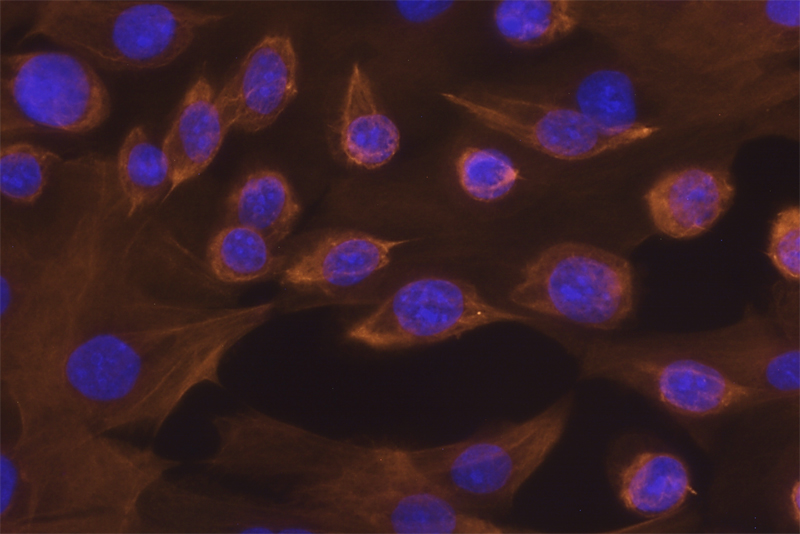
The project analyses which genes and signal transduction pathways are induced in nasal and bronchial epithelial cells when they are exposed to allergen sources. Two test systems are used: a bronchial epithelial cell line and primary cells from the nasal mucosa. Pollen from grasses, trees and weeds as well as house dust mites, animal hair and fungal spores are tested as allergen sources. Microarrays, real-time PCR analyses and ELISA experiments are used to investigate the effect of the different allergen sources on gene expression in epithelial cells at RNA and protein level. The aim is to better understand the pathomechanisms of the allergic reaction and to develop new strategies for the treatment of respiratory allergies.
former employee
Head of Research Center Molecular Biotechnology; Senior Lecturer
Radiographer; Senior Lecturer