
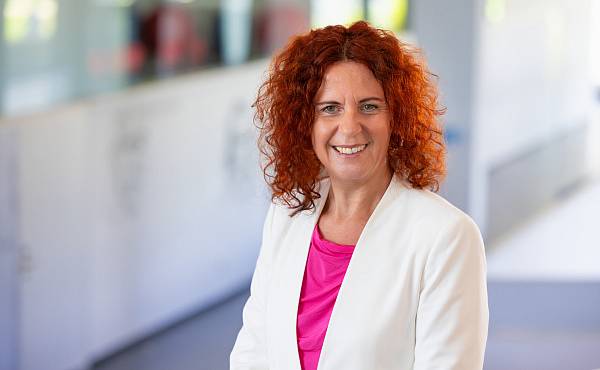
FH-Prof. Mag. Dr. Elisabeth Steiner
Head of Department; Head of Degree Program Spatial and Clinical Social Work
+43 1 606 68 77-3301
elisabeth.steiner@hcw.ac.at

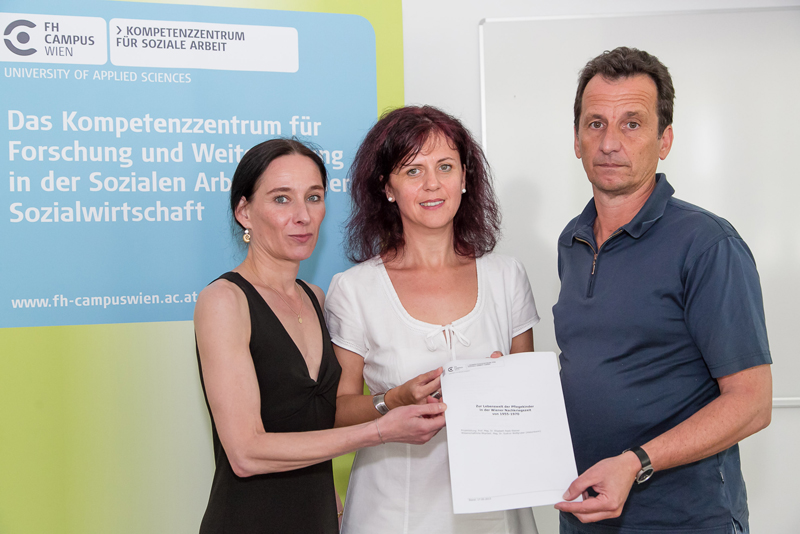
The study Lebenswelt der Pflegekinder in der Wiener Nachkriegszeit von 1955 bis 1970 was carried out on behalf of the City of Vienna (MA 11) as part of the historical reappraisal of the placement of children and young people in foster care. The aim was to portray the everyday experiences of children in individual care or in large foster families and to give the children a voice.
Duration: 1.10.2012 to 25.9.2013
It was discussed that foster children were often exploited and isolated as labourers and were exposed to psychological, physical and often sexual violence in almost all areas of everyday life. The care of the children was primarily focussed on the minimum needs of eating, sleeping and hygiene, and in the city also on schooling. Many of the former foster children were socially stigmatised and impaired in their psychosocial development. In addition to reduced educational and career opportunities, both psychological and physical impairments are lifelong consequences of being placed in foster care.
Head of Department; Head of Degree Program Spatial and Clinical Social Work
+43 1 606 68 77-3301
elisabeth.steiner@hcw.ac.at